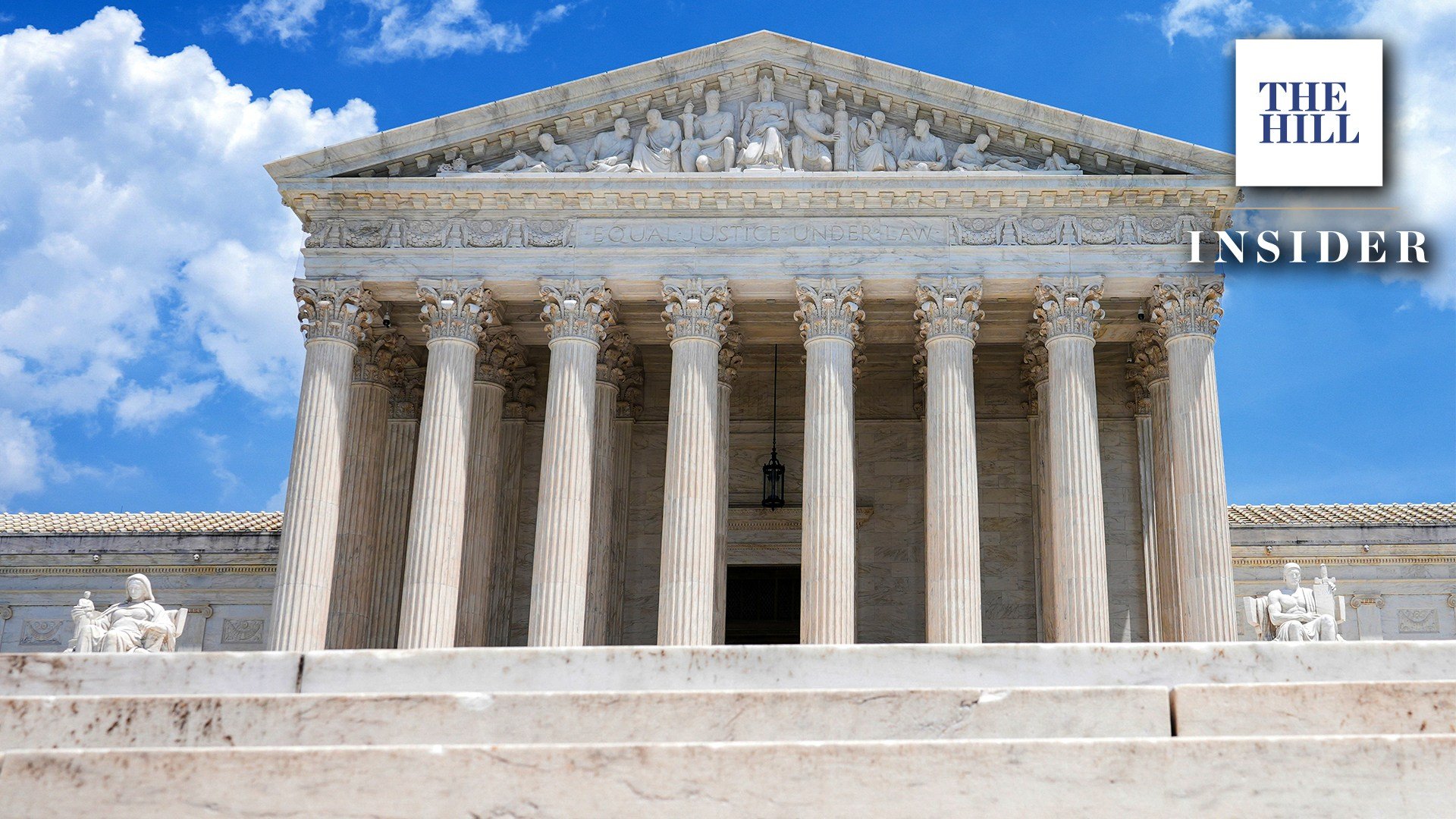
The Supreme Court kicked off its new term with a high-stakes hearing this week over whether Boulder, Colorado, can pursue billions of dollars in damages from major fossil fuel producers in state court for their role in climate change. The case, which has drawn intense scrutiny from environmental advocates and industry groups alike, left the justices wrestling with complex jurisdictional questions and no obvious resolution.
During oral arguments, the justices probed the arguments from both sides, with several expressing skepticism about the oil companies' bid to move the case to federal court. The companies contend that climate change is a global issue that belongs in federal jurisdiction, while Boulder and its supporters argue that state courts are the proper venue for claims of deceptive practices and consumer protection violations.

Justices Divided on Key Questions
The bench appeared split along familiar ideological lines, with conservative justices leaning toward the companies' position and liberal justices more sympathetic to Boulder's claims. Justice Samuel Alito, who has been in the spotlight recently for his book debut, pressed the city's lawyer on the scope of state authority in addressing climate-related harms. Meanwhile, Justice Elena Kagan questioned whether federal courts would be better equipped to handle the scientific and policy complexities involved.
Legal Affairs Editor Zach Schonfeld and Reporter Sophie Brams, who cover the intersection of courts and politics for The Gavel, were on the steps of the courthouse after the hearing to capture reactions from Boulder's legal team and conservative state leaders. Their live discussion, which took place at 3 p.m. EDT, delved into the potential implications of the ruling and the broader political stakes.
Alito's Book Launch Adds a Twist
Beyond the climate case, Schonfeld and Brams also touched on Justice Alito's recent book release, which has generated its own controversy. Unlike the more traditional launches by other justices, Alito's promotional efforts have been notably different, drawing attention to his role as the court's quiet conservative. The discussion highlighted how the book and the climate case are shaping public perception of the court's direction.
The outcome of the Boulder case could have far-reaching consequences for similar lawsuits filed by other municipalities and states against energy companies. A ruling in favor of the oil firms would likely push these cases into federal court, where they may face more stringent procedural hurdles. Conversely, a decision allowing the case to proceed in state court could open the floodgates for more climate-related litigation across the country.
As the justices deliberate, legal analysts are watching closely. The case touches on broader debates about climate adaptation and the role of the judiciary in addressing environmental harms, a topic that has been increasingly prominent in policy discussions. The court's decision, expected later this term, will be a landmark moment in the ongoing battle over who bears responsibility for climate change.
For now, both sides are cautiously optimistic. Boulder's lawyers expressed confidence in their arguments, while representatives for the fossil fuel industry emphasized the need for a uniform federal approach. With the court's term just beginning, this case promises to be one of the most closely watched of the session.