With just 30 days until the midterm elections, the race for control of the House has crystallized into a narrow but consequential battlefield. Analysts at the Cook Political Report currently identify 22 pure toss-up seats—six held by Democrats and sixteen by Republicans—and the overall majority likely hinges on just 43 districts. This compressed map underscores how a handful of suburban and swing districts will decide which party wields the gavel in January.
The Senate picture is even more constrained. Cook rates six Republican-held seats as toss-ups—Alaska, Iowa, Kansas, Maine, Ohio, and Texas—along with one Democratic seat in Michigan. New Hampshire leans Democratic, giving Democrats a plausible but steep path to a net gain of four seats, which they would need to flip the chamber. That means Democratic overperformance on election night is essential, not just a nice-to-have.

Trump's anchor drags down GOP
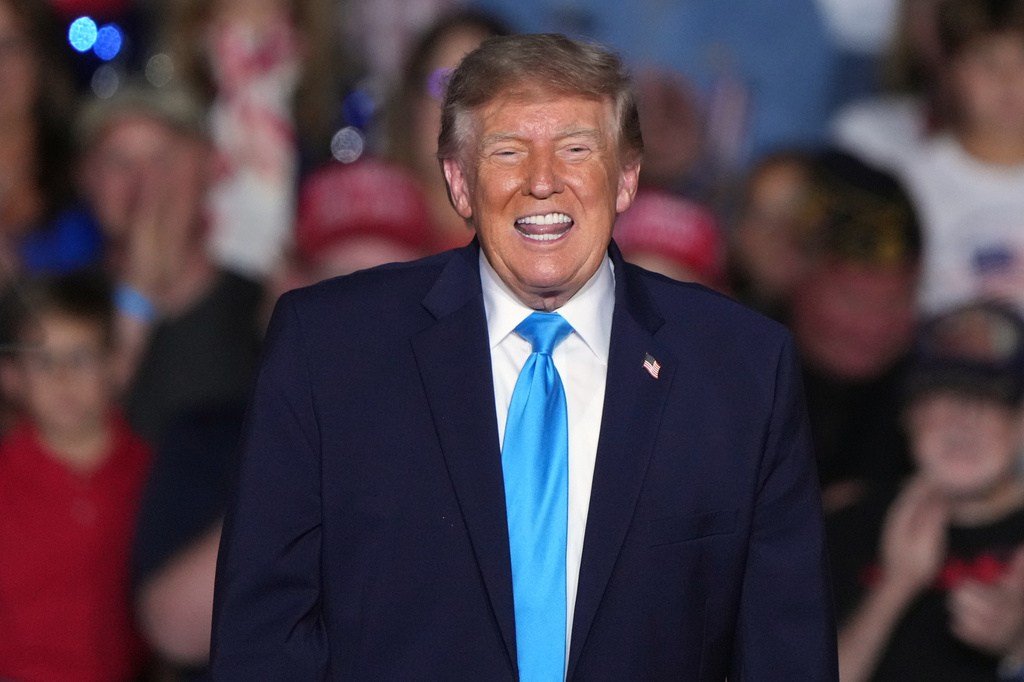
The erosion of Republican support in competitive districts is almost entirely tied to President Donald Trump. According to a Cook survey, his job approval in those districts sits at 42 percent approve versus 58 percent disapprove—a toxic split. Yet the generic ballot in those same districts shows Democrats leading by just two points (49-47). That margin may look narrow, but it represents a seven-point swing toward Democrats since last year, and Trump carried those districts by an average of five points in 2016. The shift is unmistakable.
Three voter groups are driving this environment. First, the Democratic base is exceptionally energized, with enthusiasm to vote against Trump Republicans described as "nuclear." Second, the Republican base is showing cracks: a Reuters/Ipsos survey found 73 percent of Republican voters approve of Trump, down about 13 points since January. While these voters are unlikely to back Democrats, some may simply stay home. Third, independent and swing voters—who historically punish perceived extremism and favor checks and balances—are leaning heavily against Trump, with his approval among them averaging in the high 20s to mid-30s. That combination makes it hard for GOP candidates to assemble a winning coalition.
Money may not be enough
Republicans do hold a financial edge. According to The New Republic, the GOP has spent or booked $454 million on House races compared to Democrats' $381 million. In the first three weeks of September, Republicans outspent Democrats by more than $100 million in the seven toss-up Senate races. The question is whether that cash can overcome the political headwinds. In districts decided by a few thousand votes, a robust ground game could make a difference. But for many voters, the election is already baked in.
History points to a Democratic wave
Midterms are historically a referendum on the sitting president and his party. Only three times since the Civil War—1934, 1998, and 2002—has the president's party gained House seats. That historical pattern, combined with the current environment, points to a strong Democratic advantage.
There are also wildcards: a late-breaking scandal, a foreign policy crisis, or a gaffe could shift the landscape. Recent developments, such as Trump's reversal on taxpayer-funded ads and Democratic outrage over his Iran remarks, could further complicate the GOP's path. Meanwhile, GOP leaders warn of impeachment if Democrats take the House, a message that may mobilize both bases.
As the final sprint begins, the fundamentals favor Democrats. The House is well within reach, and the Senate, while a longer shot, is not out of the question. The next 30 days will be anything but predictable.