Attorneys for a Texas death row inmate are racing to block his scheduled execution, citing the botched lethal injection of a Tennessee inmate last month and raising concerns about the quality of the drugs Texas plans to use.
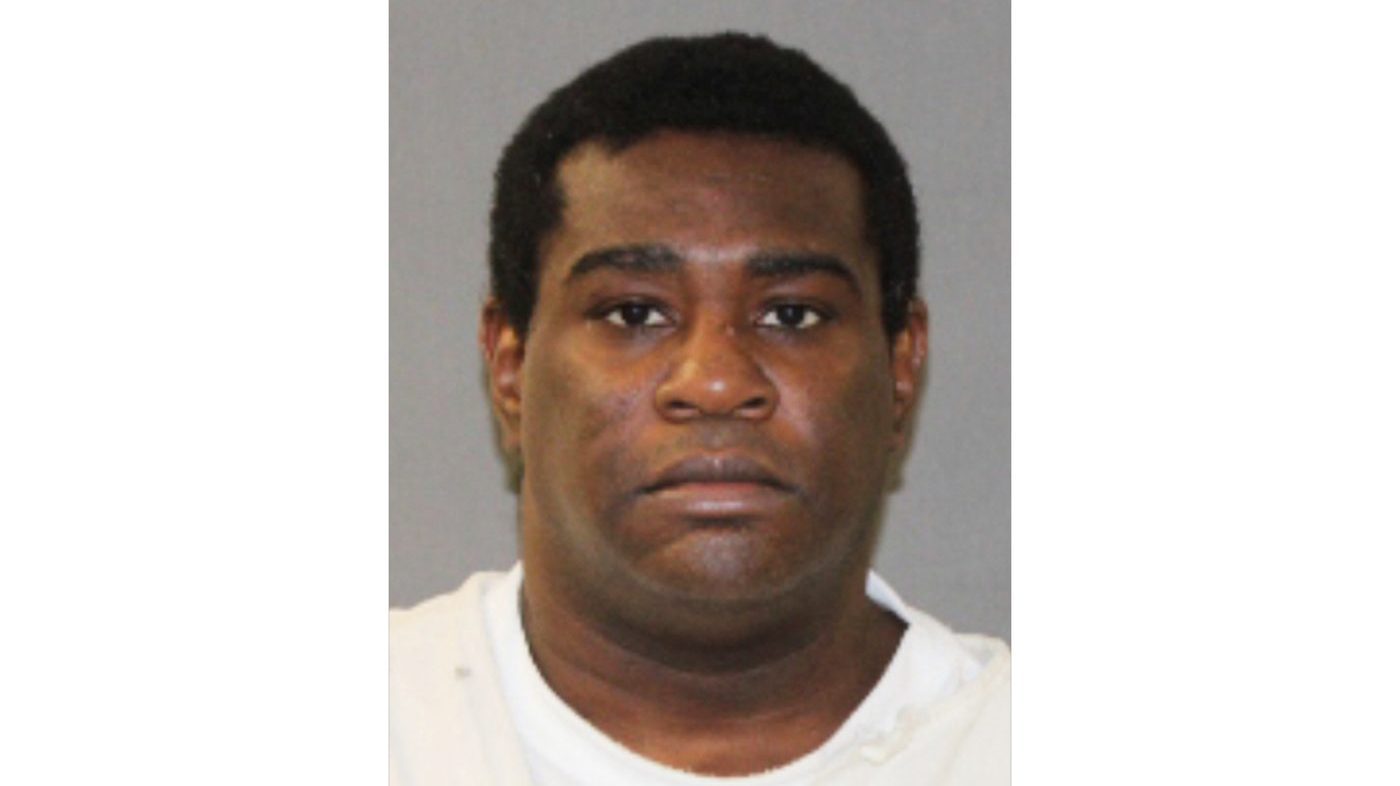
Jamaal Howard, 45, is set to die by lethal injection on Oct. 7 at 7 p.m. EDT at the state's Huntsville facility. If carried out, it would be the first execution in the U.S. since Tennessee's failed attempt to execute Christa Pike on Sept. 30. Pike, who survived two doses of pentobarbital and remains alive, was taken to a Nashville hospital. Her legal team said she suffered severe arm damage but was speaking afterward.
In an appeal filed with the Texas Court of Criminal Appeals, Howard's lawyers argue that the same drug—pentobarbital—used in Pike's botched execution may be compromised in Texas. They also allege that the state's supply of the drug has likely degraded over time, raising the risk of a similar failure. The appeal was first reported by the Associated Press.
Tennessee Gov. Bill Lee (R) has ordered a delay in Pike's execution until at least next year, citing the need for a full review. The incident has reignited scrutiny of lethal injection protocols nationwide, particularly the use of pentobarbital, a barbiturate that has been implicated in several problematic executions.
Howard was convicted of capital murder for the 2000 killing of Vickie Swartout, a store clerk in a robbery that netted $114 and cigarettes. The store is located about 100 miles north of Houston. He was 20 at the time.
His lawyers have also argued that Howard is intellectually disabled and therefore ineligible for the death penalty under the U.S. Supreme Court's 2002 ruling in Atkins v. Virginia. That decision barred executions of people with intellectual disabilities but left states to define the standards. In a prior appeal to the U.S. Supreme Court, his attorneys wrote: "No court has ever decided whether Howard is intellectually disabled under the clinical standards that govern today. Under those standards, his full-scale IQ of 74 and the sworn testimony from his 2001 trial describing his adaptive deficits at ages 20 and 21 make far more than the threshold showing required to have his claim heard."
The Supreme Court has also struck down rigid IQ cutoffs, as seen in a separate case invalidating Florida's method. Howard's case has drawn attention from death penalty opponents who point to the survival of Pike as evidence of the method's unreliability.
According to the Death Penalty Information Center, there have been at least 64 botched executions in the U.S. since 1982, with 10 occurring in Texas. The state has executed more inmates than any other, and its use of pentobarbital has faced repeated legal challenges.
Howard's execution date comes amid a politically charged atmosphere in Texas, where the Senate race has become a focal point for national attention. The case also highlights ongoing debates over the death penalty, mental disability, and the secrecy surrounding execution drug suppliers.
As of press time, the Texas Court of Criminal Appeals had not ruled on the latest appeal. Howard's lawyers have also asked the U.S. Supreme Court to intervene, though no decision has been announced. The state has not commented on the drug degradation claim.