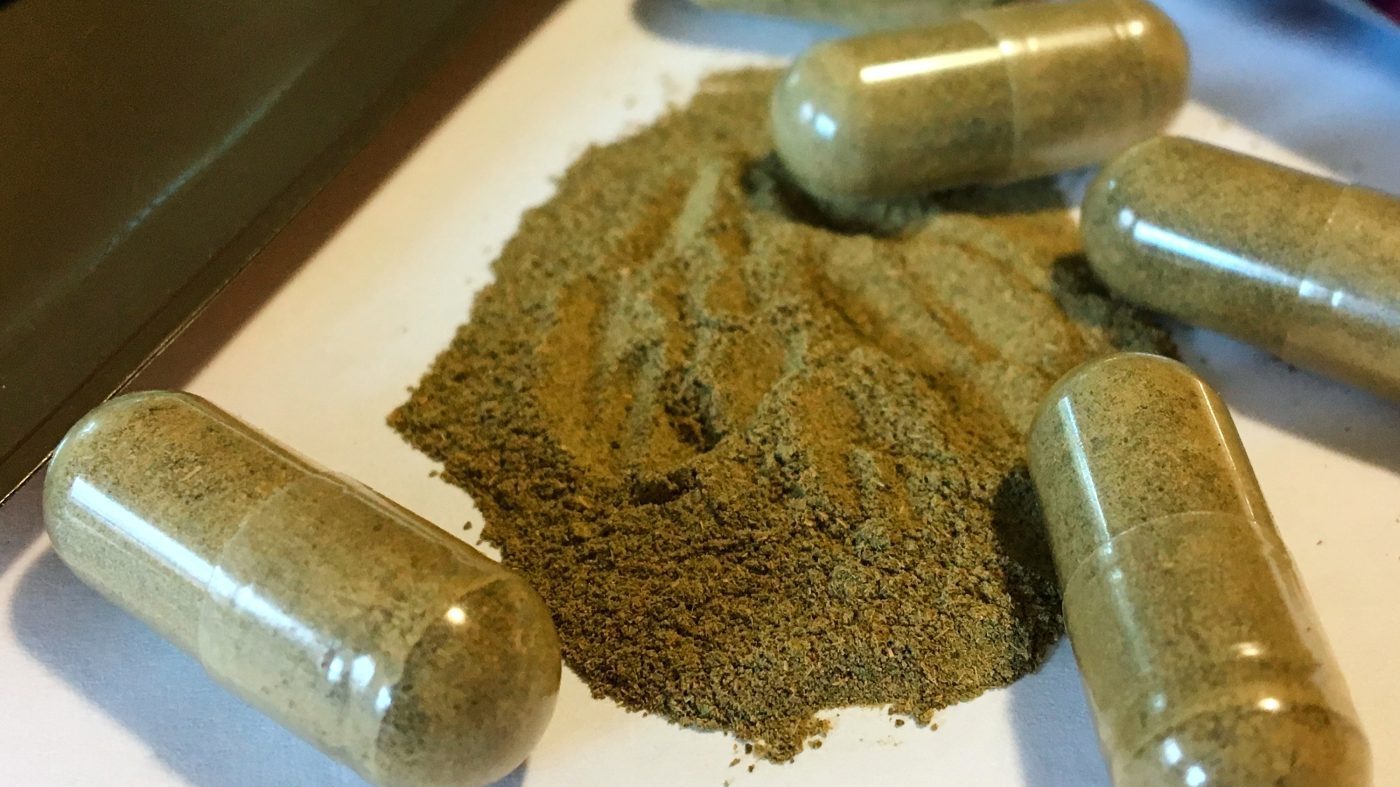
Lawmakers on Capitol Hill are intensifying pressure on the Trump administration to finalize a federal ban on synthetic kratom compounds, following the deaths of two University of Mississippi students and a sharp increase in kratom-related exposure reports.
Sen. Chuck Grassley (R-Iowa) on Friday called on the administration to complete the Drug Enforcement Administration's (DEA) proposed rule that would temporarily classify certain synthetic kratom products as Schedule I substances. Grassley, who has been a vocal critic of the industry, described kratom as "special interest snake oil" and argued it should not be sold at gas stations, vape shops, or anywhere else.
His remarks come after the Lafayette County Metro Narcotics team in Mississippi reported that the two students, freshman Aidan Hamilton and junior Robert Strang, were found dead in a dorm room with packaged kratom purchased from a retail store. The kratom contained 7-hydroxymitragynine (7-OH), methylphenidate, and MGM-15, according to court documents cited by CNN. Autopsy results are still pending, and officials have cautioned against speculation.
The Centers for Disease Control and Prevention reported in March that kratom-related exposure calls jumped by 1,200 percent between 2015 and 2025, although deaths directly linked to the plant remain rare.
What is kratom?
Kratom, scientifically known as Mitragyna speciosa, is a tropical tree native to Southeast Asia and belongs to the coffee family, according to the National Institute on Drug Abuse (NIDA). It produces opioid- and stimulant-like effects and is often used by individuals to manage withdrawal symptoms, chronic pain, anxiety, and depression. The plant contains two key compounds: mitragynine and 7-hydroxymitragynine (7-OH). While 7-OH occurs naturally in kratom, synthetic versions can be up to 13 times more potent than morphine, according to the Food and Drug Administration (FDA).
The FDA has not approved any medical use of kratom, and NIDA warns of side effects including dizziness, nausea, drowsiness, and constipation.
Lawmakers weigh in
Grassley's push is part of a broader Republican effort to rein in kratom. Sen. Pete Ricketts (R-Neb.) called the products "highly addictive and can be laced with even deadlier drugs." Rep. Andy Harris (R-Md.) wrote on X that kratom is "poison" being falsely marketed as a supplement, and demanded that the FDA and DEA act immediately.
On the Democratic side, Rep. Mike Levin (D-Calif.) has accused the administration of corruption over Homeland Security Secretary Markwayne Mullin's reported financial ties to the kratom industry. The New York Times obtained a disclosure showing Mullin had up to $1 million invested in Botanic Tonics, a kratom company. Levin noted that while a senator, Mullin urged the FDA to remove safety warnings about kratom from its website, and that after Mullin's nomination, the Justice Department dropped a lawsuit against the company. The Department of Homeland Security has said Mullin follows all ethics standards and has not lobbied for any company.
DEA's proposed rule
The DEA's proposed rule, published in July, would temporarily place synthetic kratom products containing more than 0.05 percent 7-OH by dry weight into Schedule I. The agency has also emergency-scheduled three synthetic compounds—MP, MGM-15, and MGM-16—that have been found in candies, tablets, and liquid shots marketed as kratom extracts. The rule would not affect botanical kratom products, which the DEA lists as a "drug of concern" but has not moved to ban.
If finalized, the rule would remain in effect for up to two years, with a possible extension if the DEA pursues permanent scheduling.
University of Mississippi officials have urged the public to avoid spreading unconfirmed information about the students' deaths. "We can all help by not repeating information that has not been officially confirmed," said Shawnboda Mead, vice chancellor for student affairs.
The proposed rule has not yet been finalized, but lawmakers are pressing for swift action. Grassley's office has said the administration should move quickly to close the regulatory gap that allows synthetic kratom to be sold legally in many states.