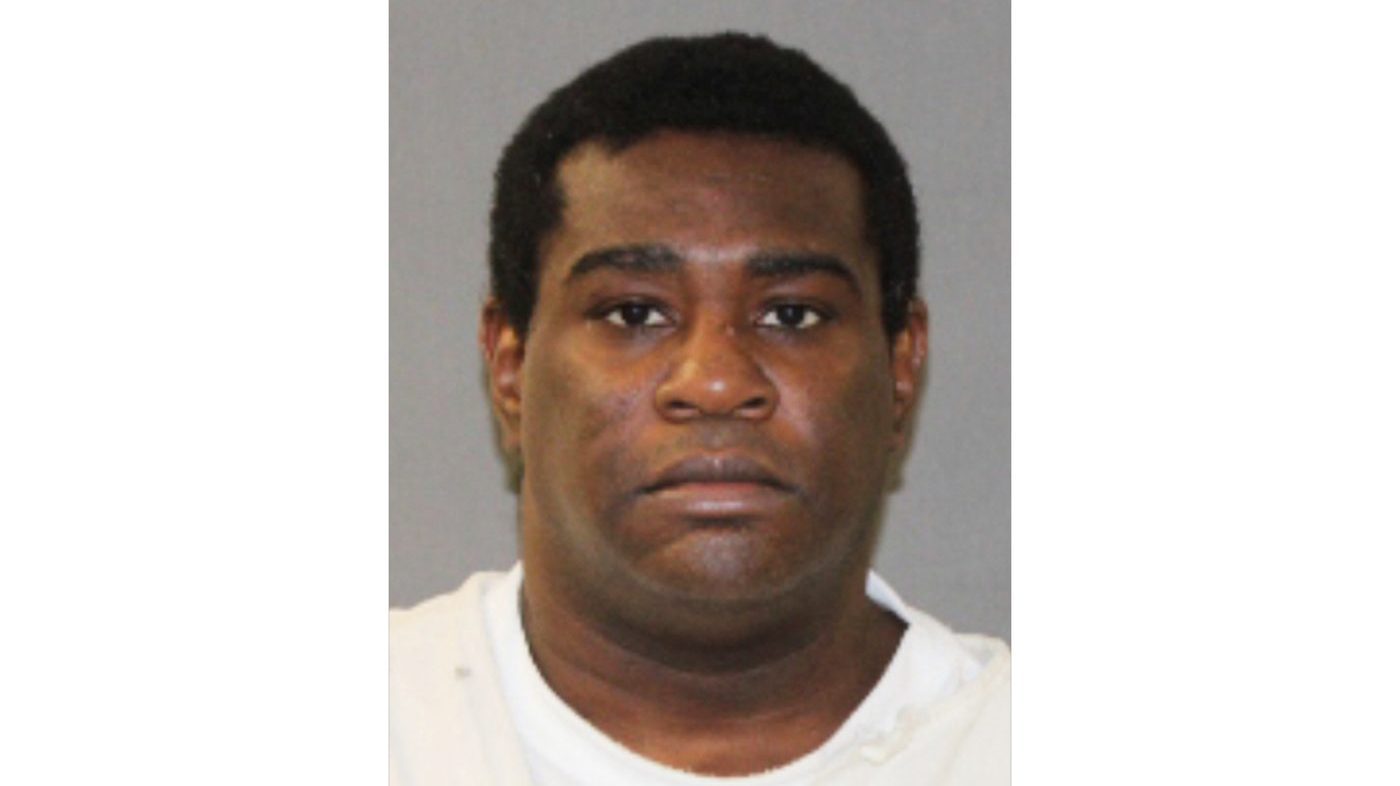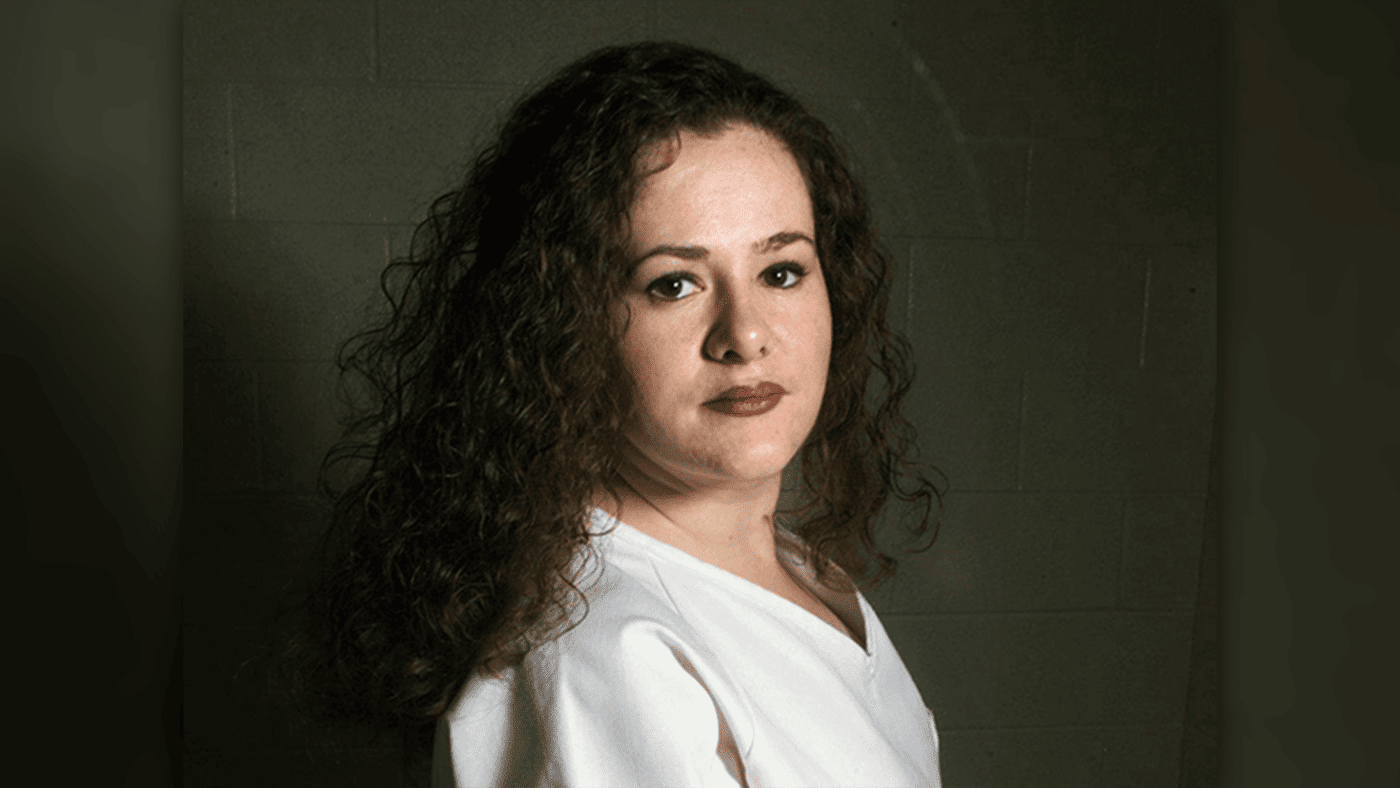
NASHVILLE, Tenn. — Christa Pike's defense team offered new details Wednesday about their client's condition after she unexpectedly regained consciousness following a botched execution attempt that left her temporarily declared brain-dead.
At a press conference, attorney Randy Spivey described Pike as “angry and confused” about her situation. He said her first words upon waking were, “Where am I, and who are you?” and that she has been asking about several people, including the family of her victim.
“She is very aware that the state tried to execute her,” Spivey said, though he cautioned that her memory of the events is still evolving.
Pike's legal team revealed that she likely has pneumonia and is unable to swallow, so she has not eaten. Both of her arms and hands are “tremendously swollen,” Spivey said, comparing them to a “blown up surgical glove.”
The attorneys stressed that they are not yet seeking the release of evidence but want it preserved so the public can learn what happened on Sept. 30. “Today's hearing was just the first step of many to preserve and enforce Christa's Constitutional rights after this unprecedented, botched execution,” Spivey said.
Court Orders Preservation of Evidence
Earlier in the day, a Nashville court held a status hearing on the preservation of evidence from the failed execution. Chancellor I'Ashea L. Myles ruled that her court retains jurisdiction and issued an order to preserve all potential evidence, including drugs, IV supplies, syringes, tubing, waste, photographs, handwritten notes, logs, witness accounts, and relevant emails and texts.
“In light of the evolving situation, the court will grant its own order, granting the motion to preserve relevant evidence,” Myles said. “Anything pertaining to the actual drug that was used needs to be maintained and preserved, as well as any supplies that would have come from the manufacture administering those products.”
Pike Remains Shackled to Hospital Bed
Pike's attorneys also said that despite medical staff requests, she remains handcuffed and shackled to her hospital bed. They had asked the judge to grant them access similar to what they had in prison. The state argued that the Tennessee Department of Correction is facilitating access, and the judge ordered that attorneys request visits two hours in advance, with wardens required to respond within that timeframe.
The court deferred a decision on whether Pike can use a tablet she had in prison. “The court will reserve ruling on the tablet for Ms. Pike while she is in a private hospital,” Myles said.
Lawyers Renew Call for Clemency
Following the hearing, Spivey reiterated the defense's call for Governor Bill Lee to commute Pike's death sentence. “We have to ask how much suffering is enough,” he said. “After all we have seen and all we still do not know, it is unimaginable that the state would try to execute her again.”
Pike was convicted of the 1995 murder of 19-year-old Colleen Slemmer in Knoxville. She would have been the first woman executed in Tennessee in over 200 years. This is the second time in 2026 that the state has failed to carry out an execution; in May, the execution of Tony Carruthers was called off after officials could not place an IV, and Lee granted a one-year reprieve.
The botched attempt has renewed scrutiny of Tennessee's lethal injection protocols, with questions emerging about the state's procedures. Spivey noted that Pike's survival is consistent with her history of resilience, citing her survival of child abuse, rape, and a suicide attempt at age 12.