A viral headline claiming that 89% of American seniors support higher taxes on younger workers to protect Social Security benefits has been circulating on social media, but it's not breaking news—the Cato Institute study behind it was published last December. Still, the outrage it has triggered is understandable, as it underscores a growing generational conflict over the future of the nation's entitlement programs.
The survey found a striking split: 53% of Americans under 30 say younger workers should be shielded from tax increases even if it means cutting benefits for current retirees, while 89% of those 65 and older prioritize protecting their own benefits, even at the cost of higher taxes on the young. This "you make, they take" dynamic has fueled accusations of generational theft, especially as older Americans hold a disproportionate share of the nation's wealth.

Critics argue that the system, designed nearly a century ago to prevent elderly poverty, now favors the richest generation in history. They point to policies like zoning laws that limit housing supply, driving up costs for younger families, and note that both parties compete to reduce taxes on seniors—such as eliminating property taxes for them—while young first-time homebuyers get no such relief.
Conservative voices join the fray
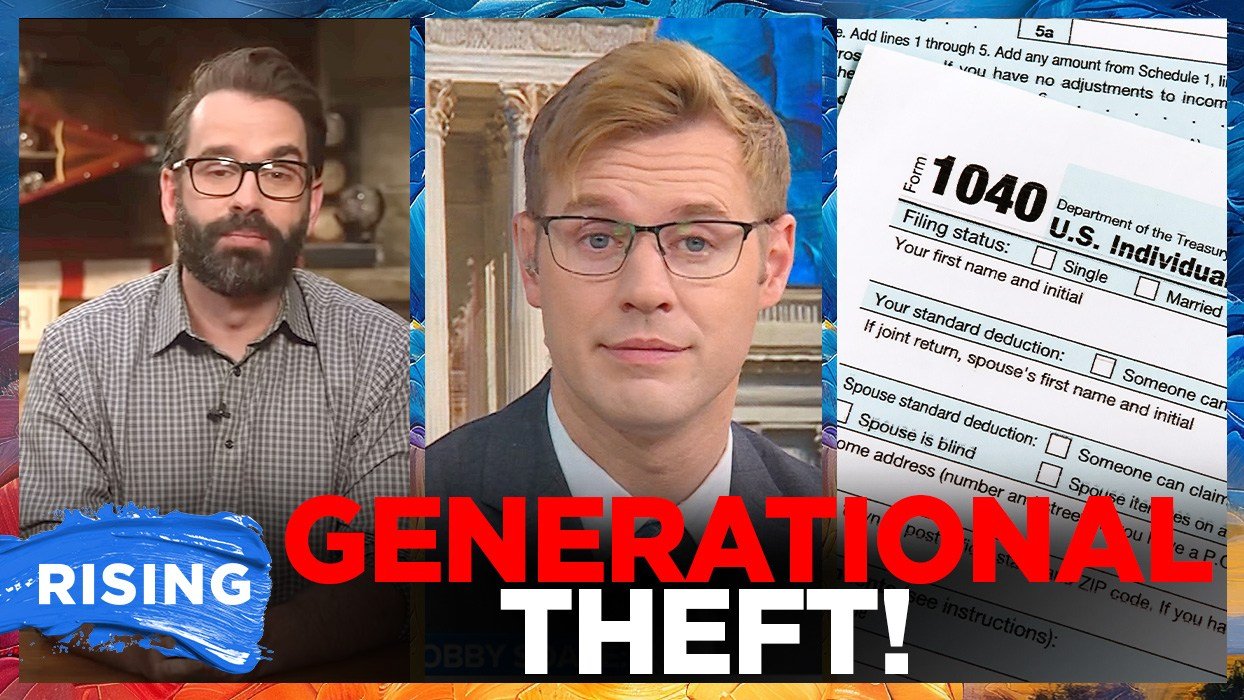
Some conservative commentators have echoed the frustration. Matt Walsh wrote on X that taking "huge chunks out of the paychecks of young working Americans" to fund retirements for wealthier seniors is "morally abhorrent and economically insane," criticizing elderly politicians and voters for ignoring the financial future of their grandchildren.
The math behind the debate
Maintaining full Social Security benefits would require raising the payroll tax from 12.4% to nearly 17%, according to Jessica Reidl of the Brookings Institution. Fully funding Medicare could add another 9 percentage points or necessitate a 25% VAT—all so that seniors can continue receiving more than they contributed, thanks to longer life expectancies.
This approach is widely seen as unsustainable, bankrupting the country and burdening future generations. The debate touches on broader questions of fairness, as polls show most voters believe the wealthy pay too little in taxes, and tax brackets are projected to shift in coming years.
As the political establishment remains wary of touching Social Security, the generational divide grows. Young workers face a system that may not be there for them, while seniors—protected by their political clout—demand more. It's a moral scandal, say critics, that sentences the next generation to indentured servitude.