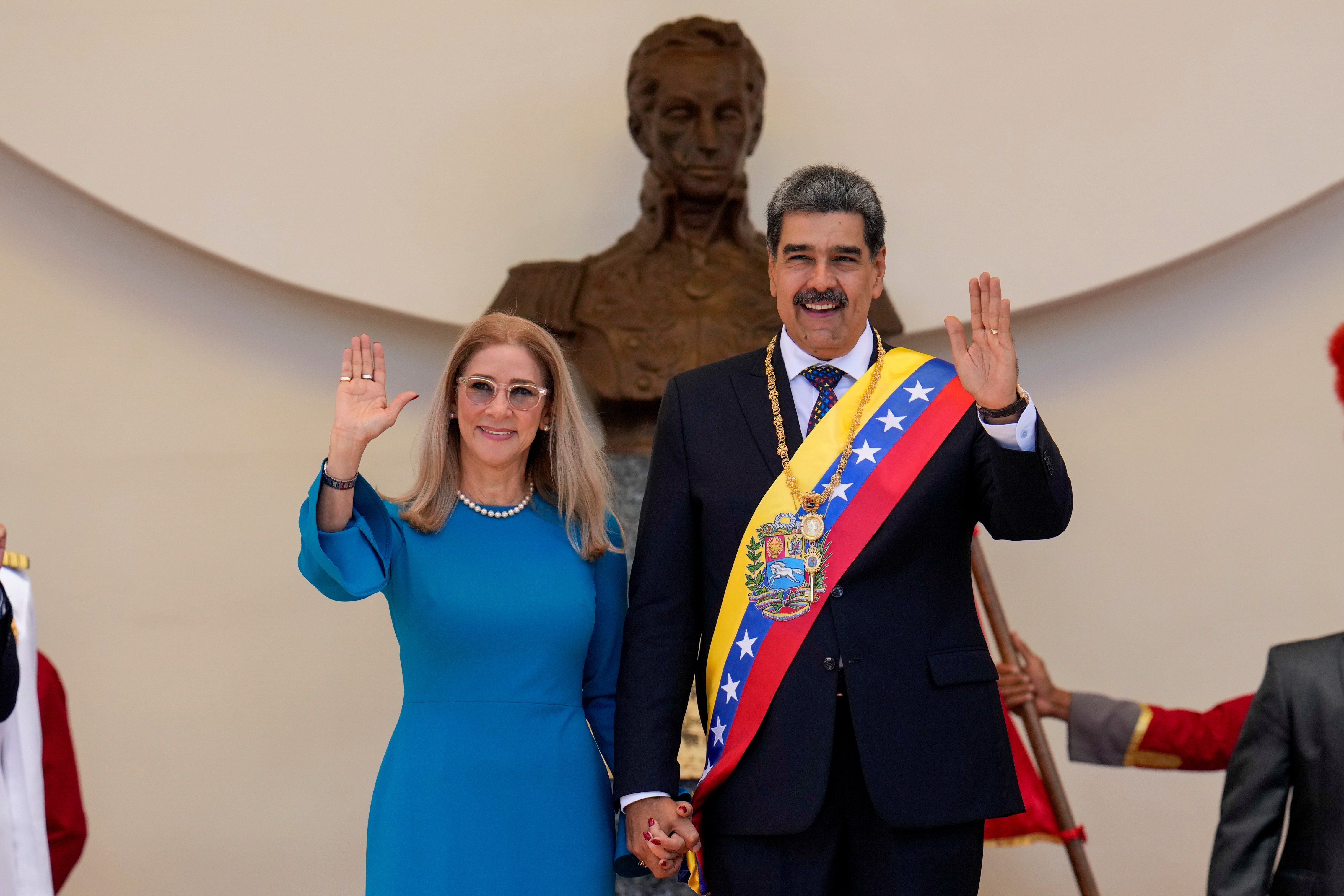
The Trump administration on Thursday unsealed a superseding indictment against ousted Venezuelan leader Nicolás Maduro and his wife, Cilia Flores, adding accusations that they orchestrated a systematic campaign of torture targeting Americans and other individuals.
The new charges, filed in federal court, allege that Maduro "presided over this system of repression and torture," while Flores "ordered that individuals be tortured to protect her family members' illegal activity." The indictment expands on earlier charges that accused the couple of narco-terrorism and cocaine trafficking.
Both Maduro and Flores have already pleaded not guilty to the prior charges, which were brought after U.S. forces captured Maduro during a raid on his residence and transported him to the United States. The latest indictment marks an escalation in the administration's legal campaign against the former leader, who has been a focal point of U.S. pressure over Venezuela's political and humanitarian crisis.
The torture allegations detail a pattern of abuse carried out by Venezuelan security forces under Maduro's direction, according to prosecutors. The indictment claims that victims—including U.S. citizens—were subjected to electric shocks, beatings, and psychological torment as part of a strategy to suppress dissent and protect the ruling circle's criminal enterprises.
Legal analysts note that the expanded charges could complicate any potential plea negotiations, as torture is considered a grave violation of international law. The case also carries political weight, coming as the administration faces scrutiny over its use of executive power in foreign affairs—a debate that has touched on other issues, including tariff authority and spending freezes.
The indictment does not specify when the alleged torture occurred, but it spans the period of Maduro's rule, during which U.S.-Venezuelan relations deteriorated sharply. Washington has recognized opposition leader Juan Guaidó as the country's legitimate president, though Maduro retained control of the military and state institutions until his removal.
Flores, a former first lady and influential political figure, is accused of using state security forces to target individuals who threatened her family's financial interests. Prosecutors allege that she personally directed specific acts of torture, though the indictment does not provide detailed accounts of those incidents.
The case is being handled by the U.S. Attorney's Office for the Southern District of New York, which has a history of prosecuting international drug trafficking and human rights abuses. A trial date has not yet been set, and the defense is expected to challenge the jurisdiction and the circumstances of Maduro's capture.
The development comes amid broader discussions about U.S. policy toward Venezuela, including sanctions and diplomatic efforts. Some lawmakers have praised the administration's tough stance, while others question the long-term strategy. The indictment also adds to the political discourse as the midterm elections approach, with voter enthusiasm varying across party lines—a trend highlighted in recent polling data.
Human rights organizations have welcomed the charges, saying they could provide a measure of accountability for victims. However, they caution that the U.S. legal system alone cannot address the full scope of abuses committed under Maduro's rule.
The case is expected to proceed through the courts, with both sides preparing for a lengthy legal battle. The administration's decision to add torture charges signals a determination to pursue the maximum penalty, which could include life imprisonment.