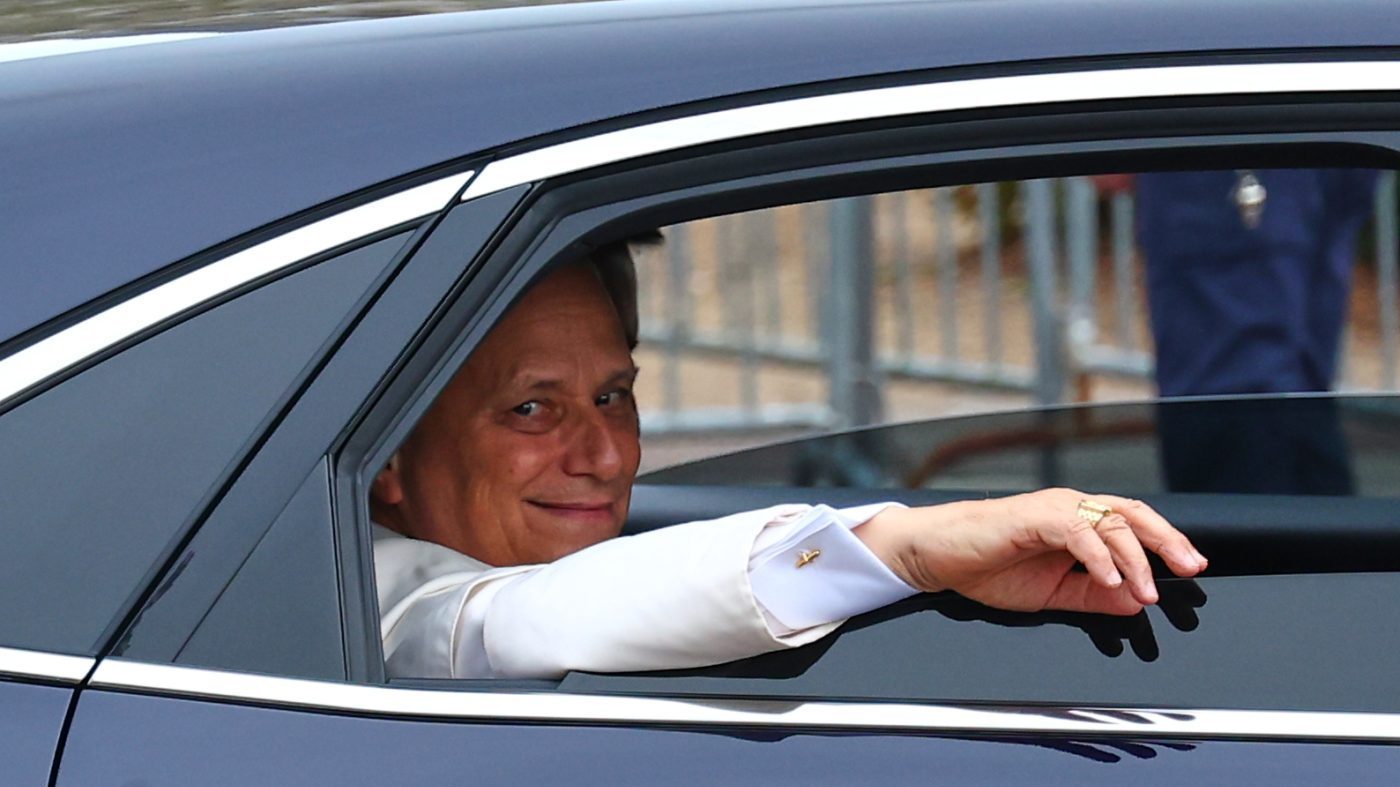
Pope Leo XIV is making steady progress after undergoing surgery to remove part of his right lung earlier this week, the Vatican said Thursday, as doctors confirmed the 71-year-old American pontiff has lung cancer.
In a statement from the Vatican press office, the pope's medical team said a routine chest X-ray on his third day in the hospital showed "good recovery of the lung that underwent surgery." The doctors added that Leo "carried out his daily activities independently" and completed a physiotherapy session that included a full range of physical activities. "Overall, his postoperative recovery is progressing normally," they said.

The surgery, performed Tuesday afternoon, removed what Leo had described as a "small, localized nodule" from his lung. Following the operation, doctors confirmed the nodule was lung adenocarcinoma, a common form of lung cancer, consistent with what preoperative examinations had suggested. The Vatican's announcement of the cancer diagnosis came shortly after the procedure.
The Vatican has not indicated any change to the previously announced one-week hospitalization. Leo, who is 71 and the first American pope, has remained engaged in his duties from his hospital room, according to the Holy See. His ability to carry out daily activities without assistance is a positive sign for a patient recovering from lung surgery, though full recovery can take weeks.
The pope's health has been a subject of intense interest since he was elected, and his diagnosis of lung cancer adds a new dimension to his papacy. Lung adenocarcinoma is the most common type of lung cancer in the United States and often arises in the outer regions of the lung. When caught early and localized, as appears to be the case here, surgical removal can be curative, though follow-up monitoring is typically required.
Before the surgery, the Vatican had announced that Leo would undergo the procedure to remove the nodule and that he would spend about a week in the hospital. The planned week-long recovery was disclosed in advance, and so far there has been no deviation from that timeline.
The pope's doctors have not provided further details about the stage of the cancer or whether additional treatment will be necessary. However, the optimistic tone of the Vatican's statements suggests that the surgery went well and that no immediate complications have arisen.
Leo's hospitalization has drawn prayers and well-wishes from Catholics and world leaders alike. The Vatican has not said when the pope might be discharged, but a return to the Vatican is expected once his medical team deems it safe. In the meantime, the pontiff continues to recover under the care of his doctors at Rome's Gemelli Hospital, where popes have traditionally received treatment.
NewsNation's Josie Fischels contributed to this report.