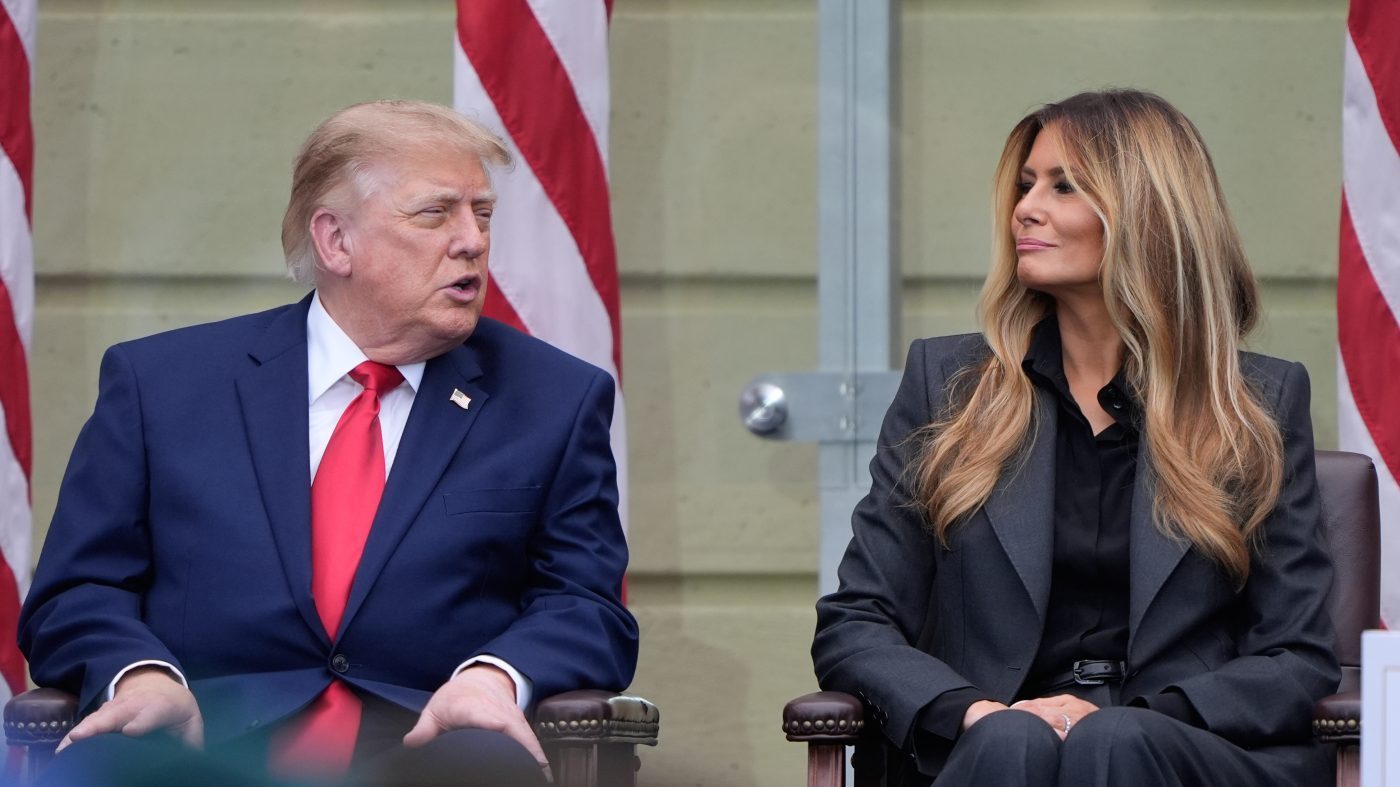
President Trump is expected to sign an executive order on Monday that establishes a new women's health initiative, with first lady Melania Trump taking a leading role. The order, first reported by USA Today, will create a dedicated Women's Health Division at the National Institutes of Health (NIH) and a White House Women's Health Task Force.
The announcement comes as the administration seeks to address long-standing gaps in women's health research and treatment. The initiative is built around five pillars that the first lady outlined on social media platform X: boosting research funding, leveraging artificial intelligence, accelerating patient access to treatments, improving affordability, and breaking the silence around women's health issues.
The Rose Garden ceremony is scheduled to begin at 11 a.m. EDT, with the president and first lady both expected to speak. The event underscores the administration's push to make women's health a policy priority, though critics have questioned whether the initiative will receive adequate funding and whether it can overcome political divisions.
The creation of a Women's Health Division at NIH is a significant structural move, signaling a more coordinated federal effort. The division would oversee research grants and coordinate studies across institutes, potentially reshaping how women's health conditions are studied and treated. The White House task force, meanwhile, is designed to align federal agencies and private stakeholders around the initiative's goals.
Melania Trump has been increasingly visible in policy advocacy, and this initiative marks one of her most substantial public engagements. Her focus on 'breaking the silence' is particularly aimed at reducing stigma around conditions like postpartum depression and menopause, which have historically been under-researched.
The executive order is part of a broader administration effort to highlight health care issues, even as Trump's approval ratings remain under pressure heading into the midterms. The initiative could also serve as a counterpoint to Democratic critiques that the administration has not done enough on health care.
However, the announcement comes amid ongoing controversies, including debates over Russia sanctions and other foreign policy disputes. The White House is likely to use the event to project a focus on domestic priorities.
Details on funding and implementation have not yet been released, but administration officials say the division will begin work immediately. The task force is expected to deliver its first recommendations within 90 days.
Reaction from lawmakers has been mixed. Some Republican senators praised the initiative as a necessary step, while Democrats have called for more concrete commitments, including mandatory funding levels and clear metrics for success. Advocacy groups have also expressed cautious optimism, urging the administration to consult with women's health experts and patients.
The event will be streamed live, and the full text of the executive order is expected to be released later today. As the initiative unfolds, its impact on research priorities and patient care will be closely watched by the medical community and policymakers alike.