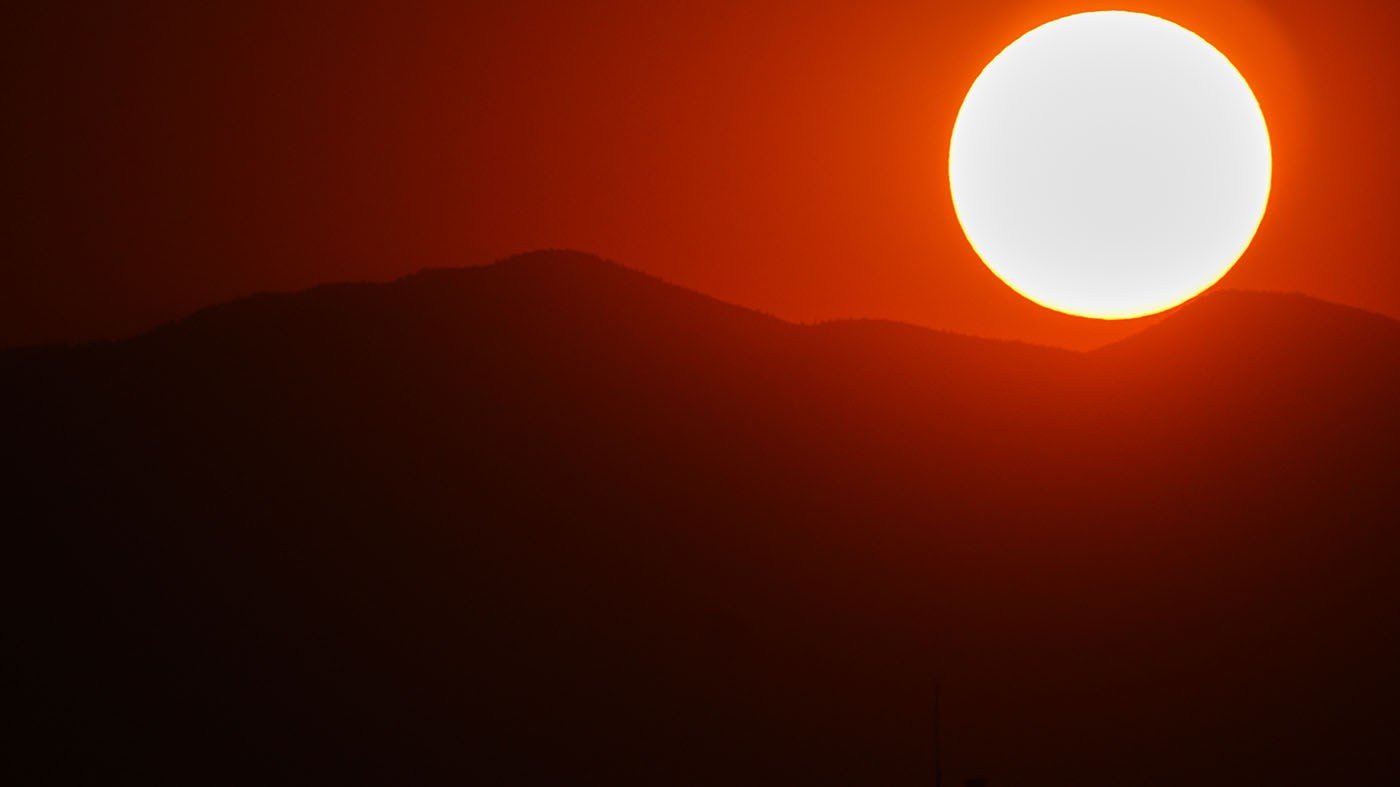
The National Oceanic and Atmospheric Administration (NOAA) announced Wednesday that the United States experienced its hottest meteorological summer on record this year, with average temperatures soaring to 74.4 degrees Fahrenheit—3 degrees above the historical average. August alone averaged 75.6 degrees, also a record for the agency's 132-year climate record.
According to NOAA's data, nearly the entire contiguous United States saw above-average to much-above-average heat in August, with only isolated pockets of the northern Plains and Midwest registering near-normal conditions. Record-breaking warmth was particularly pronounced across the West, Southwest, southern Rockies, southwestern Plains, and southern Florida.

New state records were set in New Mexico, Utah, and Colorado, while Arizona tied its previous high. Daytime maximum temperatures across the country averaged 88.6 degrees, the warmest ever recorded. Alaska and Hawaii also experienced their third-hottest summers on record, with average temperatures of 52.4 and 70.8 degrees, respectively.
The heat has exacerbated drought conditions. As of September 1, the U.S. Drought Monitor reported that 59.1 percent of the lower 48 states and Washington, D.C., were in drought—a jump of 10.5 percentage points since early August. Severe dryness has expanded across the Southwest, Northwest, Rockies, and Great Basin, with intensification in the northern Plains, Upper Midwest, southern Plains, lower Mississippi Valley, and the deep South. Puerto Rico is also suffering, with over three-quarters of the island in drought and more than 40 percent in extreme drought.
Looking ahead, NOAA expects above-average temperatures to persist across much of the country through September, particularly in the southern and central Plains. The West, Alaska, the Northeast, and southern Florida are likely to see above-average precipitation, but drought is expected to "persist and expand further," potentially affecting Puerto Rico. Some improvement is anticipated in the Northwest and areas from the Southwest to the central Rockies.
The agency also warns of "significant" wildfire potential in the Northwest, northern Great Basin, parts of the Upper Midwest, much of the Southern Plains and lower Mississippi Valley, and portions of southern Florida and Puerto Rico.
The announcement comes amid ongoing turmoil at NOAA and the National Weather Service (NWS). Since President Trump returned to the White House, both agencies have faced drastic staff cuts. The administration has targeted NOAA's climate research and the Office of Oceanic and Atmospheric Research, with a leaked document from last year indicating plans to eliminate the office and slash 74 percent of its funding. For fiscal 2026, the administration proposed zeroing out NOAA's climate research budget entirely.
These changes have raised concerns among forecasters. Tom Fahy, legislative director for the National Weather Service Employees Organization, previously told The Hill that the reorganization and forecasting adjustments will affect how NWS personnel respond to extreme weather events. As the country grapples with the realities of a warming climate, the ability of federal agencies to track and communicate these trends remains a critical political and policy issue.