Six decades after the Animal Welfare Act became law, the promise of federal protection for dogs in commercial breeding facilities remains unfulfilled. The USDA, tasked with licensing and inspecting these operations, has repeatedly failed to act on documented abuse, leaving animals to suffer for years before any intervention—and often, it's local authorities who step in, not the feds.
A Pattern of Neglect
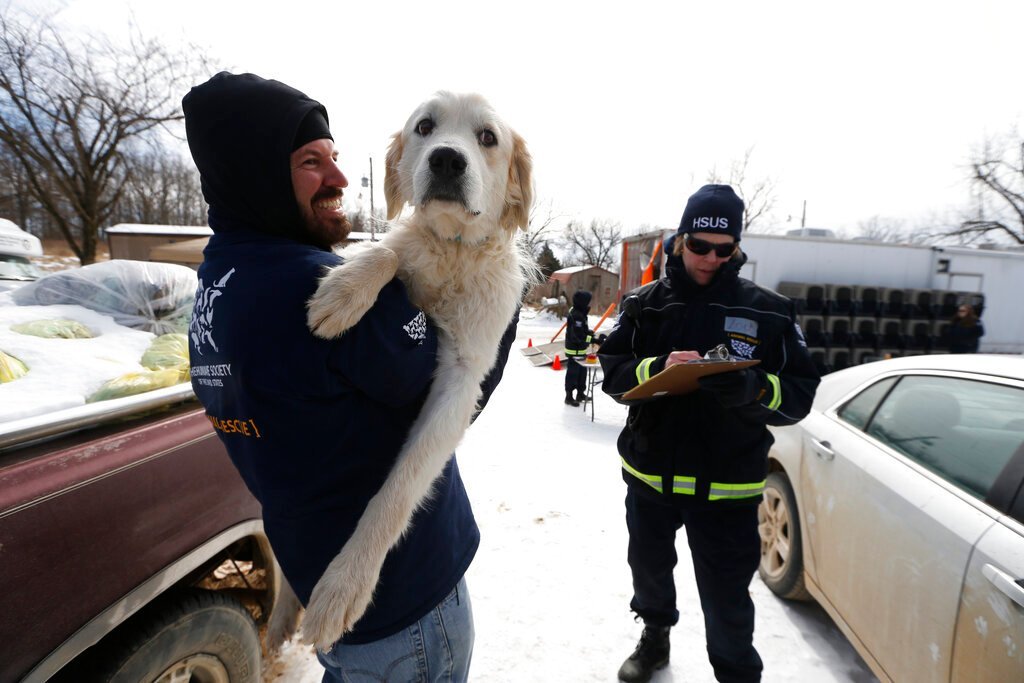
The recent rescue of dozens of dogs from an Iowa puppy mill illustrates the systemic breakdown. The USDA licensed breeder Wuanita Swedlund in 2021, and over the next three years, inspectors documented untreated illnesses, painful injuries, and deaths at her facility. Yet the agency took no enforcement action—no fines, no license revocation, no removal of animals. Swedlund evaded inspections for over a year, and when officials finally entered, they found emaciated dogs in filthy cages. It took local law enforcement to remove 30 animals and the county to file 34 neglect charges.
This isn't an isolated incident. In 2022, thousands of dogs were pulled from Envigo, a federal licensee in Virginia, after years of USDA-documented abuse, including euthanizing dogs without anesthesia. In 2021, Iowa breeder Daniel Gingerich kept his license for two years despite more than 100 violations and a dog dying during an inspection. And Ridglan Farms, a Wisconsin facility, faced 494 state violations in one year but only four federal citations over a decade.
Why the USDA Fails
The USDA's approach has been to 'educate' violators rather than enforce the law. An ASPCA report found that in 2023 alone, licensed dealers racked up 680 documented failures to meet minimum care standards—yet no one lost their license. The agency has the authority to revoke licenses, remove animals, and levy fines, but it rarely uses them.
This leniency has real consequences. Dogs endure years of suffering while the agency that's supposed to protect them looks the other way. The federal government's responsibility is to act before conditions become horrific, not after. Instead, it allows violations to pile up, forcing under-resourced local shelters and rescues to clean up the mess.
Congress Must Act
Lawmakers are now considering the bipartisan Goldie's Act, which would mandate meaningful inspections, require the USDA to address every violation, and empower the agency to intervene when animals are in distress. The bill aims to close the gap between the law's intent and its implementation.
Sixty years on, the Animal Welfare Act's promise remains broken. Passing Goldie's Act is a chance for Congress to finally deliver on that promise and ensure dogs in commercial breeding facilities receive the protection they're owed. As the recent loss of a beloved presidential pet reminds us, dogs hold a special place in American life—they deserve better than this.