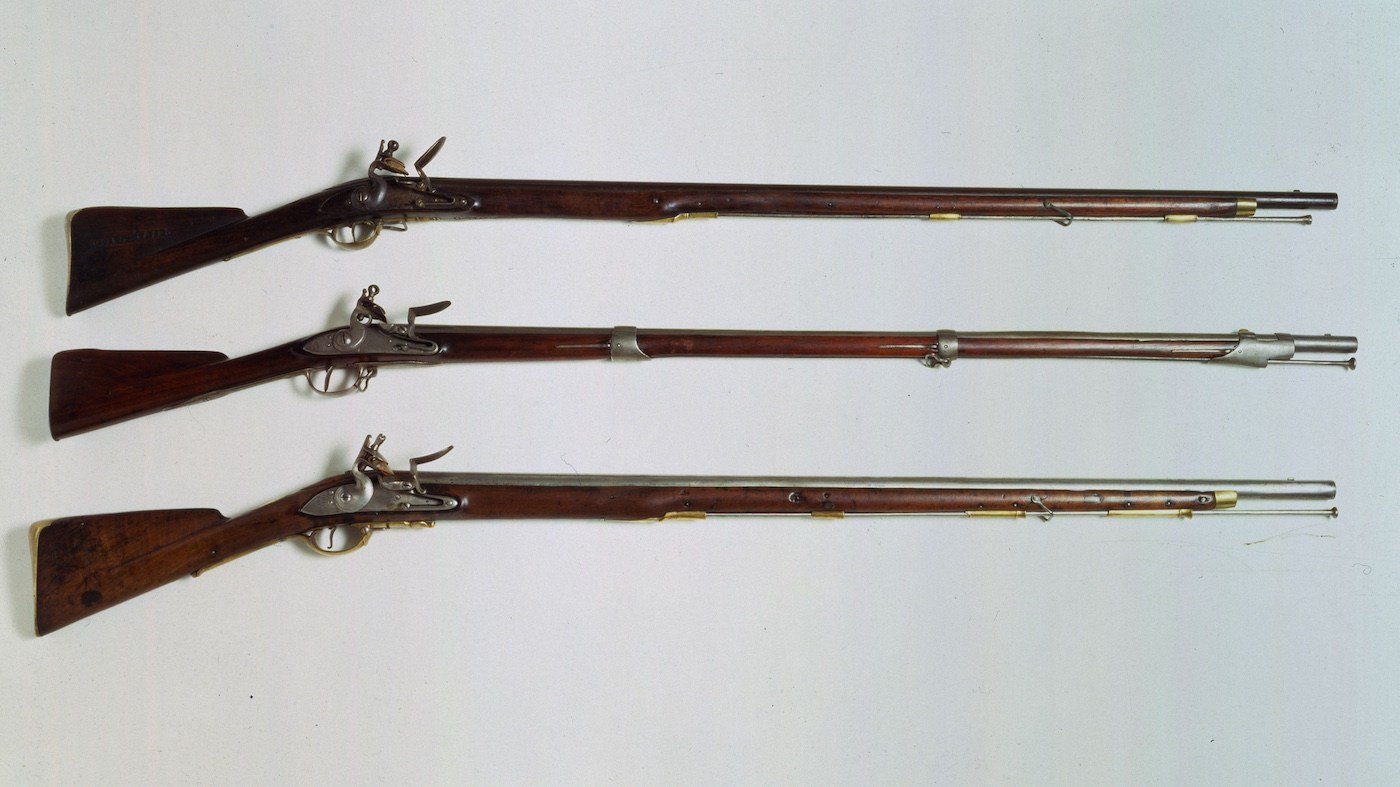
As Idahoans cast their ballots for Congress, governor, and state constitutional amendments, they are also weighing in on a more symbolic matter: selecting the state's first official firearm. The advisory question, placed on the ballot by the state legislature to commemorate the nation's 250th anniversary, offers six choices—four long guns and two pistols—ranging from Winchester and Colt models to the M1 Garand and a Remington.
The outcome is non-binding, but lawmakers could later codify the voters' pick into law. Idaho House Majority Leader Jason Monks (R), who helped shape the list, said the selection process focused on historical significance rather than modern popularity. "I like the term 'iconic,'" Monks told the Idaho Statesman. "I thought a little bit more historical than necessarily what's popular today."
The ballot measure stems from a legislative bill that framed firearms as deeply woven into American and Idaho history, from Revolutionary War militias to pioneers relying on rifles for sustenance. The legislation also invokes the Second Amendment, calling the right to keep and bear arms "a safeguard against tyranny and for personal security."
Beyond historical resonance, the bill notes that firearms underpin Idaho's hunting and recreational shooting industries, and that the state has "built a strong tradition of responsible gun ownership while having one of the highest per-capita gun ownership rates in the nation."
The non-binding nature of the question has drawn criticism, but Monks defended the exercise, emphasizing firearms' foundational role in the country's creation. "Obviously, without guns, there would be no America," he told the Statesman. "We'd still be a British colony."
The vote comes amid a broader political landscape where Idaho's GOP incumbents face challengers in House races and Governor Brad Little seeks a third term. While the firearm question is purely advisory, it underscores the cultural and political weight of gun rights in the state, a theme that resonates in other races as well.
Monks also noted that lawmakers are not bound by the voters' choice, leaving room for future legislative action regardless of the outcome. The state's selection process has sparked interest beyond Idaho, as it touches on broader debates over gun symbolism and Second Amendment advocacy.
As with many ballot measures, voters can skip this race if they choose, and voter ID requirements vary by state, but Idaho's decision will be closely watched by gun enthusiasts and historians alike.