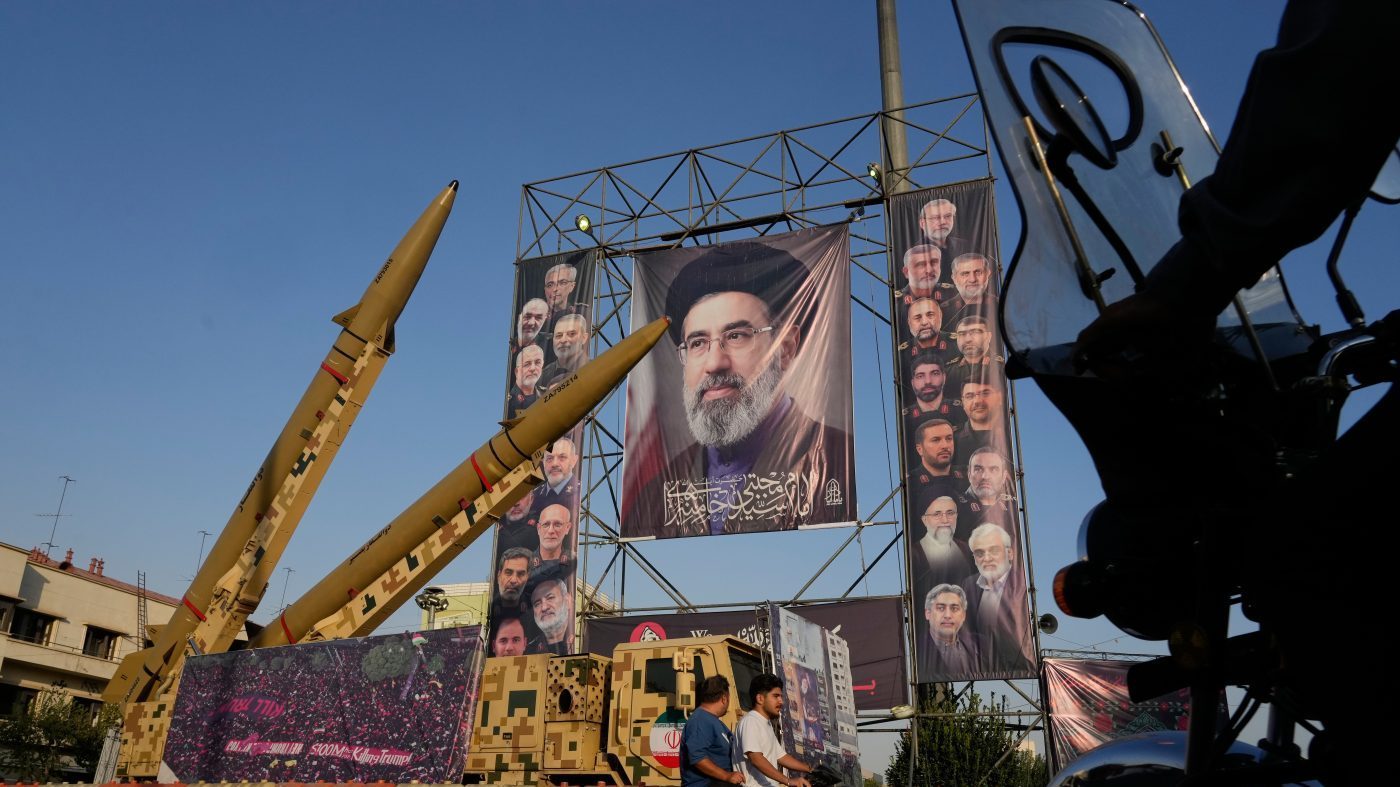
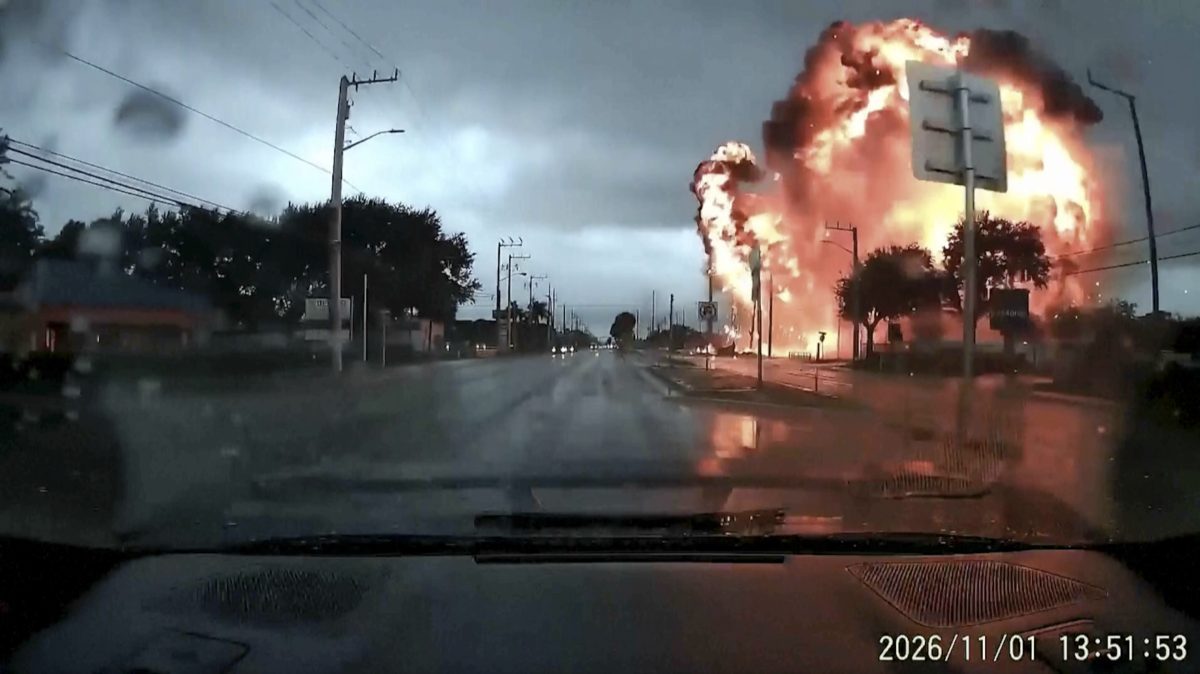
The U.S. military conducted a strike on Monday against Iranian radar detectors and missile launchers located on Qeshm Island, a strategic island in the Strait of Hormuz. The operation, described as defensive in nature, comes just one day before the U.S. midterm elections and as regional mediators continue efforts to broker a peace deal between Washington and Tehran.
A U.S. official told NewsNation, The Hill's sister network, that the attack was a direct response to Iranian actions. "This was a defensive measure for Iranians using surface-to-air missiles against U.S. assets," the official said, indicating that the strike was aimed at protecting American forces and equipment in the region.
The U.S. Central Command (CENTCOM), which oversees American military operations in the Middle East, did not immediately respond to requests for comment. The strike is part of a broader pattern of U.S. military actions against Iranian targets in recent weeks, with Qeshm Island having been previously targeted due to its naval base and underground missile facilities.
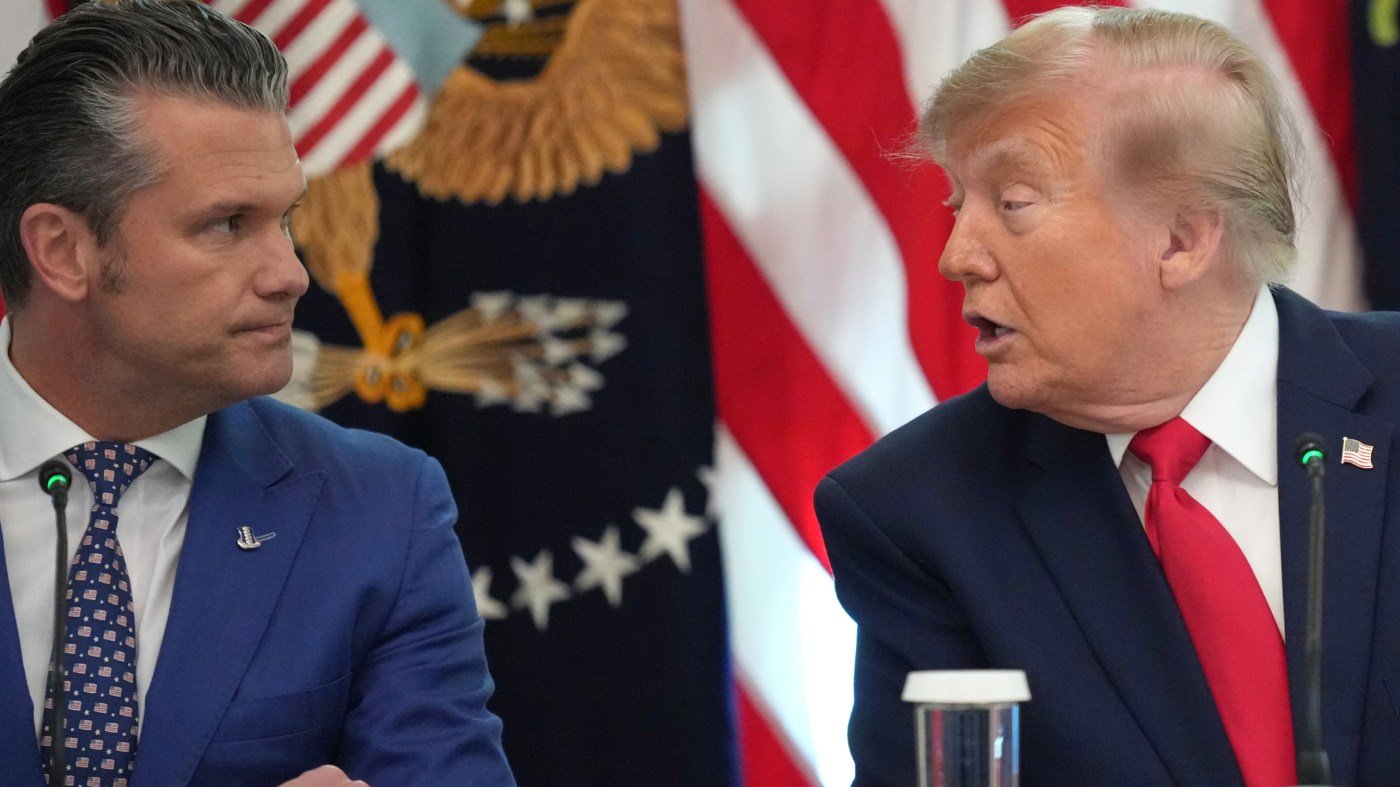
The timing of the strike, just ahead of the midterm elections, adds a political dimension to the military action. President Trump has repeatedly stated that the conflict with Iran would be resolved soon after the elections, hinting at the possibility of major combat operations. However, Iranian officials have placed the onus on the Trump administration to determine the next steps. "The ball is in the U.S. court, because our demands have been stated very clearly and transparently, and Iran's demands are reasonable and logical," said Esmaeil Baqaei, Iran's foreign ministry spokesperson, during a press briefing on Monday.
Diplomatic efforts are being led by Qatar, with backing from Egypt, Saudi Arabia, Pakistan, and Turkey, aimed at bringing both sides back to the negotiating table. Despite these efforts, CENTCOM has prepared multiple strike options against Iran, including targeting infrastructure and military sites, should the White House authorize further action.
President Trump downplayed the severity of the conflict, telling reporters on Monday, "We had a war with Iran. We won. I don't know if you even call it a war because we haven't been doing any fighting for months." His comments come amid midterms set to reshape Congress, with the political landscape potentially shifting after the elections.
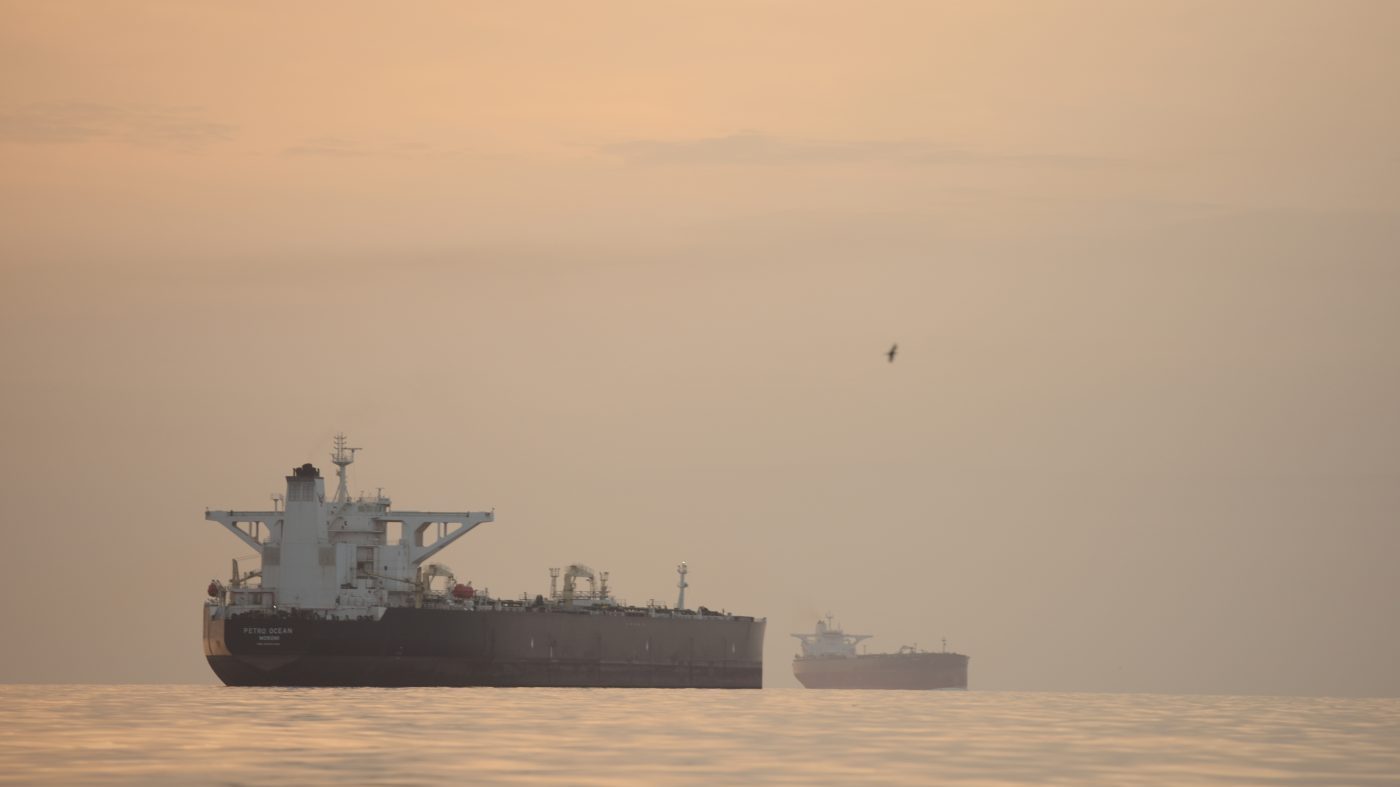
The strike on Qeshm Island underscores the fragile situation in the Strait of Hormuz, a critical waterway for global oil shipments. Iran has previously threatened to close the strait, linking its reopening to sanctions relief, as reported in Iran's ties to sanctions relief. The U.S. military's continued presence and operations in the region highlight the ongoing tensions that could escalate depending on post-election decisions.
As the midterms approach, the administration's handling of Iran will likely be a point of discussion. The president's rhetoric and military actions are being closely watched, with some analysts suggesting that a major operation could be launched after the elections if diplomatic efforts fail. Meanwhile, the tumultuous eve of midterms has been marked by rallies and political maneuvering, with the Iran situation adding an international dimension to the domestic electoral contest.