Iran has signaled it is prepared to reopen the Strait of Hormuz—a critical chokepoint for global oil shipments—but only if Washington agrees to lift sanctions and unfreeze billions of dollars in Iranian assets, according to comments from Tehran's foreign ministry on Monday.
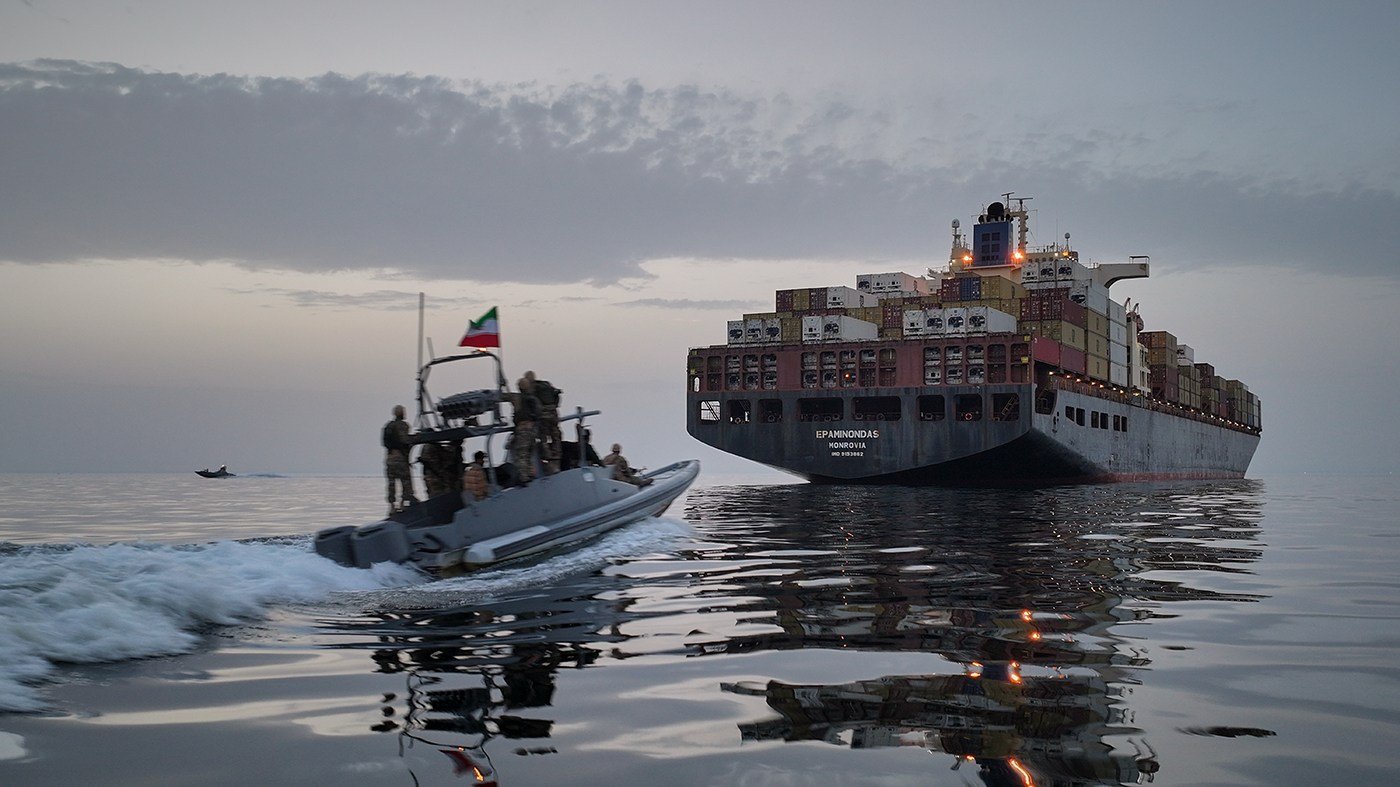
The offer, which Iranian officials have consistently raised throughout the standoff, comes as President Donald Trump has increasingly hinted he could authorize major combat operations against Iran after the November midterm elections. The Strait of Hormuz has been effectively closed since late February, when US and Israeli airstrikes targeted Iranian military sites, sending energy prices soaring.
“If Iran’s legitimate demands are accepted and implemented, it would be possible to put the entire plan into operation within two days, restore security to the Strait of Hormuz and initiate the negotiation process,” foreign ministry spokesperson Esmaeil Baqaei told reporters, according to multiple outlets. He added that “the realization of this depends entirely on Washington’s will and decision.”
Washington is unlikely to accept the conditions, which would require a significant reversal of its maximum-pressure campaign against Tehran. The demands include the removal of economic sanctions and the return of frozen Iranian funds held abroad—steps the Trump administration has long rejected.
Trump, speaking at a rally in Iowa on Saturday, reiterated his willingness to use force. “The only reason why I’m not finished with Iran is I want to be nice. I want to try and save all those lives if I can,” he said. “But at some point we’re going to have to give them the hammer.”
The comments from Baqaei follow a recent diplomatic push by Qatar, which has been mediating between the two sides. An Iranian delegation traveled to Doha in an effort to revive talks and prevent another round of military conflict. Vice President JD Vance sent a letter to Iranian security official Moshen Rezaei via Qatari intermediaries last week, a move that Iran’s Foreign Minister Abbas Araghchi described as a “positive step” in a recent interview.
“If Washington’s goal in sending this letter is to stir up discord, it would be yet another mistake to add to its previous ones,” Araghchi told Al-Jazeera on Saturday. His remarks suggest Tehran remains wary of US intentions even as it engages in backchannel diplomacy.
The Strait of Hormuz is the world’s most important oil transit route, with roughly 20 percent of global petroleum supplies passing through it daily. Its closure has already driven up energy costs and heightened tensions across the Middle East. Any prolonged shutdown could further destabilize global markets and complicate US military planning.
As the midterms approach, Trump’s threats of military action may be aimed at projecting strength to his base. But the administration’s simultaneous diplomatic outreach through Qatar indicates a desire to keep channels open—at least for now. Whether Iran’s latest offer leads to a breakthrough or becomes another missed opportunity remains uncertain, but the stakes for global energy security and regional stability could hardly be higher.