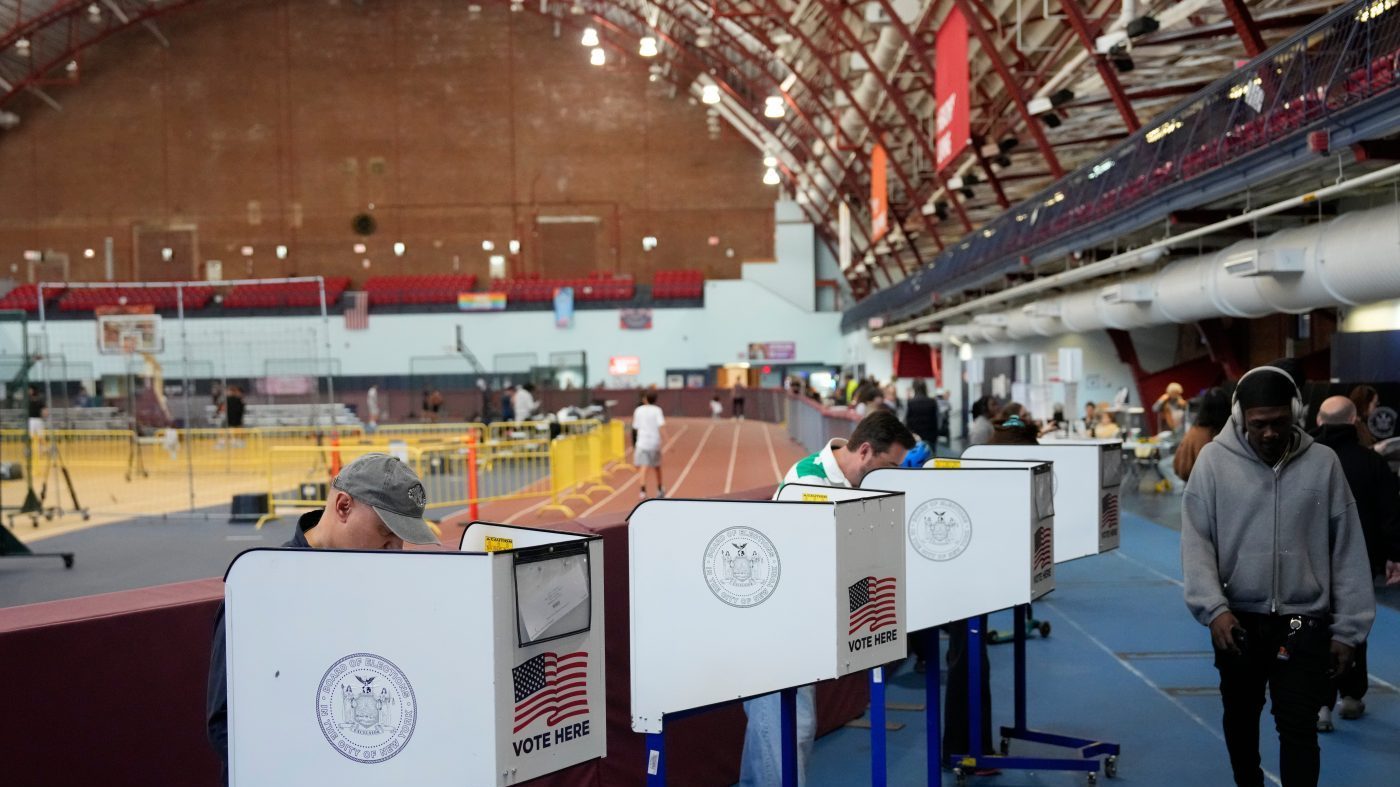
The Justice Department announced Tuesday that it will deploy approximately 1,000 election monitors and observers to all 50 states on Election Day, marking the largest monitoring effort in the department's history and the first time such coverage has extended to every state.
In a press release, the department said the move underscores its commitment to election integrity. Harmeet Dhillon, assistant attorney general for the Civil Rights Division, stated, "Election integrity has been one of the top priorities for this Administration and this Division. I am very proud we are deploying the largest monitoring effort in DOJ history, and pursuing transparency for elections in an assertive and nondiscriminatory manner."
The announcement drew immediate backlash from Democratic officials, including Los Angeles Mayor Karen Bass, whose county is among those targeted for monitoring. Bass called the plan "a baseless and dangerous attack from the Department of Justice on how states run their own elections and an attempt to intimidate voters into staying home."
Attorney General Todd Blanche defended the initiative last month, emphasizing that the monitors are not partisan. "They're not going to Republican states, they're not going to Democrat states, they are going to every state to make sure our elections are carried out legally, fairly and appropriately," Blanche said on "Fox News Sunday." He also accused Democratic lawmakers of "fearmongering" over the department's intentions.
The federal government has monitored elections since the 1960s, but this year's expansion to all 50 states represents a significant escalation. The monitors will be stationed at polling places to ensure compliance with federal voting laws.
This development comes amid heightened tensions over election integrity, with President Trump repeatedly making unsubstantiated claims of widespread voter fraud. Trump has cited alleged "shocking vulnerabilities in our election infrastructure," pointing to a 2020 Michigan voter registration case and suggesting that mail-in ballots in California were "floating aimlessly."
The DOJ's move has also sparked concerns about potential voter intimidation, particularly in communities of color. Critics argue that the presence of federal monitors could suppress turnout, while supporters maintain that transparency is essential to public confidence in the electoral process.
Several states have already reported voting machine glitches, forcing extensions of polling hours in some jurisdictions. Meanwhile, a man has been charged in connection with white-powder mailings sent to election offices and lawmakers, adding to the tense atmosphere.
As voters head to the polls, the debate over the DOJ's unprecedented monitoring effort is likely to intensify, with legal challenges possible. The department insists that its actions are lawful and necessary, but the political fallout is far from over.