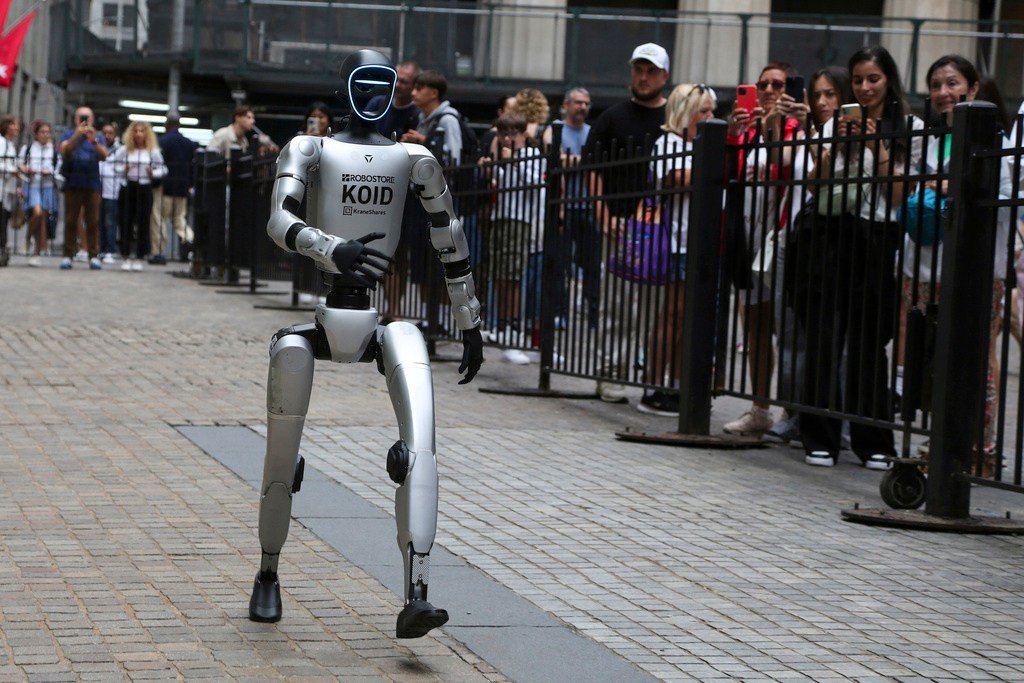
The debate over whether to call software an "algorithmic immigrant" misses the point. The real story is how automation is reshaping the American workforce, with profound implications for the middle class. As right-wing commentator Joe Allen recently noted, Silicon Valley is unleashing a wave of digital workers that operate around the clock from server farms, never asking for health insurance, sick days, or raises. But the more pressing issue is the quiet erosion of bargaining power for millions of white-collar employees.
A mid-level professional puts in roughly 2,000 hours a year. A cloud-deployed software system can run 8,760 hours without a break. The threat of replacement, not just the replacement itself, is what breaks the worker's leverage. Consider a senior analyst seeking an 8% cost-of-living raise. The executive across the desk simply opens a browser tab showing a platform that handles 70% of the analyst's daily output. The raise vanishes, replaced by a tacit warning to be grateful for the job.
The Broken Promise of Education
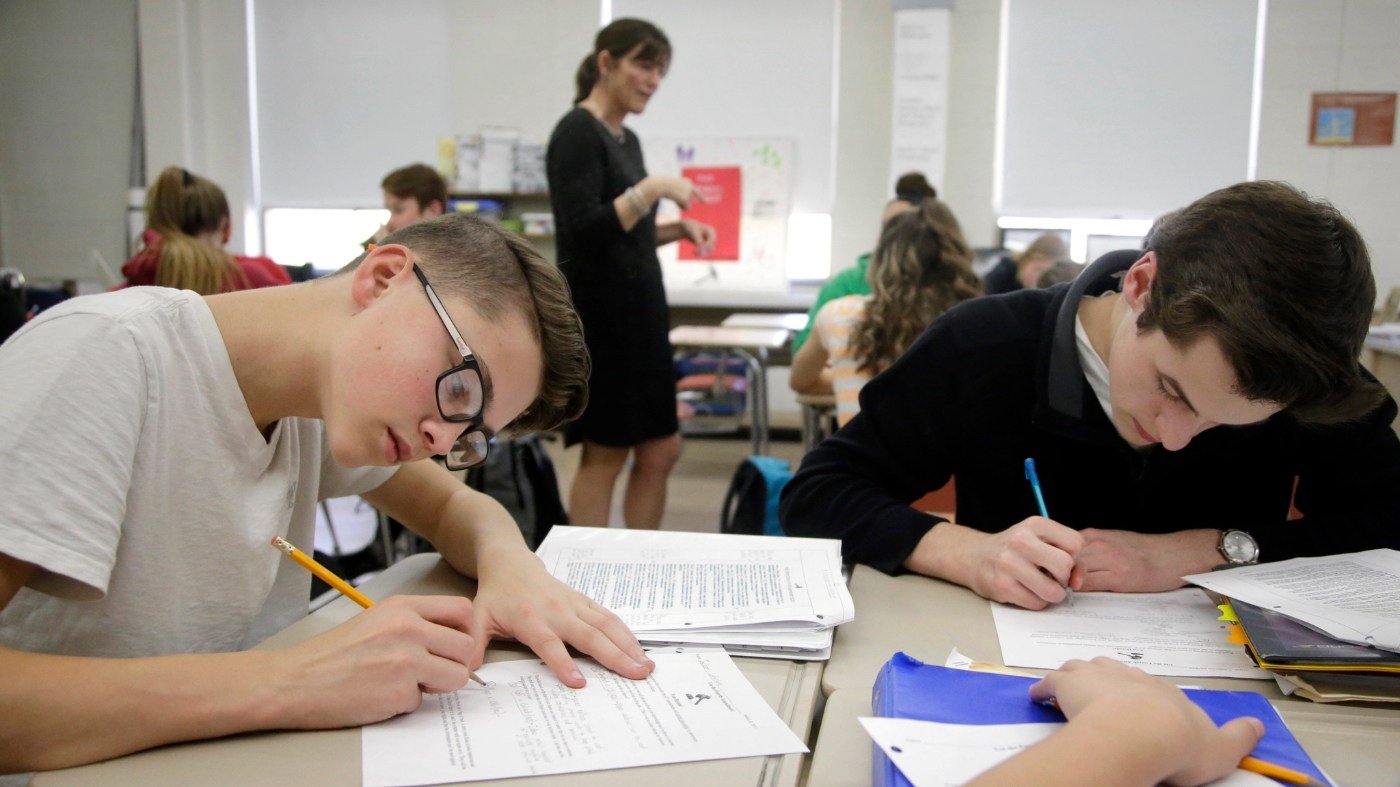
Generations were told that college degrees would secure stable, air-conditioned careers. The education system churned out workers skilled in summarizing reports, drafting contracts, writing code, and analyzing spreadsheets. Now, machines perform those exact tasks faster and cheaper. The rules changed while millions were still paying off the debt they incurred to play the old game.
Politicians and tech executives offer the familiar mantra: retrain, learn new skills, adapt. But telling a 45-year-old paralegal to become a software developer is absurd when the software itself is writing code better than a fresh computer science graduate. Constantly trying to outrun an automated system that updates every few weeks is a recipe for exhaustion—financial and psychological. People have mortgages, property taxes, and health insurance premiums that don't pause for a three-year career pivot.
The Math of Displacement
A company doesn't need to fire everyone to trigger economic pain. Trimming a 100-person department to 60 creates 40 unemployed specialists competing for fewer desks, depressing wages across the sector. Output rises, profits climb, but more Americans can't afford their neighborhoods or mortgages. This gap between corporate performance and household reality will only widen. The U.S. can be economically richer and individually poorer at the same time.
The middle class bears the brunt because its jobs are overwhelmingly about information management—calendars, marketing copy, internal memos. Losing an entry-level service job disrupts a young person's plans, but losing a $100,000 professional salary can destroy a family. The suggestion to pivot to skilled trades ignores reality: a former copywriter can't become a licensed electrician by next Wednesday. Trades require years of apprenticeship and physical endurance. Flooding the unions with desperate former managers would crash wages for actual plumbers and carpenters.
Corporate Doublespeak
Corporations hide behind phrases like "human in the loop" to soothe shareholders and regulators. That single human is a lonely supervisor monitoring software that replaced 20 colleagues. Output stays the same, headcount drops 95%, and PR claims no one was truly replaced because a human still clicks the final button. The final insult is the onboarding process: companies pay senior staff to document their workflows, upload histories, and correct errors—feeding their institutional knowledge directly into the system that will make them redundant. They build their own replacements while waiting for a bonus that never arrives.
If this trajectory feels uncomfortable, the long-term outlook is worse. Computer scientists at major research institutions put the probability of AI causing human extinction at around 10%. Either algorithms gradually siphon off paychecks until we live in shipping containers, or superintelligence reduces the planet to ash. Critics may call this hyperbole, but only the deluded feel confident about where we're headed.
This is not just a technology story; it's a political and economic one. As automation accelerates, the social contract is being rewritten without public consent. The middle class, once the backbone of American democracy, is being squeezed between corporate efficiency and a political system slow to respond. The question is whether policymakers will act—or let the algorithms decide our fate.