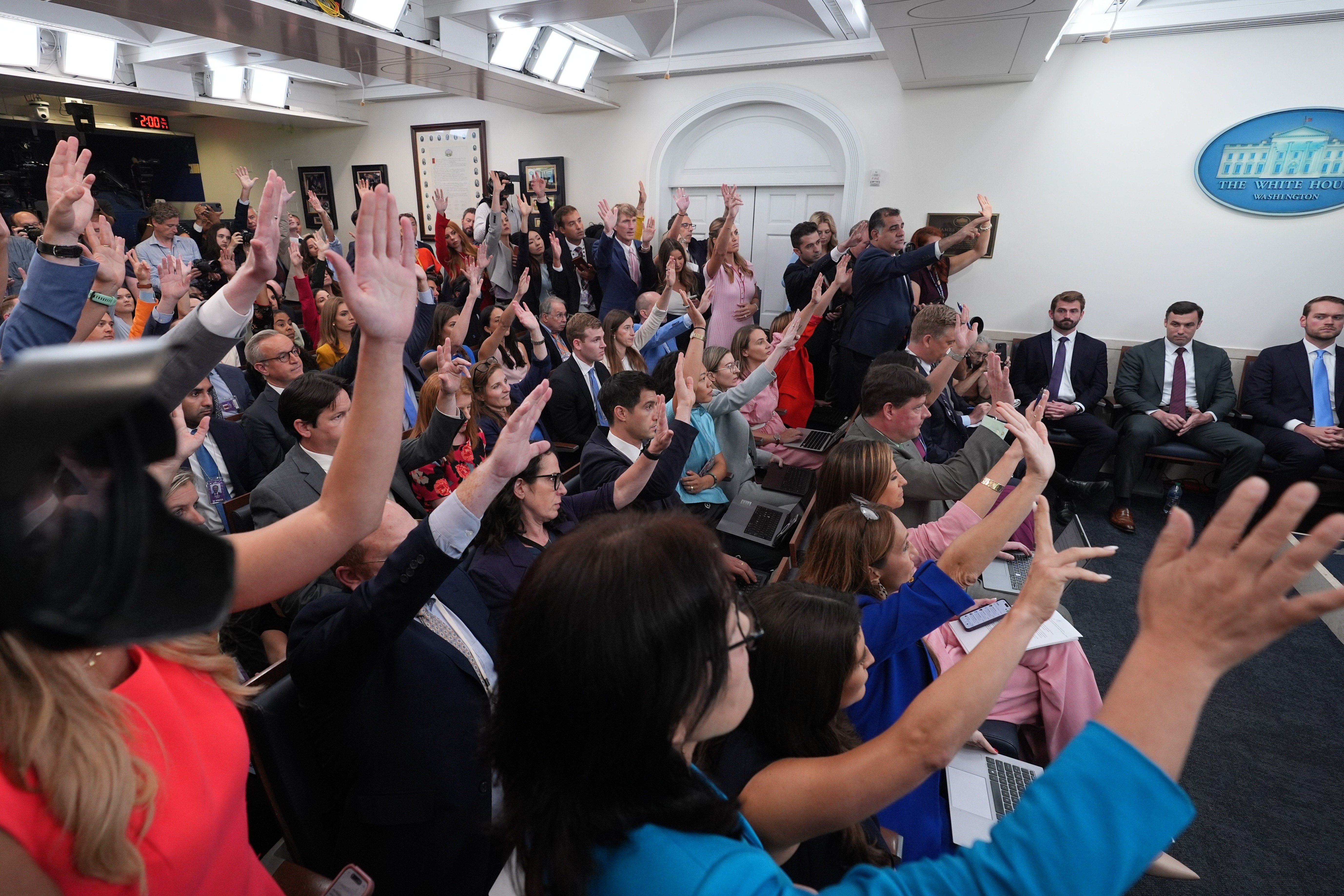
This week, it became clear that everyone supports a free press—until it interferes with their political interests. Both parties are now using the levers of government to shield themselves from unfavorable coverage, all under the banner of protecting the public or the media itself.
President Trump announced an immediate ban on CNN, MSNBC, and Politico from the White House, calling them "fake news" outlets. He went further, questioning why courts permit such reporting and hinting at potential censorship. This direct assault on press access breaks with decades of presidential practice, even as past presidents—from George Washington to Thomas Jefferson—openly criticized the media while still upholding constitutional protections.
Meanwhile, Democrats are pursuing their own politically motivated media intervention. Twelve blue states have filed suit to block the merger of Warner Bros. Discovery and Paramount Skydance, which would put conservative billionaire David Ellison in control of CNN. While the legal arguments are dressed in antitrust language, many admit the real goal is to preserve CNN as a friendly liberal platform. Former Obama officials like Norm Eisen and Dan Pfeiffer have been explicit, with Pfeiffer warning the merger could make CNN "more MAGA-friendly." Senator Bernie Sanders called it an "oligarch" power grab, and Representative Jamie Raskin claimed it would undermine CNN's editorial independence.
This hypocrisy is stark: the same figures condemning Trump's press ban are eagerly working to block a lawful business deal for partisan reasons. They ignore the economic realities. CNN has struggled with ratings and revenue, and Warner Bros. has lost billions. The merger, already cleared by the European Commission, would provide financial stability. Democrats' efforts echo their previous victories blocking the JetBlue-Spirit Airlines merger, which led to Spirit's bankruptcy and mass layoffs—a cautionary tale they seem unwilling to apply here.
As a legal analyst with 30 years of experience across four networks, I want CNN to succeed. Strong media companies are essential to democracy. That requires defending both press freedom and market freedom, even when coverage is uncomfortable. Politicians have long played on public anger to target the media—John Adams signed the Alien and Sedition Acts, yet also declared press liberty "essential to the security of the state." Today's leaders are repeating that mistake, using "fake news" or "corporate messaging" as excuses to control what we read and watch.
The cost of this political manipulation is high. When politicians choose sides on media policy based on their own electoral interests, they undermine the very institutions meant to hold them accountable. Even some conservative voices are uneasy with the White House press bans, recognizing the precedent they set. Yet both parties press on, oblivious to the long-term damage.
For a functioning democracy, we need robust, independent media—financially and journalistically. That means resisting the urge to weaponize government power against outlets we dislike, whether through bans, mergers, or subsidies. The press must be free to criticize all politicians, and politicians must accept that criticism as part of their job. As midterm season heats up, the true test will be whether leaders can resist the temptation to silence their critics.