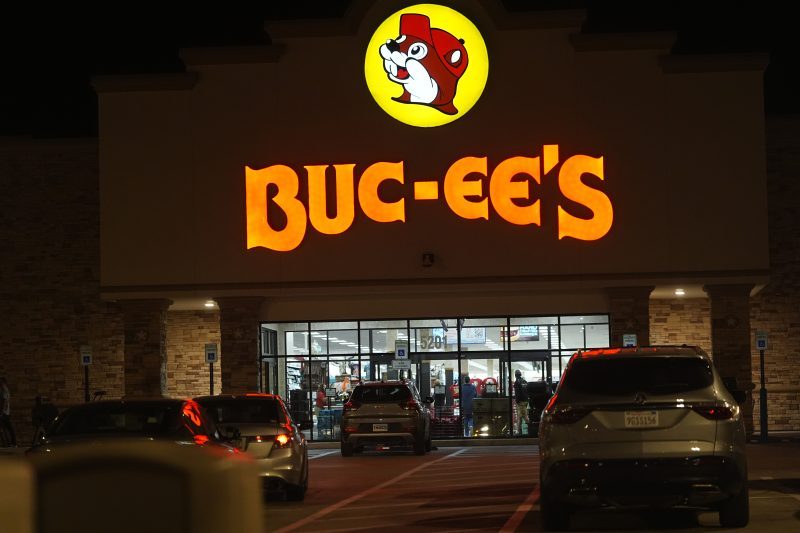
Buc-ee's, the Texas-based convenience store chain known for its massive travel centers and cult following, is pressing ahead with an aggressive expansion strategy. Despite speculation about potential new markets, the company has already opened four locations this year and has concrete plans for more, signaling that the Beaver Nuggets and brisket phenomenon is far from slowing down.
According to company announcements, Buc-ee's has opened travel centers in four states so far in 2025. In April, the chain debuted its first-ever location in Ohio, a milestone for the brand in the Midwest. June saw the opening of its westernmost store, extending its reach further into the western United States. Two additional locations opened in August, though the company has not disclosed specific details about those sites.
Looking ahead, Buc-ee's has confirmed that at least one more store will open before the end of this year, with an ambitious plan to add six more in 2027. The company has not yet specified which states will host these new locations, but the pace suggests a deliberate strategy to penetrate new regional markets while deepening its presence in existing ones.
For some communities, the arrival of Buc-ee's will be a first. The company has been selective about where it builds, often choosing high-traffic corridors near interstate highways. Its travel centers typically span more than 50,000 square feet and feature dozens of gas pumps, expansive restrooms, and a wide array of food options, from brisket sandwiches to its signature Beaver Nuggets.
The expansion has not been without controversy. In some areas, local officials have raised concerns about traffic congestion and environmental impact, while others have welcomed the economic boost. Buc-ee's has often worked with state and local governments to secure incentives, a practice that has drawn scrutiny from some fiscal conservatives. In Texas, where the chain was founded, it remains a beloved institution, but its growth into other states has sparked debates about land use and infrastructure.
Buc-ee's expansion also intersects with broader political and policy discussions. For instance, the company's success reflects broader trends in retail and travel, but it also highlights the importance of infrastructure and zoning laws. As states compete for large-scale developments, decisions about where Buc-ee's builds can become entangled in local politics, as seen in recent debates over congressional redistricting and other state-level issues.
Analysts note that Buc-ee's growth is part of a wider boom in travel-center retail, driven by increased road travel and consumer demand for convenience. The chain's ability to draw customers from miles away has made it a sought-after tenant for developers and a potential boon for local economies. However, the company's scale also means that its decisions can have significant regional impacts, from job creation to changes in traffic patterns.
Buc-ee's has not released a detailed timeline for its 2027 openings, but reports suggest that the company is scouting sites in several states, including some where it has no existing presence. The chain's aggressive expansion comes as other travel-center operators, such as Sheetz and Wawa, are also growing, intensifying competition in the sector.
For now, Buc-ee's fans can look forward to at least one more store opening this year, with six more on the horizon in 2027. Whether these new locations will bring the brand to new states or deepen its footprint in existing ones remains to be seen, but one thing is clear: Buc-ee's is not slowing down.