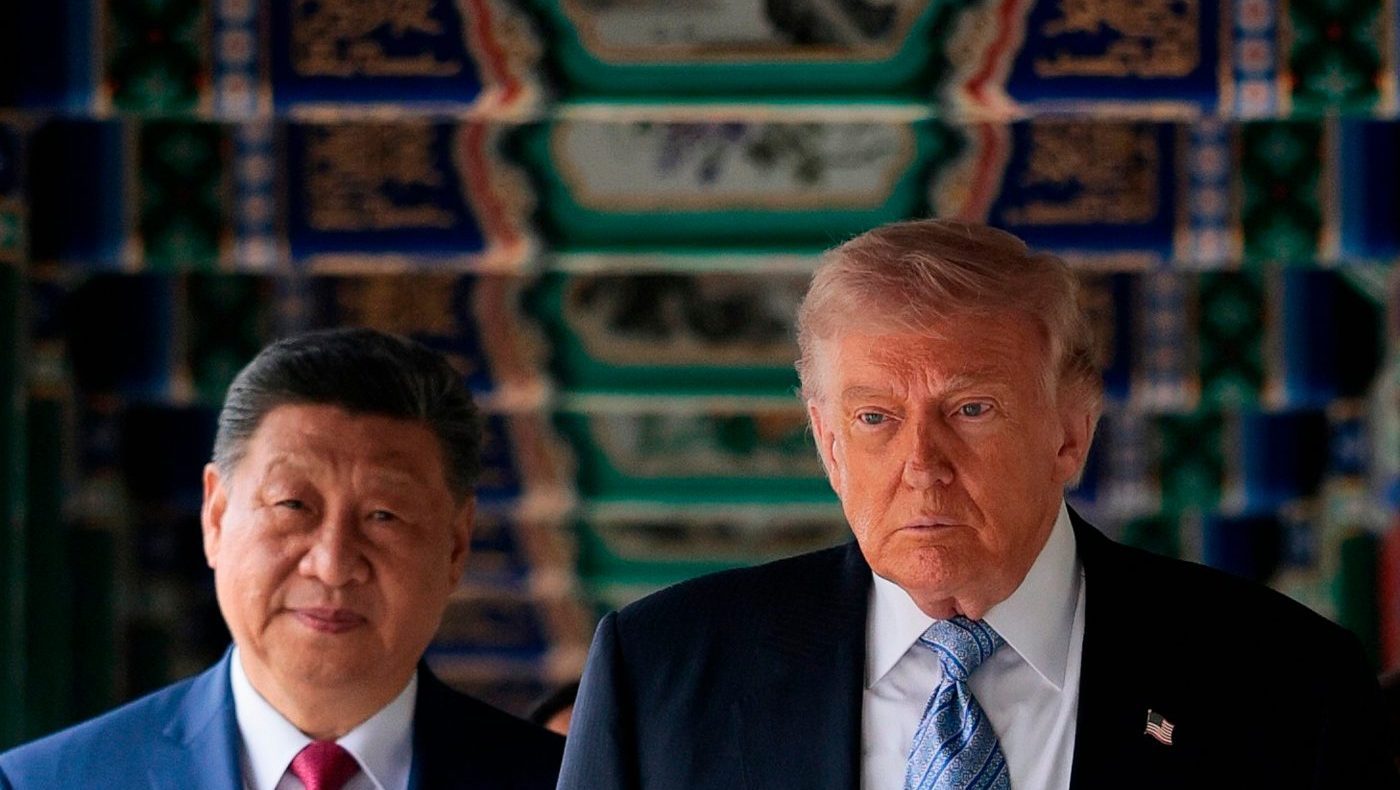
At a recent House Foreign Affairs hearing, Rep. Mark Pocan (D-Wisc.) dismissed Ambassador Mike Waltz's advice on Cuba because Waltz had never visited the island. Pocan spoke days after returning from a four-day trip to Havana.
Pocan is partially correct: firsthand experience matters. I was born and raised in Cuba, leaving in 1992 on a raft before transferring to a boat that was sinking, surrounded by sharks during the crossing of the Straits of Florida. Scholars estimate that at least one in four people attempting that journey never arrives.
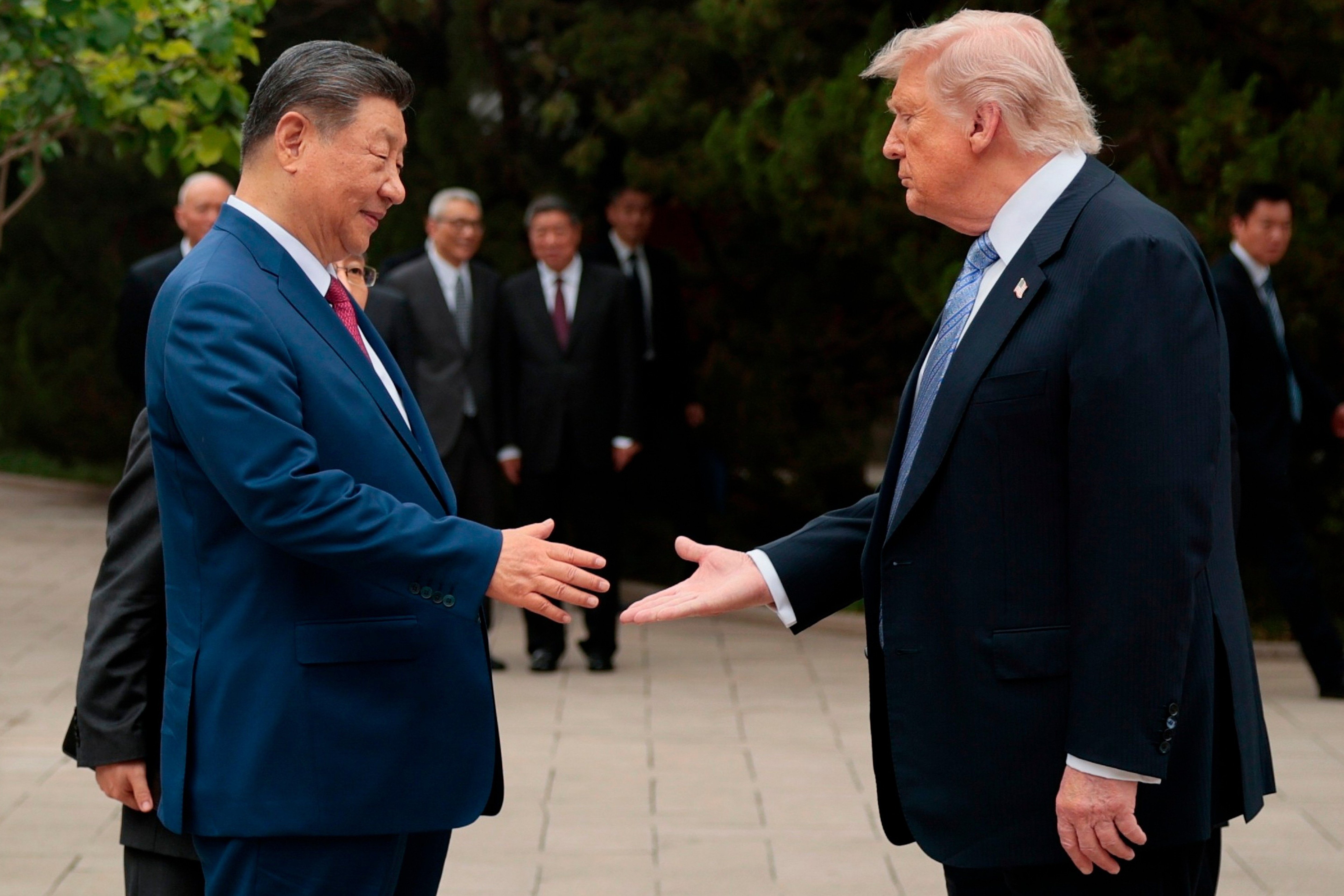
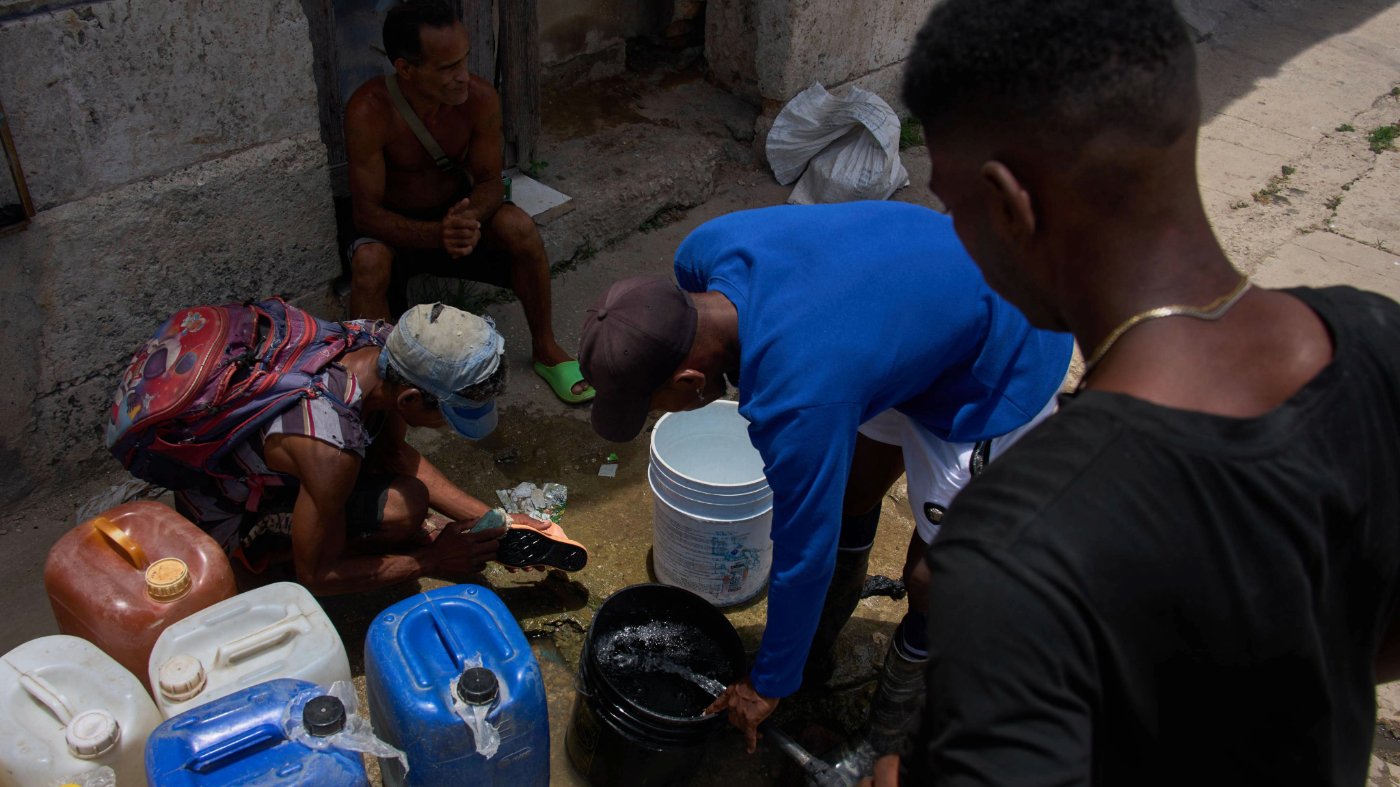
But a few days of government-arranged meetings is not equivalent to knowing Cuba, nor is a family story. What truly determines understanding is who you are permitted to speak with. Meeting President Miguel Díaz-Canel was not inherently wrong; changing policy between governments requires dialogue with the other side. The delegation saw real suffering—premature infants on ventilators that fail when the power grid collapses. The issue is not that they met the government, but that the government was the only party allowed to describe the country to them.
Consider the April announcement by Cuba's government that it was releasing 2,010 prisoners, touted as a humanitarian gesture. Human Rights Watch, Prisoners Defenders, and Justicia 11J—which tracks cases from the July 2021 protests—searched for political prisoners among those freed. None could identify a single one. The government's own announcement excluded anyone convicted of "crimes against authority," the category used for six decades to imprison people for their speech.
Two thousand people walked out of prison, but not one had been jailed for speaking. Cuban families knew within a day; they were at the gates. My knowledge of Cuba is not frozen in 1992. For 20 years, I have mailed relatives surgical instruments, needles, and suture thread—items their hospitals lack. Yet U.S. representatives were falsely told this scarcity is recent. Cuban authorities acknowledged chronic drug shortages in 2017 and named surgery among the hardest-hit specialties in 2022. Since 2021, travelers have been allowed to import medicine duty-free and without limits. The director of a Havana children's hospital said this spring that Cuba has lived with this for decades and it has now reached dramatic levels.
Both halves are true, but the delegation repeated only one. That won't settle the sanctions debate. My claim is narrower: a delegation meeting the president, foreign minister, and national assembly has heard from one party to a dispute. Estimates of Cuba's political prisoner population range from roughly 700 to over 1,200, depending on the source, with more than 175 new cases this year. Even the lowest estimate is 700 people—and not one of them or their families briefed the delegation.
Members traveling to Cuba should request, in writing and in advance, meetings with families of imprisoned protesters, independent journalists, and clergy operating outside state approval. They should speak publicly when refused, since a refusal is itself information. They should ask about named cases, such as the four teenagers arrested after blackout protests in Morón, central Cuba. One is 15 years old, below Cuba's own minimum age of criminal responsibility. And members should publish their itineraries, showing who they met and who arranged it.
None of this requires changing position on the embargo. It does require visitors to stop describing Cuba after speaking only with its government during brief visits. I want the blackouts to end. I want my family to eat; I would take that from anyone willing to grant it. What I cannot accept is the pretense that the Cuban state is the only Cuban voice with an address, and that the rest of us—the imprisoned, the drowned, and the ones who made it—are mere scenery.