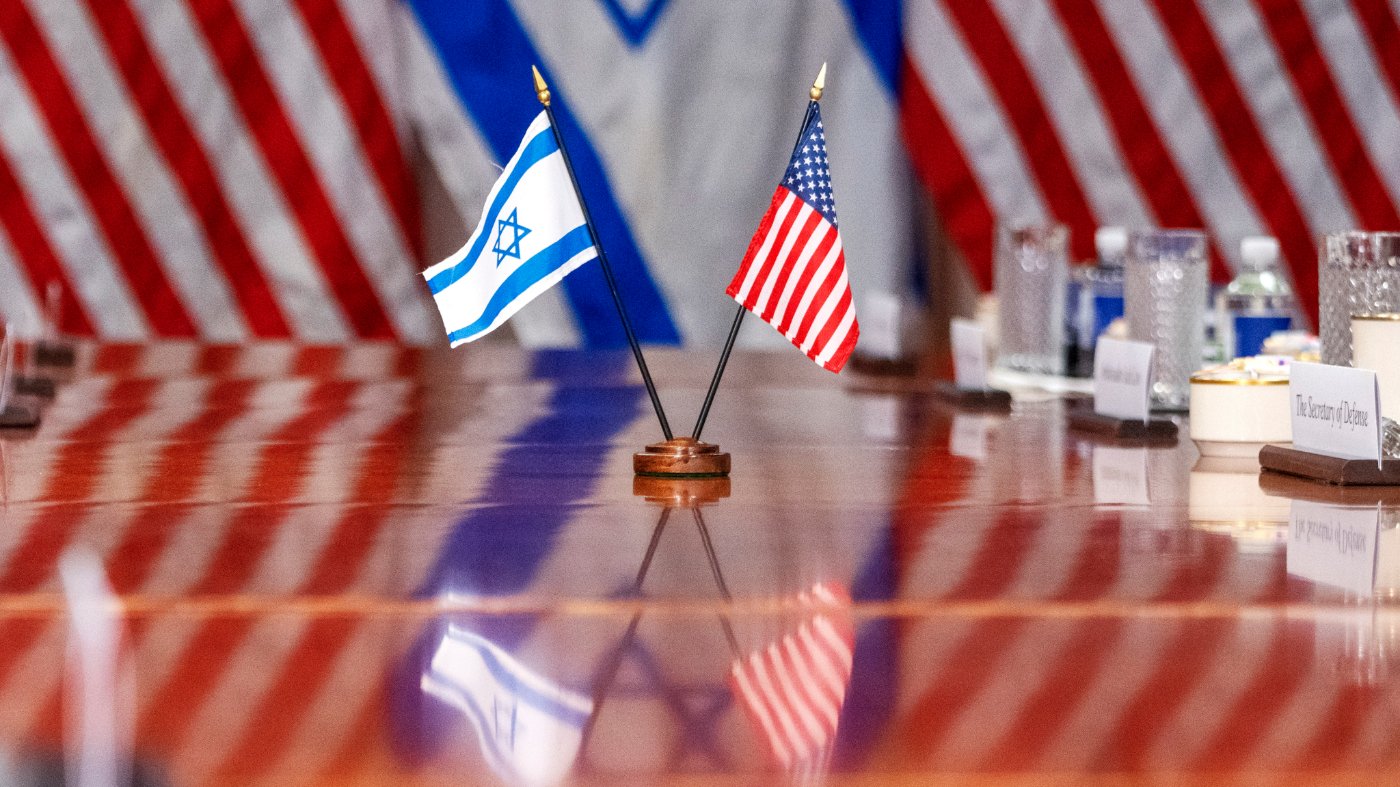
American public opinion on U.S. backing for Israel has shifted sharply, with a record number of voters now saying Washington is too supportive of the Jewish state, according to a new Quinnipiac University poll.
The survey, conducted June 18–22 among 1,165 registered voters, found that 48 percent of respondents believe the United States is excessively supportive of Israel. Only 7 percent said U.S. support was insufficient, while 38 percent described it as “about right.” Six percent were unsure or declined to answer.
“This is the highest percentage of voters thinking that the U.S. is too supportive of Israel since Quinnipiac University first asked this question of registered voters in January 2017,” the pollsters noted. The margin of sampling error is plus or minus 3.4 percentage points.
Partisan divisions are stark. Among Democrats, 66 percent said the U.S. backs Israel too much, compared with 20 percent of Republicans and 55 percent of independents. The finding underscores a growing partisan gap on an issue that has long divided the electorate.
The shift in sentiment comes amid ongoing international criticism of Israel’s military operations, particularly in Gaza, where its war against Hamas has caused widespread civilian casualties and infrastructure destruction. The conflict, which began over two years ago, has drawn condemnation from human rights groups and many foreign governments.
The United States entered a broader war against Iran alongside Israel nearly four months ago, a move that recent polls show is unpopular with the American public. The unpopularity of that engagement may be feeding into the rising perception that Washington is overcommitted to Israel.
Last week, Vice President Vance advised Israeli officials to refrain from criticizing the recently negotiated U.S.-Iran peace deal. Speaking at a White House press conference, he said, “If I was in the Cabinet of the Israeli government, I might not be attacking the only powerful ally that I have anywhere left in the entire world.” His remarks drew backlash from some Republican lawmakers, including Representative Fine, who called them “disgusting” and highlighted a widening rift within the GOP over Israel policy.
Vance’s comments came as the administration pushes forward with nuclear talks in Switzerland, even as Hezbollah-Israel tensions escalate and Trump lashes out at critics of the Iran deal. Meanwhile, the partisan divide over Israel is growing, with voters increasingly questioning the extent of U.S. commitment.
The poll’s findings suggest that the political landscape around U.S.-Israel relations is shifting, with implications for both domestic politics and foreign policy. As the administration navigates complex negotiations and regional conflicts, the public’s appetite for robust support of Israel appears to be waning.