Fresh economic turbulence hit the White House on Friday as the Labor Department reported that the U.S. lost 23,000 jobs in July, a stark reversal from the consensus forecast of 80,000 new positions. The unexpected contraction sent ripples through political circles, giving Democrats a potent talking point just months before the November midterms.
Democrats were quick to seize on the numbers, framing them as evidence of President Trump's mismanagement of the economy. Pete Buttigieg, the former Transportation Secretary and a potential 2028 contender, took to social media to declare that "the economic failures of the Trump administration keep piling up." Nancy Pelosi, the former Speaker, echoed that sentiment, calling the report "disastrous" and proof that "the Trump economy has failed the American people." Even in Michigan, where Abdul El-Sayed just clinched the Democratic Senate nomination, the jobs data became a rallying cry, with El-Sayed mocking the "Trump dump" and warning that his GOP rival would "rubber stamp" such outcomes.
The political stakes are high because Trump's 2024 campaign was built in part on a promise to tame inflation, which had soared to a 9.1% annual rate in June 2022 under President Biden. By November 2024, when Trump defeated Kamala Harris, inflation had cooled to 2.7%. But since the outbreak of hostilities with Iran in late February, prices have crept back above 3% each month, hitting 4.2% in May and 3.5% in June. New figures for July are due next Wednesday, and economists expect little relief.
Public sentiment is souring. According to RealClearPolitics polling averages, inflation is Trump's weakest issue, with over two-thirds of voters disapproving of his handling of it. On the economy broadly, disapproval sits at roughly 61%, with only 37% approving. These numbers spell danger for Republican candidates who must defend the administration's record.
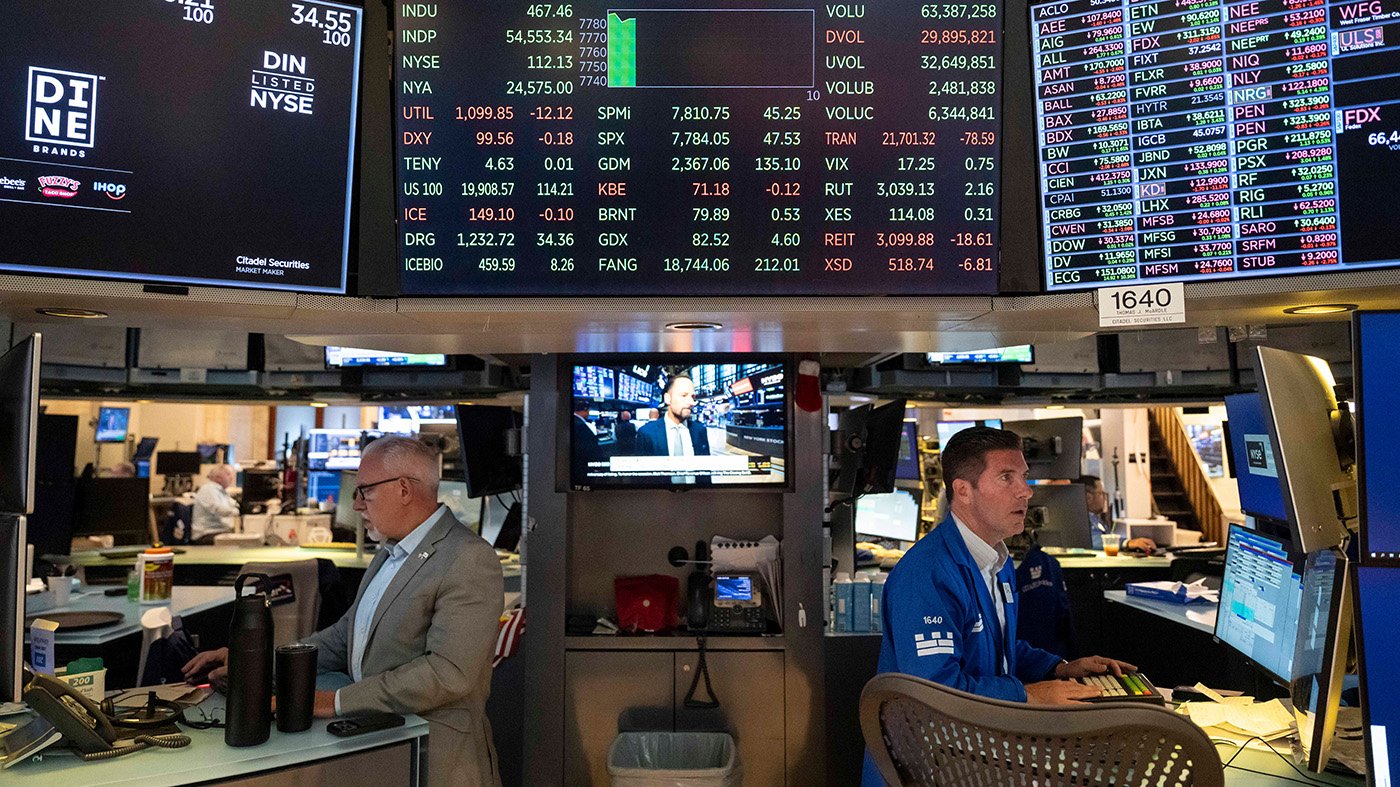
Despite the gloomy jobs report, the stock market notched another gain on Friday, with the S&P 500 closing at 7,757—up nearly 30% since Trump's inauguration. The president often cites Wall Street's performance as a sign of economic health, and the market's resilience might seem contradictory. But analysts point out that investors are more focused on interest rates than on monthly payroll figures. A weak jobs report reduces the likelihood that the Federal Reserve will hike rates to fight inflation, which is why equities can rise even on bad employment news.
Mark Zandi, chief economist at Moody's Analytics, told The World Signal that other indicators—such as slowing wage growth and modest housing cost increases—also argue against a rate hike. "There are a lot of gravitational forces to bring inflation back in," he said. "Given the weak economy, I would be holding rates steady." Zandi added that the jobs report strengthens the hand of Fed officials who prefer to keep borrowing costs unchanged.
White House officials pushed back against the narrative of weakness. Kevin Hassett, director of the National Economic Council, told reporters that "the economy continues to be strong," citing robust durable goods orders and capital spending. He dismissed the jobs report as "very noisy data" and pointed to the unemployment rate, which ticked down from 4.2% to 4.1% in July. But that decline is cold comfort—it reflects a shrinking labor force, as people exit the workforce either by choice or because they've stopped looking for work. A smaller labor pool typically translates into slower growth, and economists debate whether the exodus is driven by discouraged workers, early retirees, or immigrants leaving the country.
For Trump and the GOP, the clock is ticking. With midterms just three months away, there's limited time to turn the narrative around. A lasting peace in Iran could ease oil prices and improve sentiment, but no such breakthrough appears imminent. As Zandi put it, "There's absolutely no reason to see any sunshine in this. It's just shades of gray and black."