President Trump took the United Nations podium on Tuesday to deliver a stark ultimatum to Iran: negotiate a settlement to end the ongoing conflict or face total destruction. The address, lasting roughly 40 minutes, was largely devoted to defending a war that has become deeply unpopular both at home and abroad, with global economic turmoil driven by disruptions to key energy exports.
Trump framed his administration as one that confronts global crises others have avoided, pointing to military interventions across multiple theaters. However, his remarks come as the conflict with Iran has dragged on for more than six months, costing the U.S. tens of billions of dollars and sending energy prices soaring as shipping through the Strait of Hormuz and the Red Sea remains under threat.
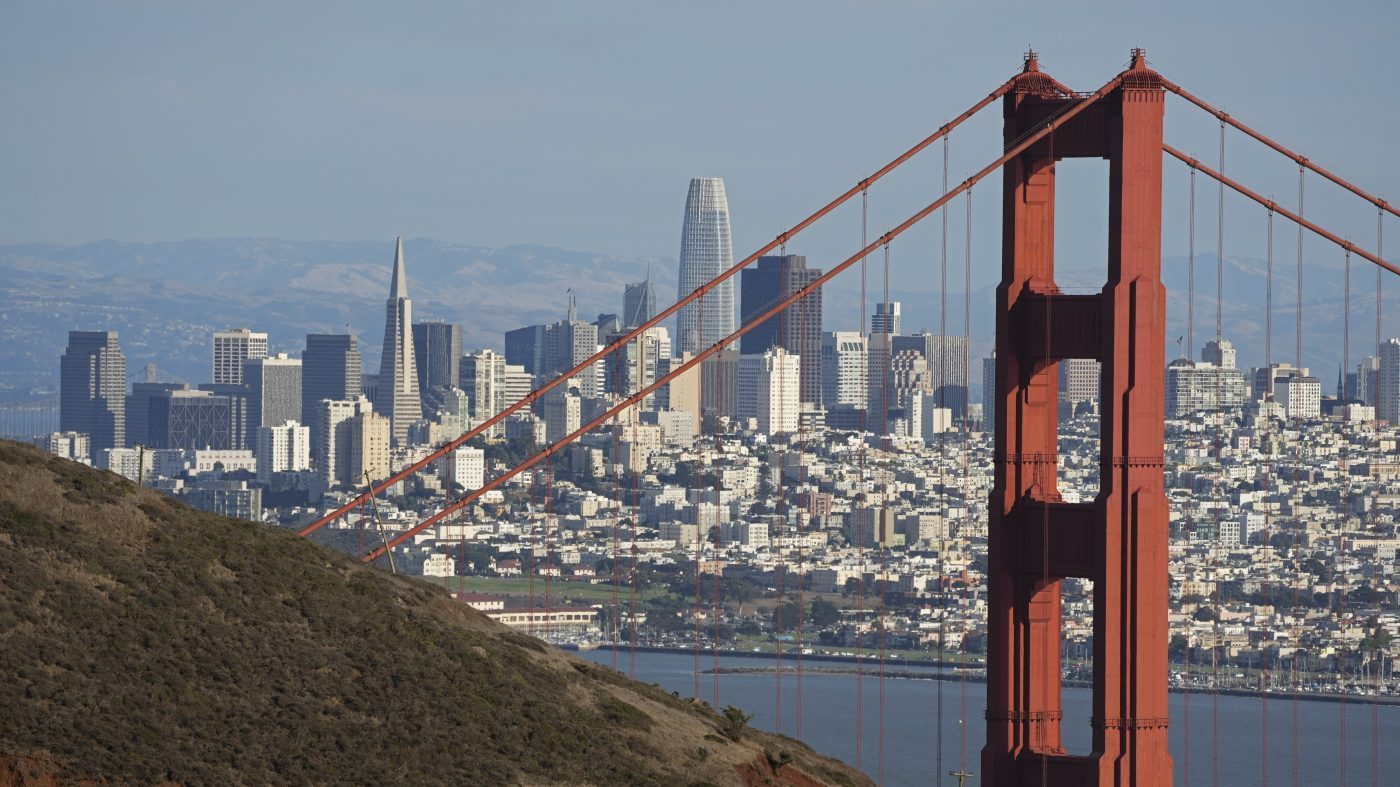
"I have a big decision to make. Will a deal be made with Iran that lets them rebuild, and create a far greater country than it ever was before, maybe one of the greatest in the Middle East or even the world," the president said. "Or do I annihilate the Islamic Republic and do it quickly, never giving them a chance to kill and destroy people and countries again."
The threat came despite earlier signals from the White House that Trump might meet with Iranian officials on the sidelines of the General Assembly, though no such meeting has been scheduled. Trump also pushed back against reports of U.S. munitions shortages, asserting, "The cowards and traitors would love to say the United States is low on munitions, but that's not true. We have more munitions than we could ever possibly even think of using, and we're building them at levels that we have never done before."
He called on other nations to join "the complete economic isolation of Iran," a sanctions campaign launched in August as military progress stalled. "They were the bully of the Middle East, but they are the bully no more. From the first day I entered the political arena, I've been unwavering. I will never allow Iran to have a nuclear weapon," he declared.
In a separate segment, Trump announced that the U.S. would not adopt regulatory guardrails for artificial intelligence, a stance that contrasts with warnings from experts and some lawmakers. He said he would not "stifle growth of something that will be bigger than the Industrial Revolution." Trump also revealed that all U.S. documents would henceforth refer to AI as "super intelligence" or "S.I.," arguing the term is more accurate. "Whoever wins S.I., whoever wins super intelligence wins. That's the group that wins," he said. The move drew attention given recent warnings from a former Anthropic researcher about AI's potential to destroy humanity, and while Trump pushes a hands-off approach to beat China, Democrats and some Republicans have called for regulation.
On security in the Western Hemisphere, Trump labeled drug cartels the "ISIS of the Western Hemisphere," defending a military operation striking suspected drug boats in the Caribbean, despite a UN report suggesting those strikes could constitute war crimes. "They're enemies at war with civilization using murder, rape, torture, and extortion as instruments of terror," he said. "Like ISIS, they should be killed, exiled or detained as enemy combatants without the possibility of release, which is what we're doing." He criticized Mexico's handling of cartels, saying, "Mexico is the epicenter of the cartel violence, unfortunately. Mexico must reclaim control of its soil from the enemies of humanity."
One of the most dramatic moments came when Trump called for freedom in Cuba, prompting the Cuban delegation to walk out. He described the communist regime as "under great pressure — the biggest pressure they've ever been under. It's an absolutely failed state, falling like never before, and it will fall."
The president also touted new tariff authorities granted under a bill championed by the late Sen. Lindsey Graham, part of his administration's renewed push to pressure Russia. The speech underscored Trump's willingness to use the UN stage to project American power, even as critics question the costs and consequences of his policies.