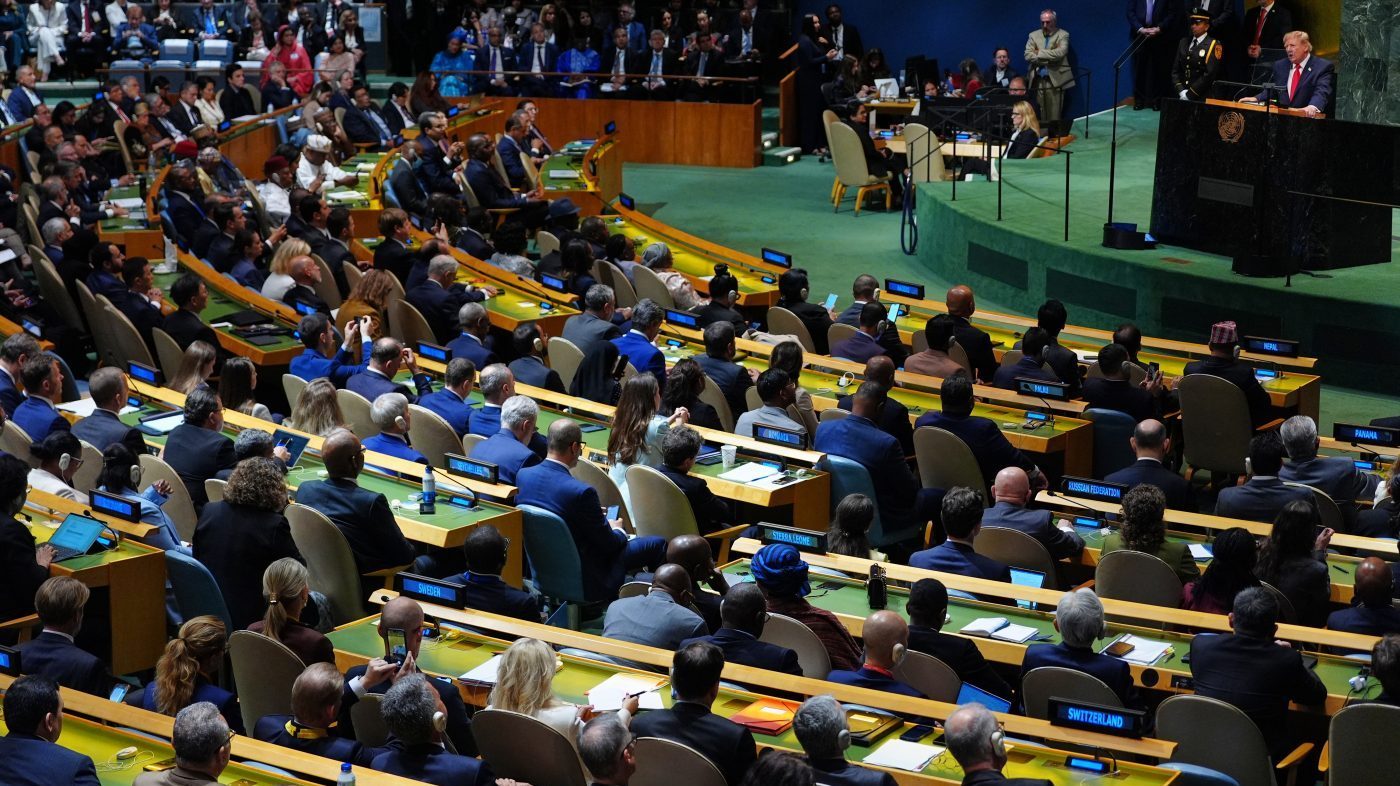
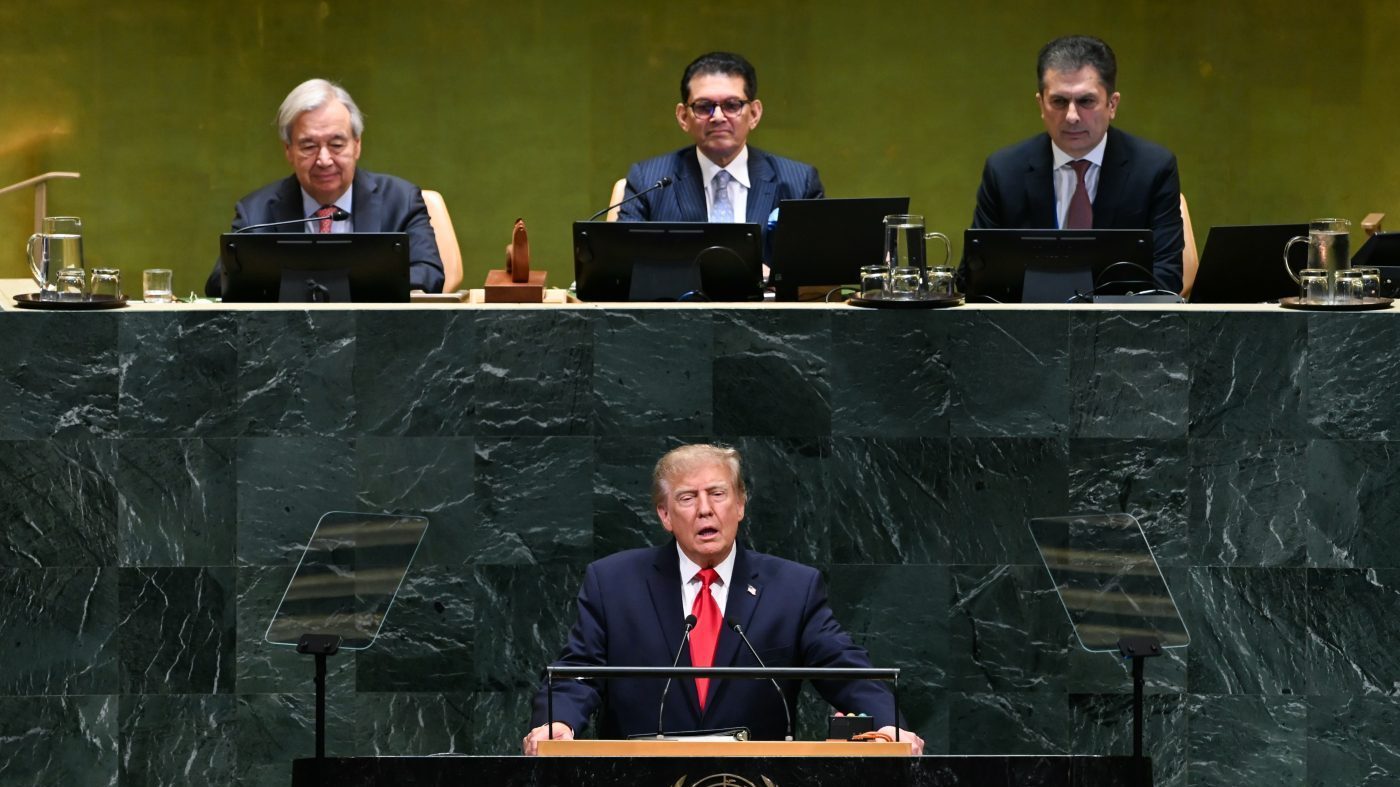
The Cuban delegation to the United Nations General Assembly staged a walkout during President Trump's address to the global body on Tuesday, after the president declared that "freedom will be coming to Cuba." The abrupt departure came as Trump sharply criticized the island's communist government, accusing it of fomenting opposition within the United States.
"My administration is also seeking a fundamental change in the situation in Cuba, where the communist regime is under great pressure — the biggest pressure they've ever been under. It's an absolutely failed state," Trump told the assembled world leaders. "It's failing like never before, and it will fall."
The walkout underscored the deep tensions between Washington and Havana, which have escalated since Trump reimposed a stringent oil blockade against Cuba in January. That measure effectively cut off the island's access to Venezuelan crude, a lifeline that had been sustained by the regime of Nicolás Maduro, who was captured by U.S. forces. The move was part of a broader strategy to squeeze Cuba's economy and force political change.
Behind the scenes, Secretary of State Marco Rubio has been leading negotiations with Cuban officials, though the specifics of U.S. demands remain undisclosed. Sources indicate that Washington is pressing for economic liberalization and the release of political prisoners, but talks have stalled. In response, the Trump administration has escalated sanctions on Cuban military and communist party-linked entities, tightening the screws on an already beleaguered economy.
The confrontation at the UN is the latest flashpoint in a long-running standoff. Critics of the administration's approach argue that the oil blockade and sanctions harm ordinary Cubans more than the regime, while supporters contend that maximum pressure is the only way to topple a repressive government. The walkout itself was a symbolic rebuke, but it reflects the hardening positions on both sides.
Trump's remarks at the UN also touched on other geopolitical flashpoints. He warned Iran of "annihilation or a deal," and announced a U.S. initiative to rename AI as "super intelligence" in official documents — moves that have drawn mixed reactions from allies and adversaries alike. The president's confrontational tone has become a hallmark of his UN appearances, often leading to dramatic moments such as Tuesday's walkout.
Meanwhile, the administration faces scrutiny at home. California senators have demanded a probe into the administration's voter data operation, and a public feud with CNN's White House correspondent has spilled into the UN arena. These domestic distractions, however, have not diverted Trump from his hardline stance on Cuba.
As the negotiations with Havana remain in limbo, the question of Cuba's future hangs in the balance. Trump's prediction that the regime "will fall" may be aspirational, but the pressure campaign shows no signs of easing. For now, the world watches to see whether the Cuban government will bow to U.S. demands or continue to resist, even as its delegation walks out of the world's premier diplomatic forum.