Calley Means, a former top adviser to Health Secretary Robert F. Kennedy Jr., publicly criticized outgoing White House chief of staff Susie Wiles on Friday, alleging that she steered the Trump administration toward corporate interests on health policy. In a two-hour appearance on The Joe Rogan Experience, Means detailed how Wiles and her allies—both within and outside the White House—sabotaged politically popular efforts to regulate kratom, flavored e-cigarettes, and sugary drinks.
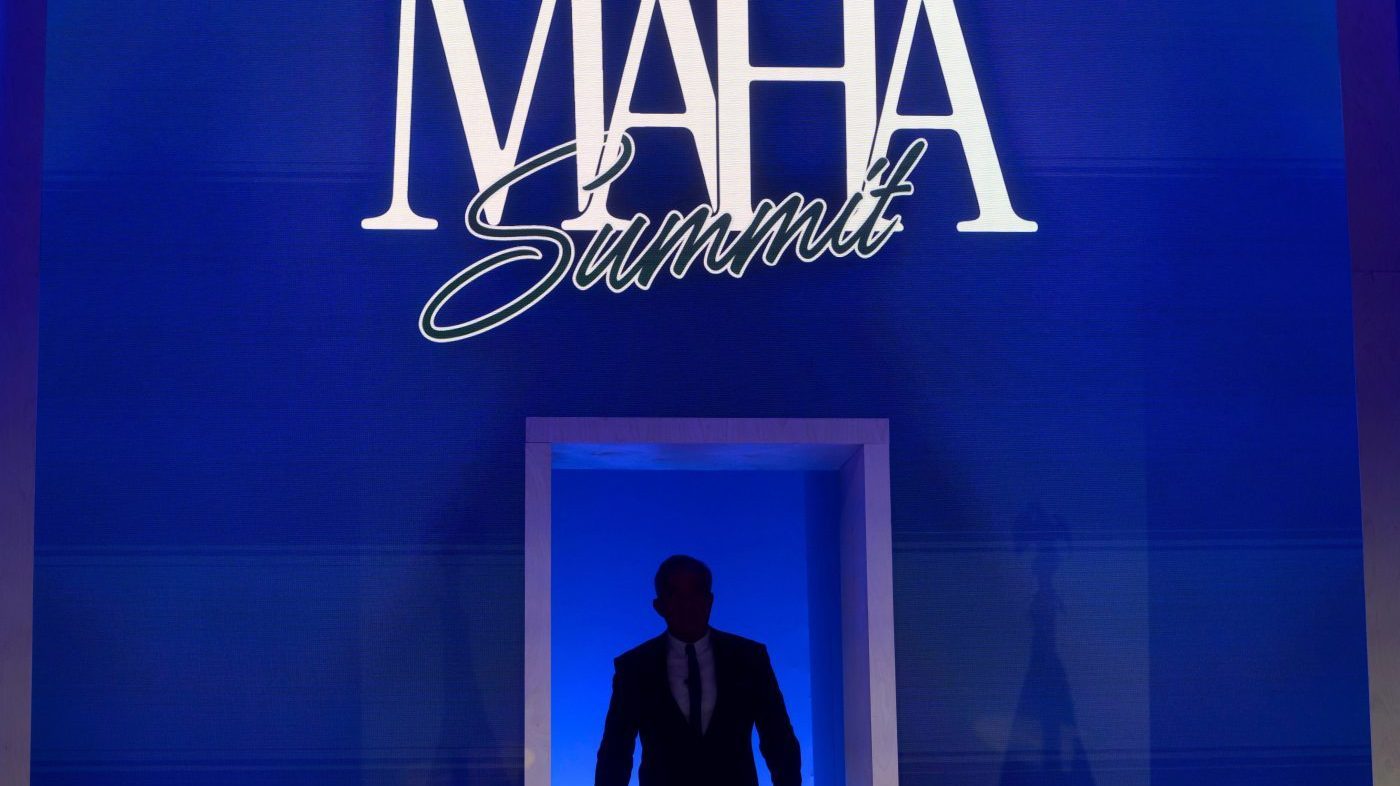
Means, a key figure in the Make America Healthy Again (MAHA) movement, resigned from his administration post two weeks ago, citing frustration over stalled progress on core MAHA goals. He told Rogan, “The simple reality in why I left is that there is a very concentrated group of people in the Trump administration that are antagonistic to what people voted for and are, frankly—I think it’s very clear—doing things for other reasons.”
According to Means, Wiles was singularly focused on securing financial contributions from special interests to bolster GOP midterm prospects. He claimed she repeatedly told him, “We need money for the midterms, Calley. We need money for the midterms,” and once directly said, “I need the money from the sugar people to win the midterms.” Means asserted that Wiles held a “stranglehold on any policy decision” in the White House.
The Hill has reached out to the White House for comment. Wiles, a former lobbyist, represented clients including pharmaceutical and pesticide companies, as well as Israeli Prime Minister Benjamin Netanyahu. On Friday, President Trump announced Wiles’s departure, with longtime adviser Stephen Miller set to replace her next week.
In response to Wiles’s exit, Kennedy defended the administration’s record on X, saying he and Trump “intend to keep fighting until the American people—not corporate influence—drive our health policies.” However, Means criticized the administration’s handling of several MAHA priorities, notably the pesticide glyphosate, a key ingredient in Roundup.
The Trump administration sparked MAHA backlash in February with an executive order calling for “adequate supply” of glyphosate-based herbicides for national security, issued just before the Supreme Court heard arguments in a case on whether Bayer could face cancer lawsuits over Roundup. Means told Rogan that a Wiles staffer “sat me down, put the EO on the table and said it’s not up for discussion,” and that Wiles later called Kennedy’s office to say, “We’re not discussing this.”
Means also alleged that FDA commissioner nominee Heidi Overton worked with the Department of Justice to craft a legal argument urging the Supreme Court to limit Bayer’s liability. The Court ultimately sided with the pesticide companies.
Beyond pesticides, Means expressed frustration over delays in defining “ultra-processed food,” another MAHA priority. He noted, “The amount of vitriol and lobbying on this issue, just having a simple definition out, because the food companies don’t want people to know the truth.” His comments come as healthcare policy remains a flashpoint in the broader political landscape, with recent electoral dynamics reflecting voter concerns about healthcare's role in elections.
Means’s allegations underscore internal tensions within the administration over the direction of health policy, a theme that has resonated with voters and could influence upcoming midterm contests. The White House has not yet responded to specific claims, but the departure of Wiles signals a potential shift in how the administration navigates corporate influence versus grassroots health advocacy, a dynamic that may shape political outcomes in the months ahead.