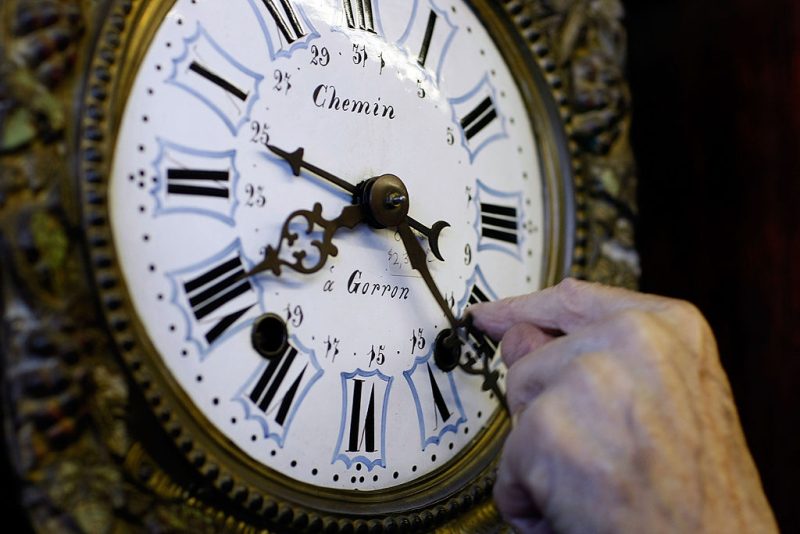
With summer heat still lingering, the prospect of falling back is drawing closer—and the fate of daylight saving time hangs in the balance on Capitol Hill.
The House approved legislation earlier this summer that would lock the nation into daylight saving time year-round, a move that would eliminate the biannual clock shift. But the Senate has not scheduled a vote, and time is running out before the scheduled switch back to standard time in November.
President Trump has voiced support for the measure, aligning with a bipartisan push to end the time change. However, without swift Senate action, Americans will turn their clocks back on the first Sunday of November, reverting to standard time until March.
Legislative Stalemate
The House-passed bill, known as the Sunshine Protection Act, has stalled in the upper chamber. Senate Majority Leader Chuck Schumer has not committed to a timeline, leaving advocates frustrated. “Every day that passes brings us closer to another unnecessary disruption,” said Senator Marco Rubio, a longtime proponent of permanent DST.
Proponents argue that permanent daylight saving time would benefit the economy, reduce energy consumption, and improve public health by aligning waking hours with daylight. Opponents, however, cite concerns about winter mornings, when the sun would rise later, potentially affecting school commutes and outdoor work.
What Happens Next
If the Senate fails to act, the nation will observe standard time from November 1, 2026, until March 14, 2027. That means the upcoming clock change is almost certain unless Congress intervenes in the next few weeks.
“We are in a race against the calendar,” noted a senior Senate aide familiar with the negotiations. “The window for a vote is narrowing.”
The White House has signaled that the president would sign the bill if it reached his desk. “The president supports ending the outdated practice of changing clocks,” a spokesperson said.
Broader Implications
The debate over daylight saving time is part of a larger conversation about federal time policy. States have increasingly explored their own measures, with some seeking to adopt permanent standard time or permanent DST, but federal law currently prohibits such changes without congressional approval.
As the clock ticks, Americans may face yet another fall-back ritual. But if the Senate moves swiftly, this could be the last time they adjust their clocks.
For now, the public is left waiting—and wondering whether Congress will act before the deadline.