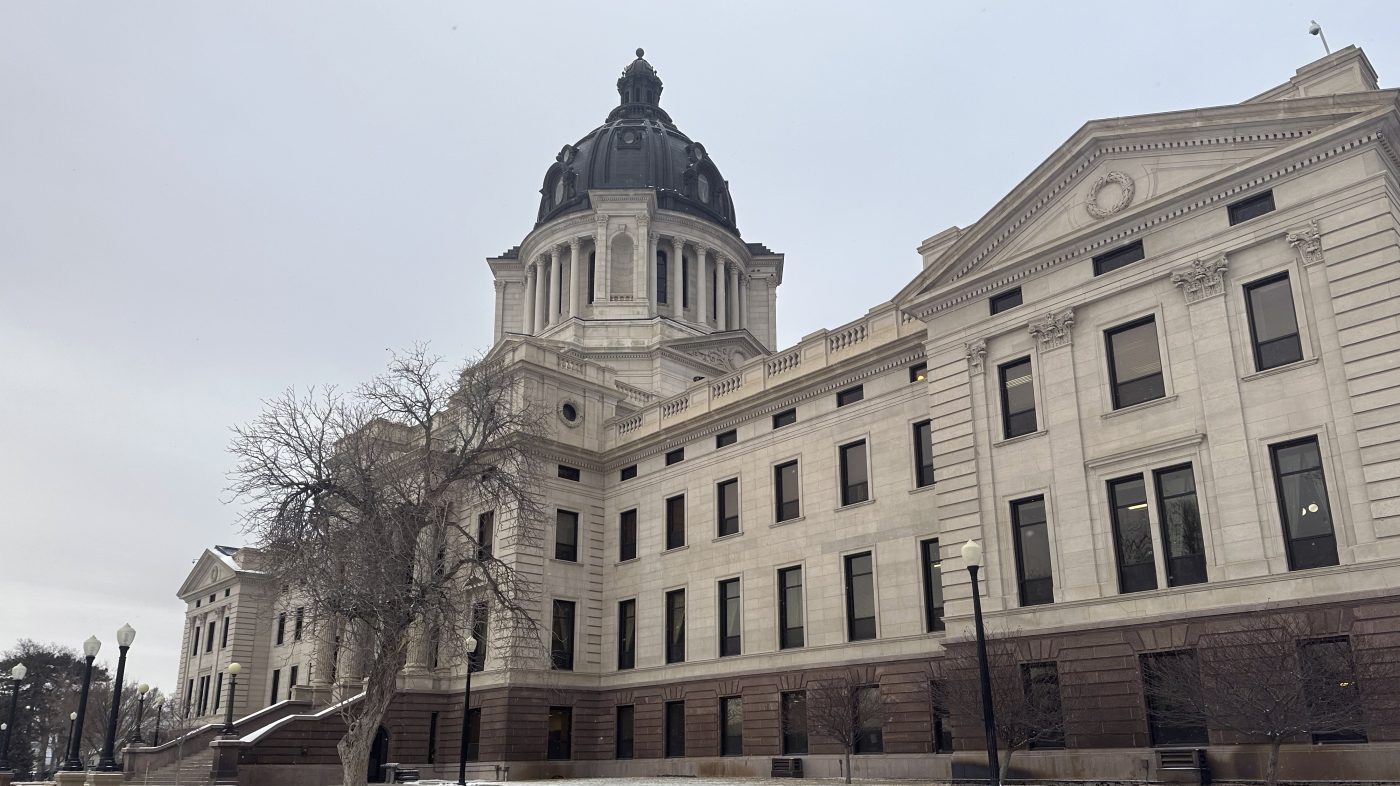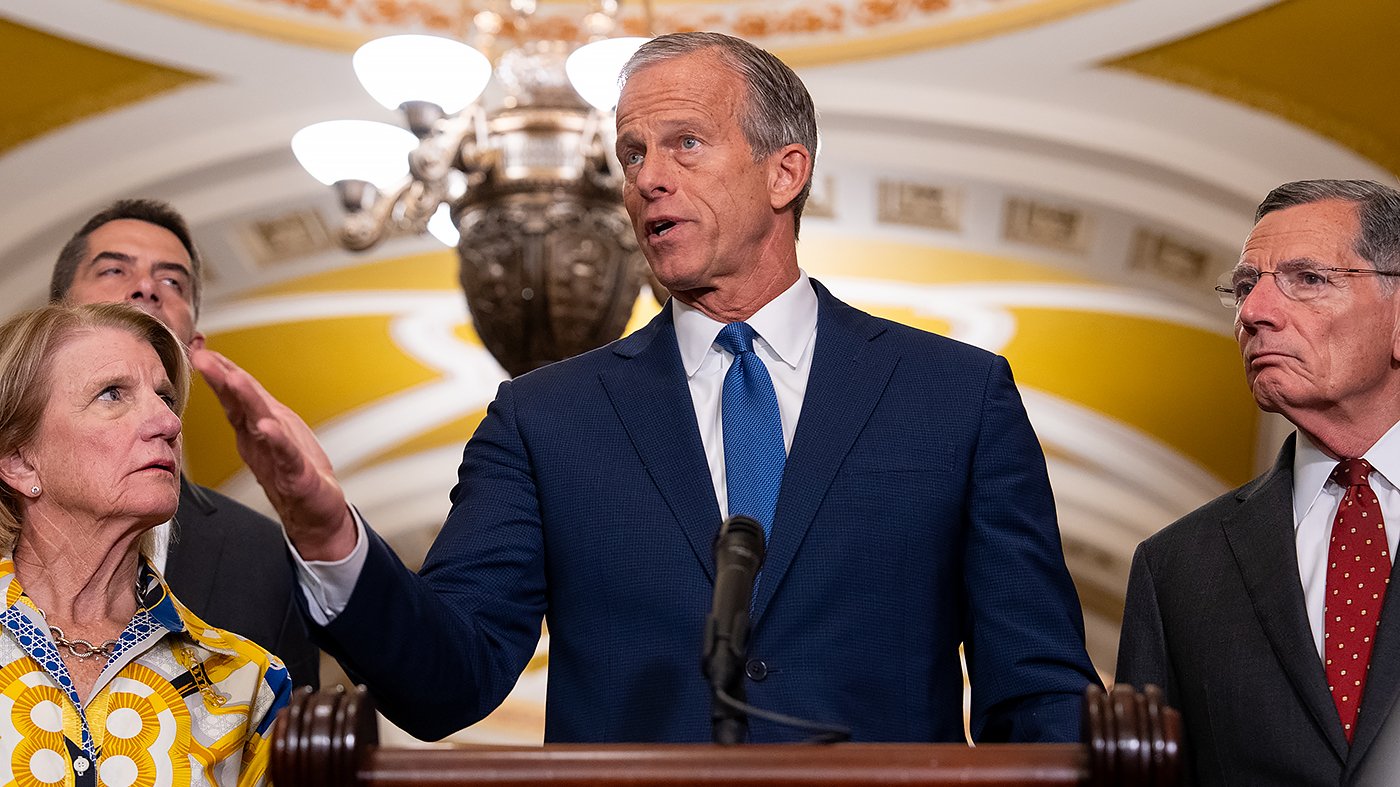
The Senate wrapped up a marathon session early Saturday morning, passing a continuing resolution to keep the federal government funded through December 11 and confirming Todd Blanche as attorney general. Senators then scattered for a five-week recess, leaving a stack of unfinished business—including President Trump's push for a new budget resolution and the SAVE America Act—on the table until September 14.
The stopgap spending bill, which passed 90-6, removes the immediate threat of a government shutdown before the midterm elections, a relief for both parties. The lone "present" vote came from Sen. Darline Graham (R-S.C.), who abstained because the bill includes a death benefit provision for her brother Sen. Lindsey Graham's (R-S.C.) heir.
Before the recess, the Senate also confirmed Blanche as attorney general in a 50-49 vote, with Sens. Susan Collins (R-Maine) and Lisa Murkowski (R-Alaska) joining all Democrats in opposition. Both cited concerns about the Justice Department's independence under Blanche's leadership. Collins said his actions as deputy attorney general had "further eroded the department's independence," while Murkowski argued that politicization and weaponization have "accelerated." The confirmation was secured when Sen. Bill Cassidy (R-La.), who had been undecided for weeks, announced his support on Friday morning. "All considered, I will vote for Mr. Blanche," he said, adding, "I will be criticized for this vote. What's new?"
The path to recess was not smooth. Senate Republicans had to navigate an internal fight over a provision delaying the implementation of a ban on intoxicating hemp-derived products, which the White House had insisted on including in the funding bill. Sen. Ted Budd (R-N.C.) pushed for a vote to strip the language, but the Senate voted 61-32 to table it.
Conservatives, led by Sen. Ron Johnson (R-Wis.), initially demanded that the Senate stay in session until it passed a budget resolution to set up a third reconciliation bill for military spending and the SAVE America Act—Trump's top legislative priority. But with the resolution unlikely to secure 50 votes, Johnson, along with Sens. Mike Lee (R-Utah) and Rick Scott (R-Fla.), negotiated with Trump to allow the Senate to adjourn without action. "There was a concern whether or not it could actually pass, the budget resolution, tonight," Johnson admitted.
Instead, GOP leaders agreed to schedule a vote on Sen. Jon Husted's (R-Ohio) bill requiring photo ID for federal elections. That measure fell short, receiving 52 votes against the 60 needed to advance. Lee said he was satisfied with the agreement and would not force a politically difficult adjournment vote. "We're not in a position right now where we have the wherewithal to pass it right now," he said of the SAVE America Act.
The Senate also punted on a bill to establish rules for college athlete compensation and recruitment, a measure that had become a sticking point. Majority Leader John Thune reached a deal with Sen. Ted Cruz (R-Texas) to postpone action until September, clearing the way for a series of overnight votes to finish the funding bill and Blanche's confirmation.
The five-week recess gives senators time to campaign or travel, but the unresolved agenda—particularly the budget resolution and the SAVE America Act—will loom over the fall session. As Senate leaders sought a deal on spending and recess, Trump's allies pushed for more, but the chamber ultimately left without delivering on the president's priorities. The pre-recess scramble highlighted the challenges of governing with a narrow majority, and the Cassidy decision proved crucial to Blanche's confirmation.