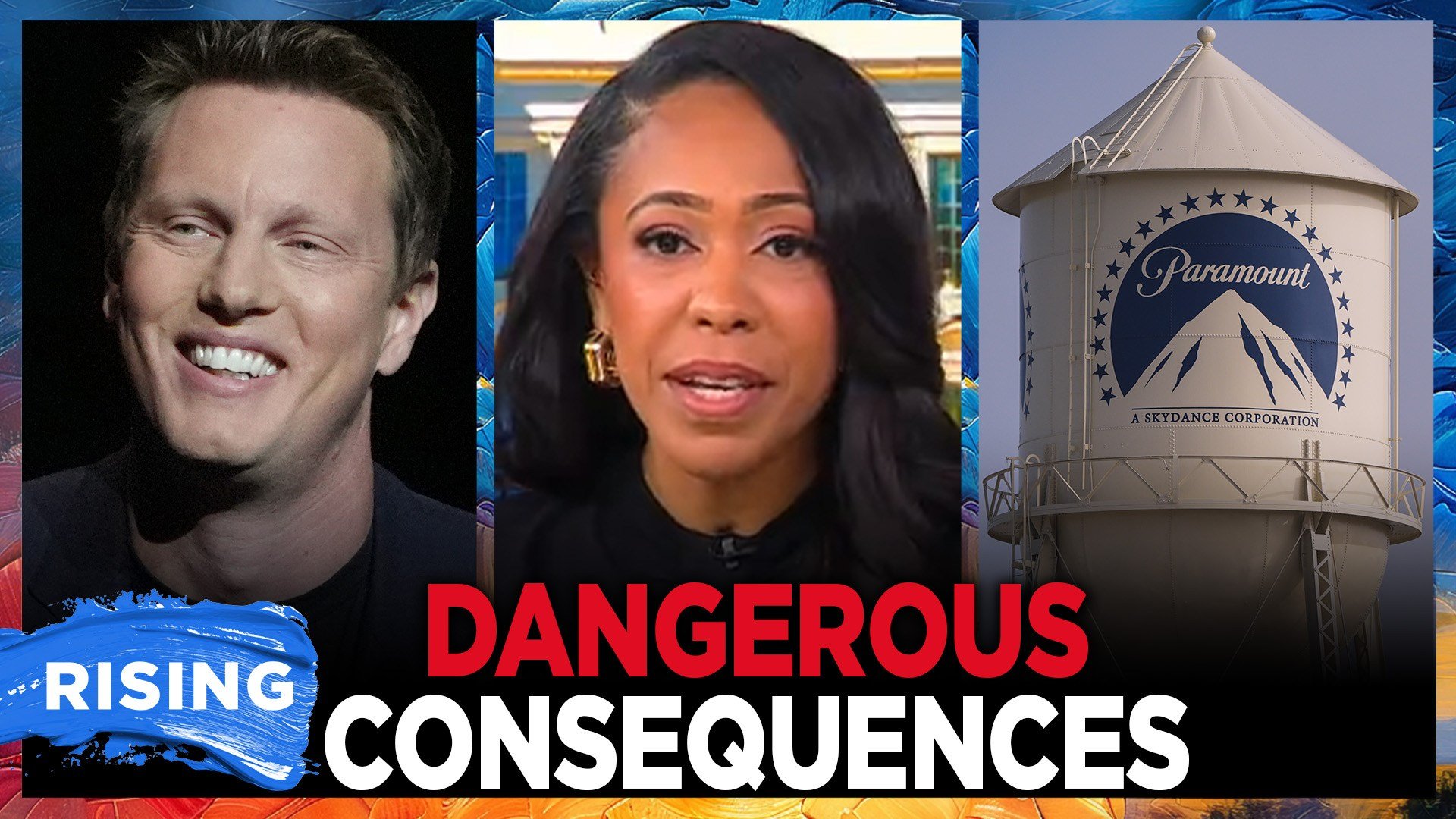
Paramount has cleared a major regulatory hurdle in its proposed $110 billion merger with Warner Bros. Discovery, after reaching a settlement with California and 11 other states that had sued to block the deal. The agreement, announced this week, brings the two entertainment conglomerates closer to finalizing a combination that would reshape the American media landscape.
According to reports, the settlement includes commitments from Paramount to establish independent editorial boards for CNN and CBS, and to invest in domestic film production. The company also faces a $30 million penalty for each film it fails to release theatrically, should it fall short of its pledge to distribute 30 movies per year. The deal also includes protections for California-based production and studio operations.
Paramount also reached a separate settlement with the Writers Guild of America, which had sued to stop the merger on grounds that it would suppress writer pay and worsen working conditions. Despite these agreements, critics argue that the consolidation will have far-reaching consequences for the industry and the public.
The merged entity would control a vast portfolio of iconic assets, including Paramount Pictures, CBS, Warner Bros., HBO, HBO Max, CNN, and BET. This concentration of media power has raised alarms among consumer advocates and industry watchdogs.
Paramount has told investors it expects approximately $6 billion in cost savings from the merger. However, in the media sector, efficiency often translates into immediate job cuts. The impact would not be limited to writers and actors but would extend to editors, camera operators, producers, production assistants, and other behind-the-scenes workers.
New York City Mayor Zohran Mamdani has been a vocal opponent, stating earlier this year: “This is not a merger that serves the public. It would hand one company nearly a third of the movies and cable channels Americans watch, raise prices for streaming and cable, endanger the livelihoods of thousands of New York artists and entertainment workers, and threaten to shutter theaters across our city.”
Opponents have continued to protest, with a “Block the Merger” rally held in New York just yesterday. Even if job losses are not a concern, the question of who controls the media Americans consume remains a pressing issue. The Federal Communications Commission recently approved a structure allowing sovereign wealth funds from Saudi Arabia, Qatar, and the UAE to hold up to 49.5 percent of Paramount’s equity, meaning foreign governments could become major financial stakeholders in a company that owns significant American television and news properties.
Paramount is racing to complete the deal before a financial deadline: the company faces a roughly $7 million-per-day fee to Warner Bros. shareholders after September 30 if the transaction is not finalized. But as the company pushes forward, the ultimate losers, according to critics, will be ordinary Americans.