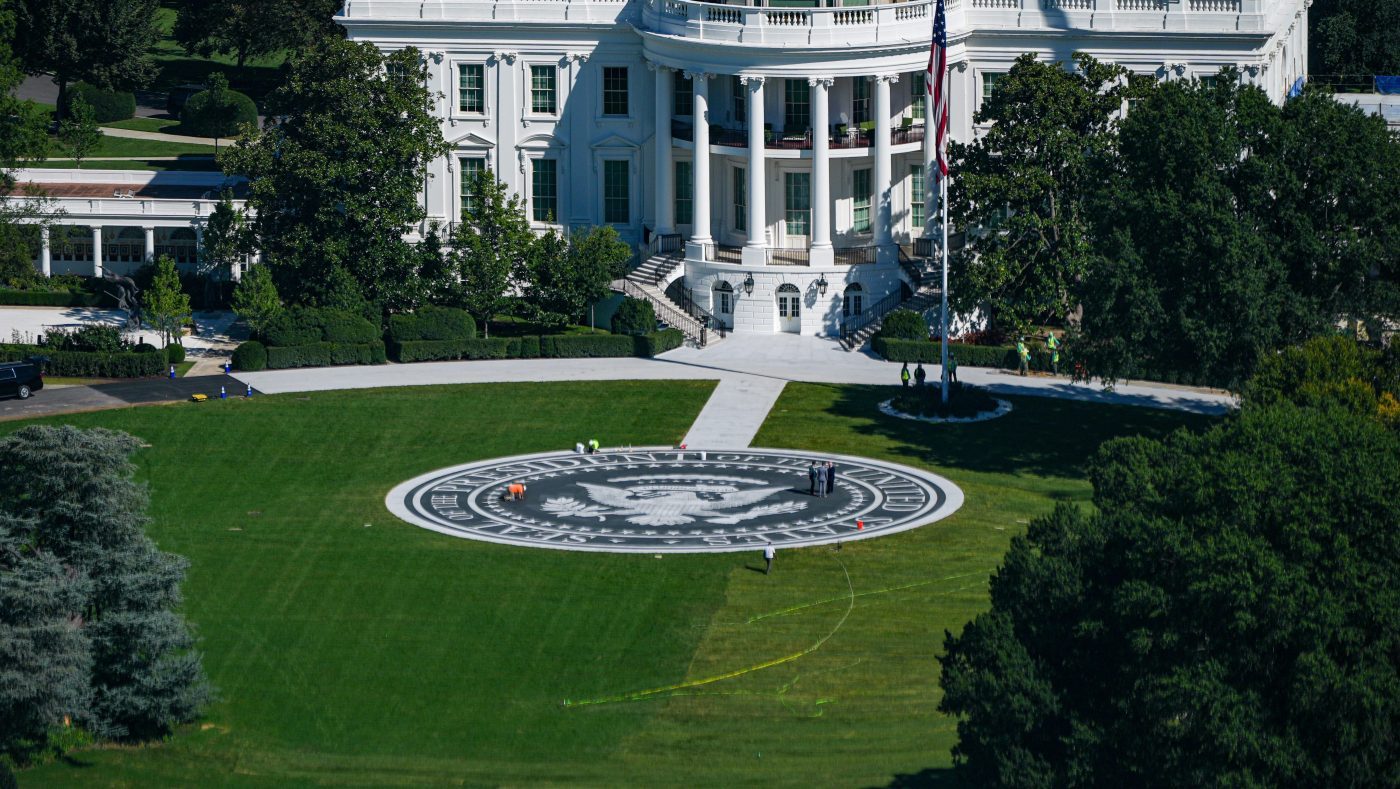
President Trump's ribbon-cutting ceremony for the new South Lawn helipad on Monday was nearly inaudible in live coverage, a direct consequence of the ongoing standoff between the White House and major television networks. The event, meant to showcase a new walkway and helipad, was marred by the absence of the traditional TV pool cameras, leaving microphones unable to capture the President's remarks clearly.
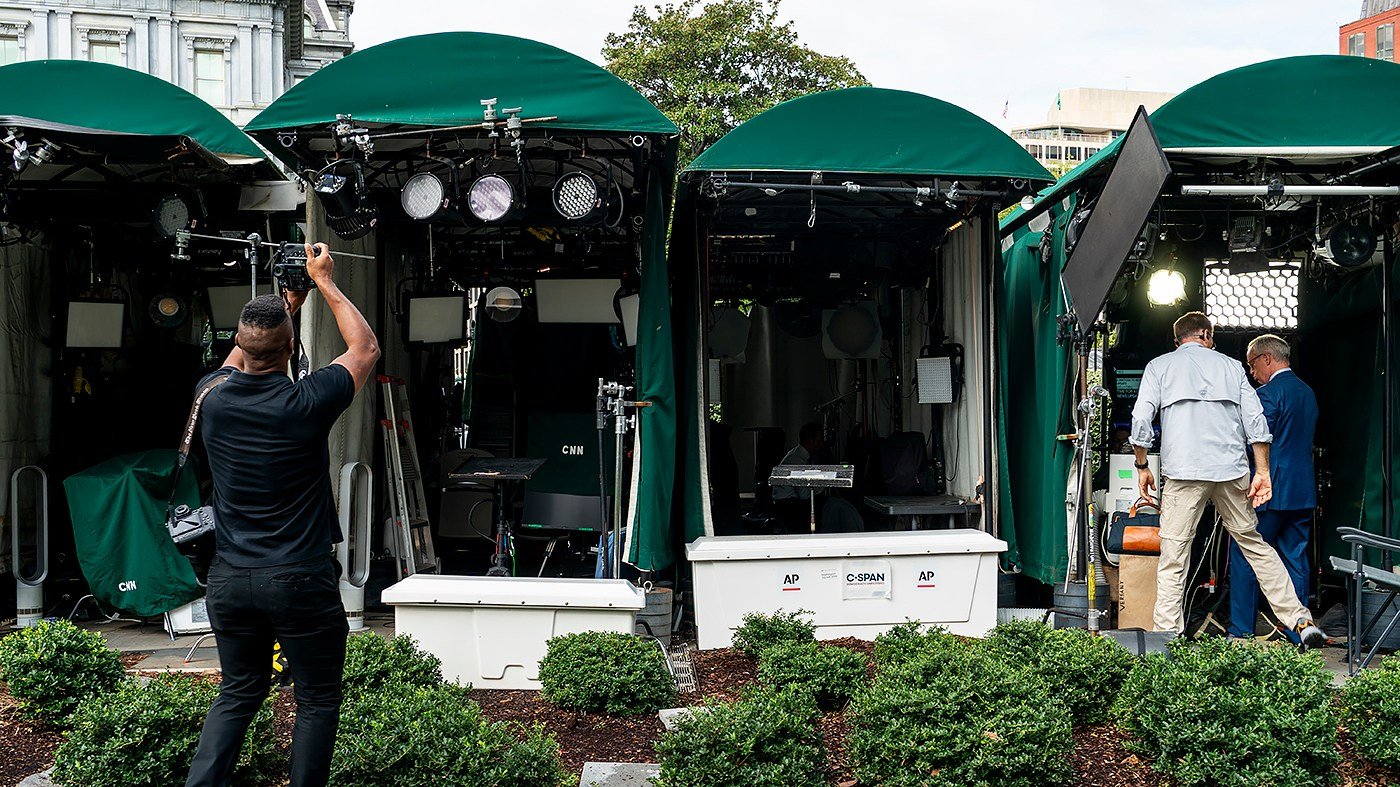
The audio failure came hours after Fox News, CBS, ABC, and NBC announced they would not participate in the rotating television pool that provides live feeds of presidential events. This boycott was a response to Trump's decision last week to bar CNN, MSNBC, and Politico from White House grounds, a move that has escalated into a legal battle over press freedom.
During the ceremony, Trump was seen cutting a ribbon and chatting with construction workers, but his words were lost to viewers. A host on the conservative outlet Newsmax noted the irony, saying, "This is one example of it backfiring just a little bit." Even a microphone from NewsNation, The Hill's sister station, failed to pick up clear audio.
The networks' refusal to staff the pool is unprecedented, leaving the White House without its usual broadcast infrastructure for the event. CNN had been scheduled to serve as the out-of-town pool for Trump's upcoming trip to New York for the United Nations General Assembly, but that arrangement is now in doubt.
Earlier Monday, CNN, MSNBC, and Politico announced they were filing a lawsuit against the administration over the credential revocations. In a joint statement, the outlets said, "This morning, we notified the government that we are filing a lawsuit today to protect our First Amendment rights and defend the principle that the government does not decide what the press reports or publishes." They added, "Without notice or process, the White House revoked our journalists' credentials because it objected to our reporting. Left unchallenged, this threatens press freedom and the public's right to independent journalism free from government interference."
Trump defended his action on Truth Social, framing it not as an assault on the free press but as an attack on "FAKE NEWS." This justification has drawn sharp criticism from press advocates and some lawmakers, who see it as a dangerous precedent. The legal challenge and the network boycott highlight a growing rift between the administration and the media, a development with significant implications for press access and accountability.
The helipad ceremony was intended to be a routine event, but it instead became a symbol of the administration's contentious relationship with the press. The lack of audio was a tangible reminder of the consequences when the White House and the media clash. As the lawsuit moves forward, the question of whether the government can pick and choose which outlets cover the president remains a central issue, one that could reshape White House press operations for years to come.
Meanwhile, Vice President JD Vance has publicly backed Trump's ban, calling it "totally appropriate," a stance that has further polarized the debate. The networks' boycott is a rare show of unity among competitors, signaling that the press corps is willing to push back against what it sees as an overreach. The coming weeks will likely see more legal wrangling and potential compromises, but for now, the helipad's debut was overshadowed by the silence of a press corps that chose not to amplify the President's words.