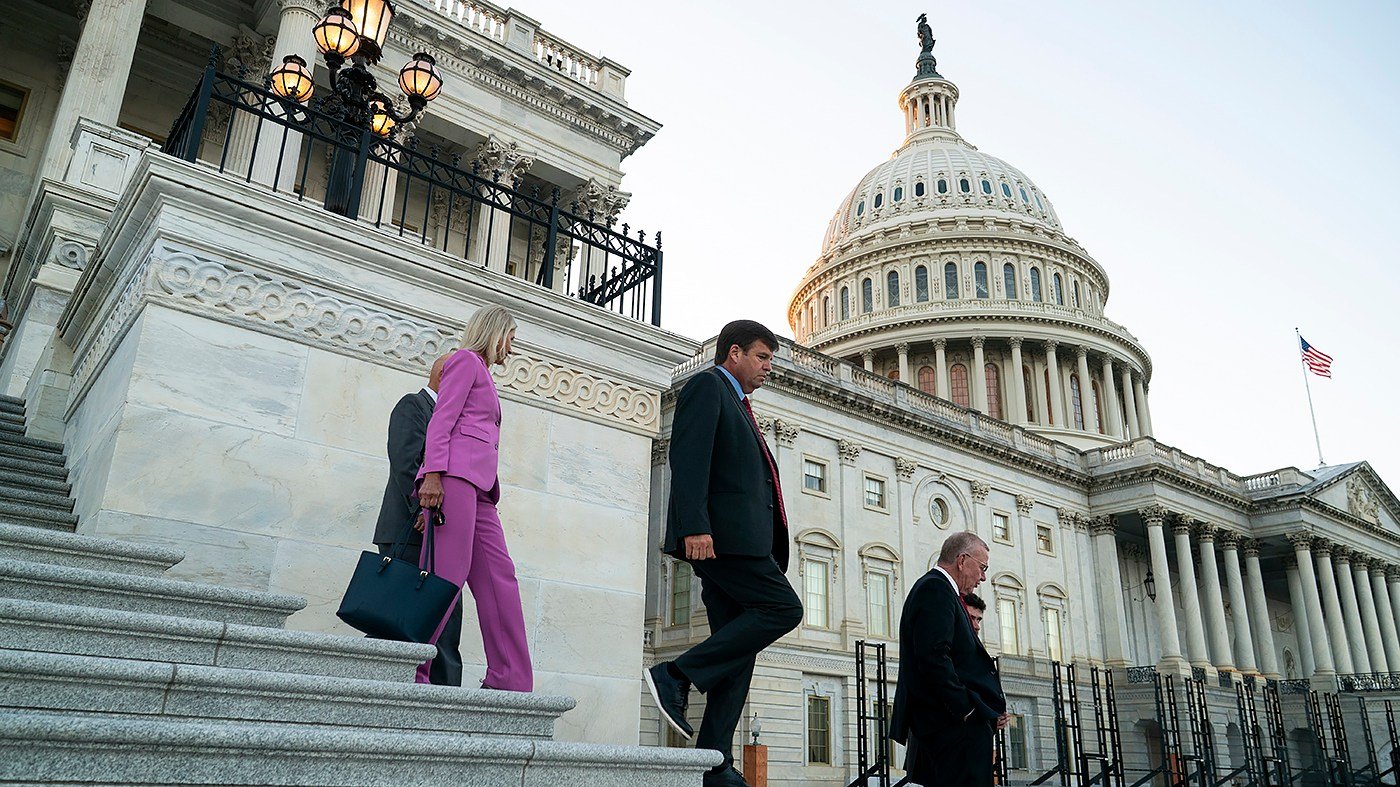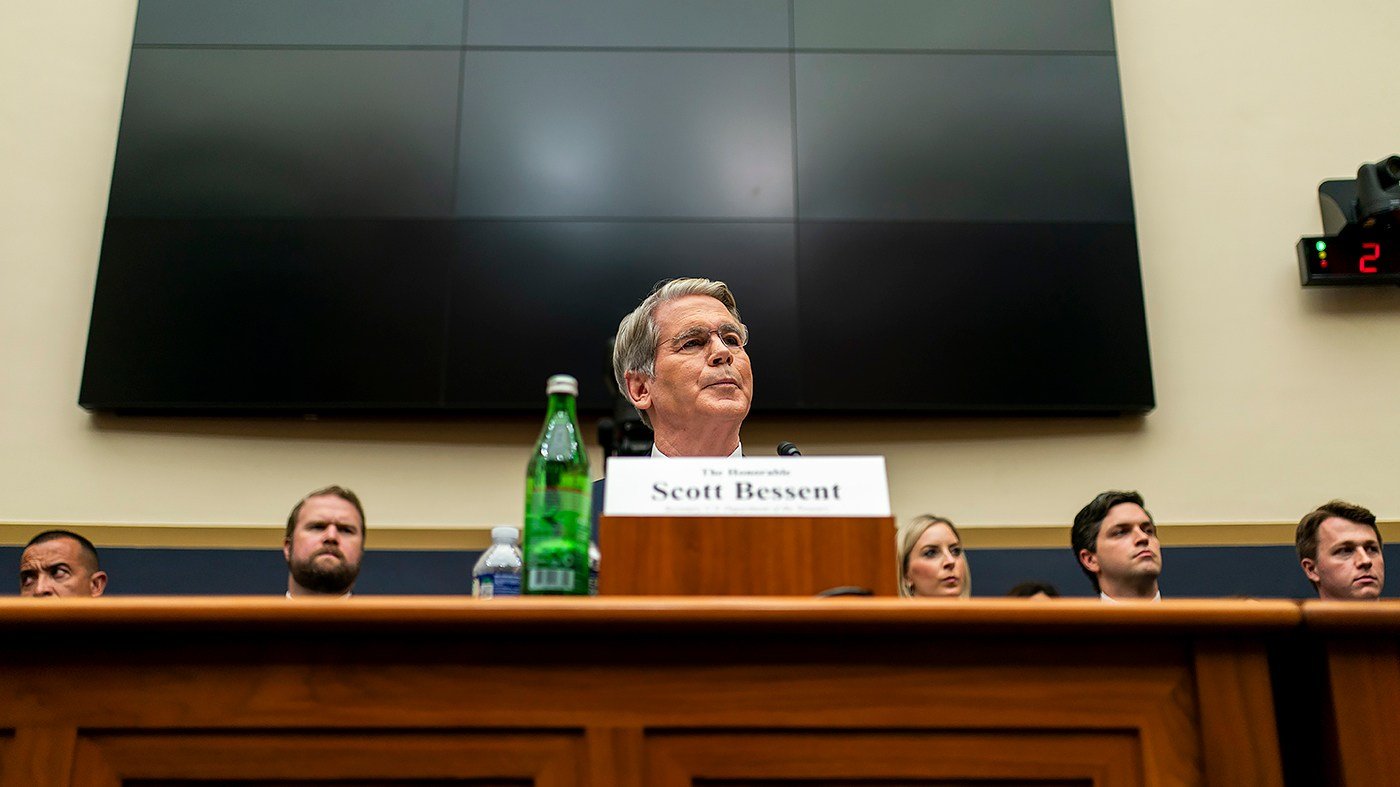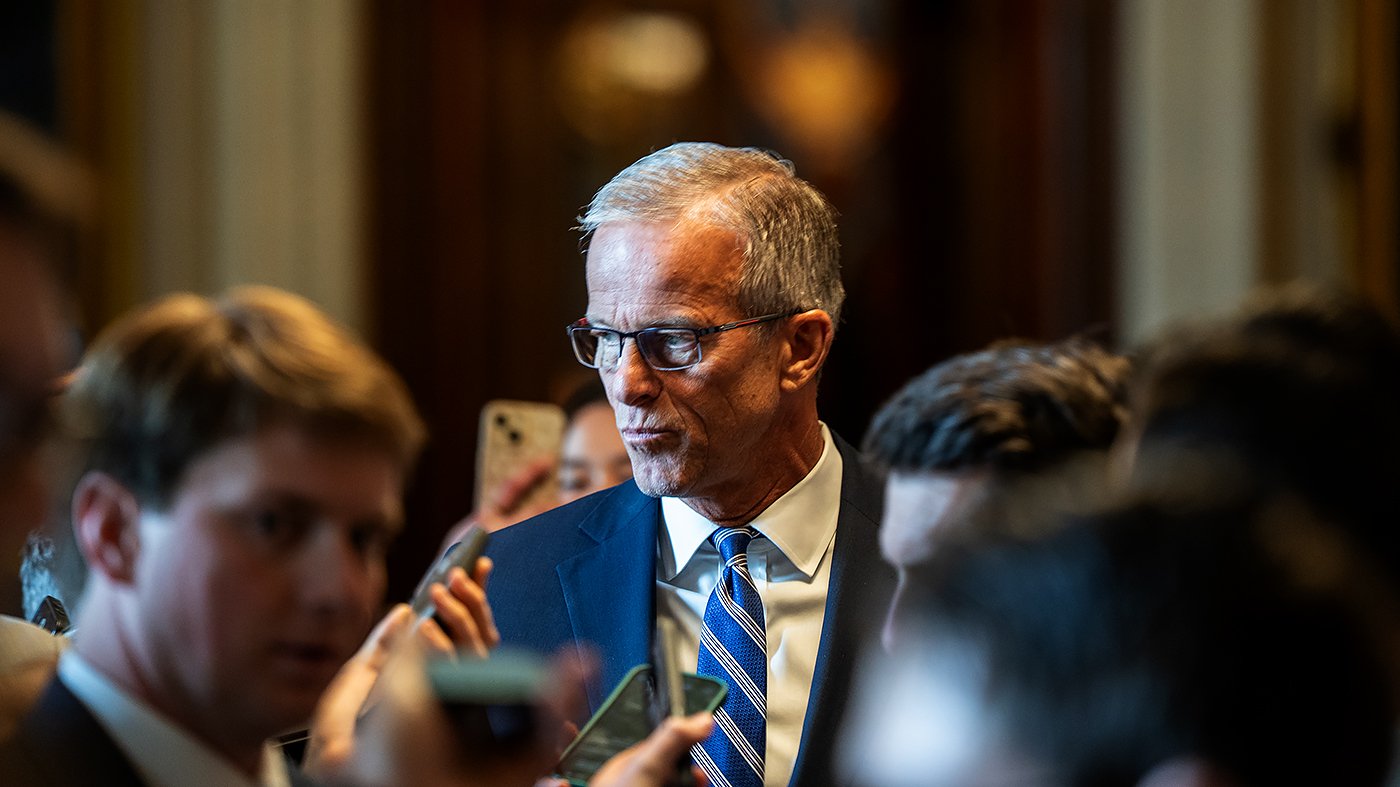
The Senate is bracing for a marathon session on Friday as lawmakers scramble to clear a crowded agenda before the traditional August recess. With the clock ticking, the chamber is slated to vote on a batch of nominations and legislative items that have been piling up.
At the top of the list is the confirmation of acting Attorney General Todd Blanche to lead the Justice Department on a permanent basis. Blanche, who has been serving in an interim capacity, has faced resistance from some Republican senators, causing delays in his nomination. The nomination has wobbled amid concerns, but leadership is pushing for a vote to avoid leaving the post in limbo during the recess.
Alongside Blanche, the Senate will consider a package of Russia sanctions legislation originally introduced by the late Sen. Lindsey Graham (R-S.C.). The measure aims to tighten the screws on Moscow and has bipartisan support, though its timing and scope have been subject to negotiation.
Lawmakers will also weigh in on a continuing resolution to keep the government funded into the fall, a necessary step to avoid a shutdown when the fiscal year ends. Additionally, the Protect College Sports Act, which seeks to establish federal standards for college athlete compensation, is on the docket.
Notably absent from Friday’s lineup is the SAVE America Act, a voter ID bill that President Trump has aggressively championed. Despite White House pressure, Senate leaders have opted to leave it off the schedule, a decision that underscores the delicate balancing act for Senate Republicans as they try to appease the former president while managing their legislative calendar.
The first votes are expected to begin at 11:30 a.m. EDT, with the possibility of a series of roll calls stretching into the afternoon. The chamber’s ability to complete its work hinges on cooperation from both sides, but with recess looming, the pressure is on to deliver.
Observers note that the spending and recess negotiations are fraught, as Trump allies push for additional items that could complicate the timeline. The decision to omit the voter ID bill may invite criticism from the right, but it also reflects the practical realities of a divided Senate.
As the day unfolds, all eyes will be on the Senate floor, where the outcomes could shape the final stretch of the legislative session and set the stage for the fall’s political battles.