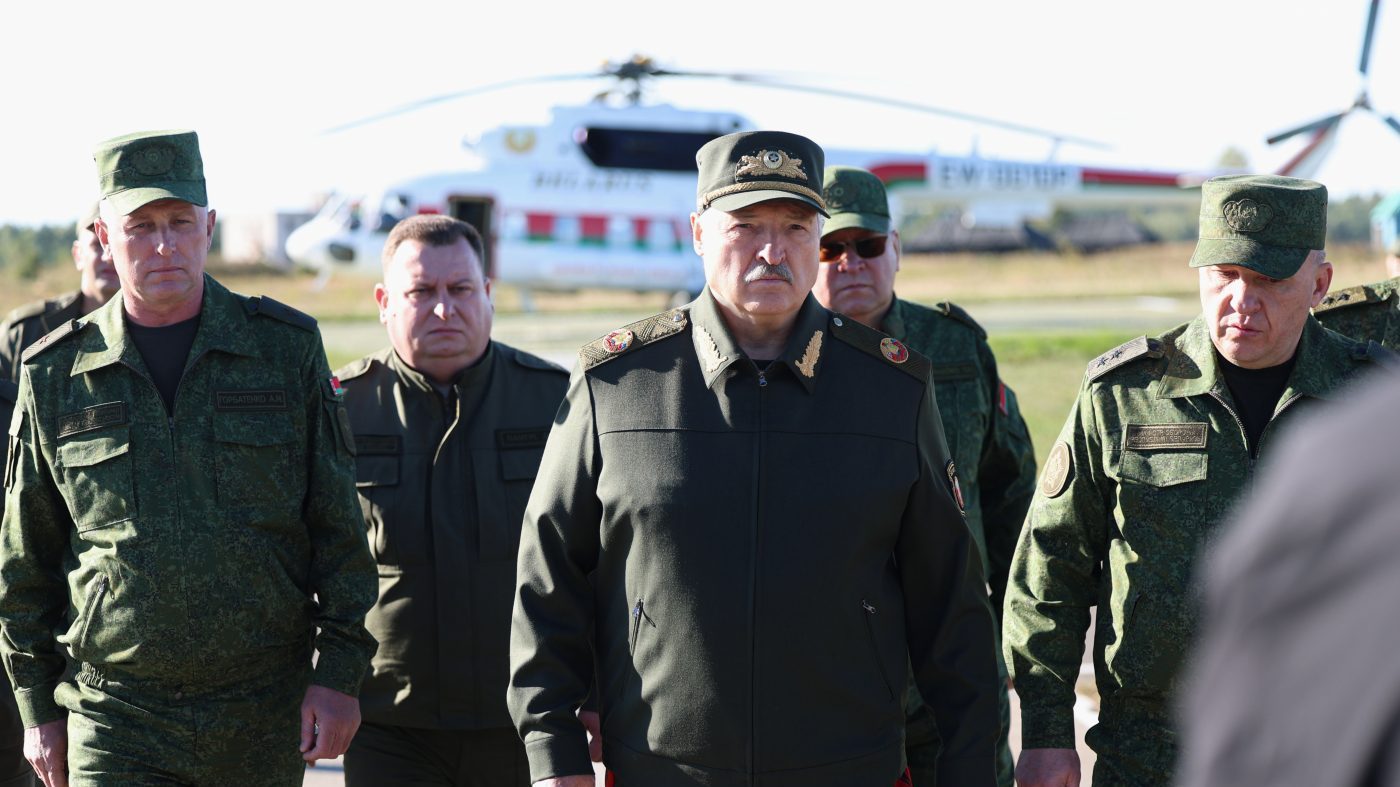
Belarusian President Alexander Lukashenko on Monday poured cold water on President Trump's claim that Washington was negotiating a massive potash purchase from Minsk, saying the country has no spare fertilizer to ship to the United States.
"Even if we wanted to supply [potash] to other, Western markets, we simply do not have those volumes — everything is contracted," Lukashenko said in remarks released by his office, directly contradicting Trump's social media post that the U.S. was working on a "massive Deal" to buy potash from Belarus at a steep discount.
Trump's announcement, made on Truth Social, framed the potential purchase as "very good news for our Farmers and Ranchers," claiming the pricing would be "substantially less than we are currently paying to Canada." The U.S. president's overture comes amid an escalating trade war with Canada, though Canadian potash remains exempt from U.S. tariffs.
Potash is a critical fertilizer ingredient, and Canada supplies roughly 80% of U.S. potash imports, according to The Canadian Press. The global fertilizer market has been strained by multiple conflicts, including Russia's war in Ukraine, U.S.-Iran tensions, and the closure of the Strait of Hormuz, driving up prices and raising concerns about supply security.
The apparent disconnect between Trump and Lukashenko highlights the complex and often contradictory nature of the Trump administration's engagement with Belarus. For over a year, Trump's special envoy, John Coale, has been leading a charm offensive aimed at securing the release of political prisoners in exchange for sanctions relief.
Coale's efforts have secured freedom for hundreds of detainees, including a Nobel Peace Prize laureate and the husband of the internationally recognized winner of Belarus's disputed 2020 presidential election. However, critics say Lukashenko is running a "carousel" — releasing some prisoners while quietly arresting new opponents to maintain his grip on power.
Last week, Coale met with Lukashenko and obtained the release of 25 prisoners, far fewer than the 200 he had predicted. Human rights monitors and freed dissidents have accused Lukashenko of simply swapping one set of political prisoners for another, a charge the Belarusian leader denies.
In a statement following his meeting with Coale, Lukashenko insisted, "There are no political prisoners in Belarus," a claim widely dismissed by international observers. Lukashenko, often dubbed "Europe's last dictator," faces sweeping international sanctions for his brutal crackdown on protests after the 2020 election and for his support of Russian President Vladimir Putin's war in Ukraine.
The potash dispute underscores the fragility of the administration's approach to Belarus, as Trump's transactional diplomacy clashes with the reality of Lukashenko's long-standing alignment with Moscow and his history of using political prisoners as leverage.
As the trade war with Canada continues, the question remains whether the U.S. can secure alternative potash supplies from Belarus — or whether Lukashenko's denial signals yet another failed promise in the administration's broader strategy toward the region.