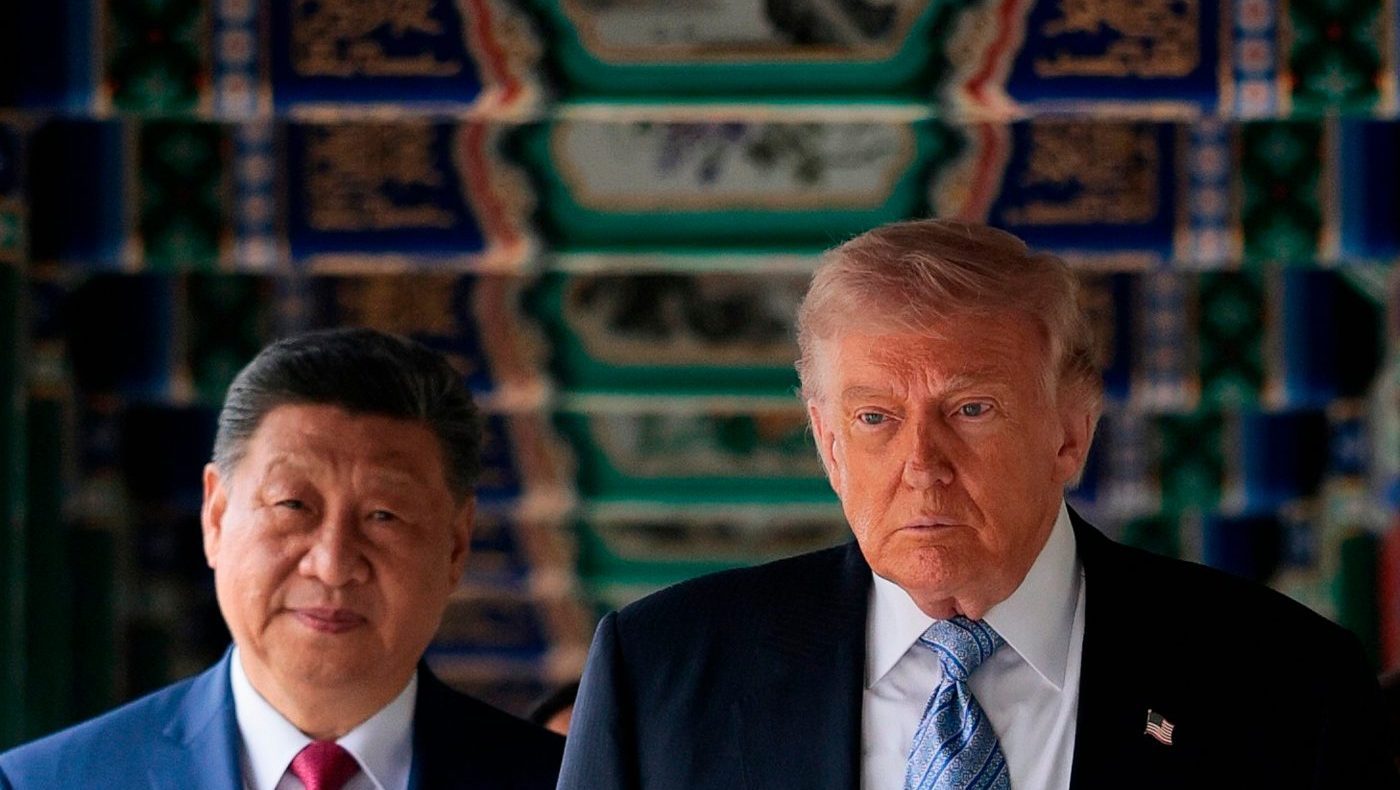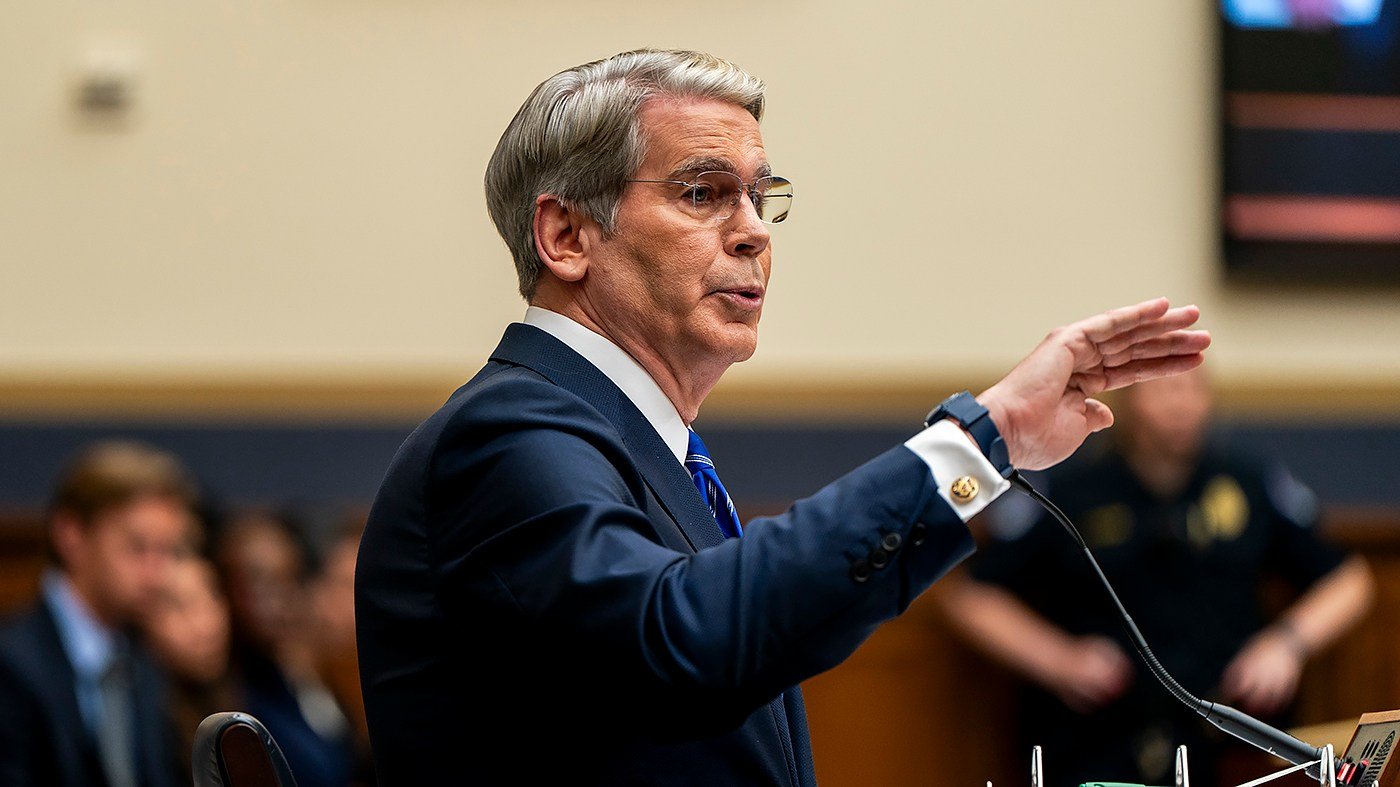
Treasury Secretary Scott Bessent said Monday that American and Chinese officials are weighing a reduction in tariffs on “noncritical” products, just days before President Donald Trump is set to host Chinese President Xi Jinping in Washington.
In a CNBC “Squawk Box” interview, Bessent revealed that negotiators had “floated” a proposal to lower duties on roughly $30 billion worth of goods that each country imports from the other, a concept first raised during the May summit in Beijing. He added that U.S. Trade Representative Jamieson Greer and his delegation spent most of Sunday in New York in talks with Chinese officials, where the idea was discussed further.
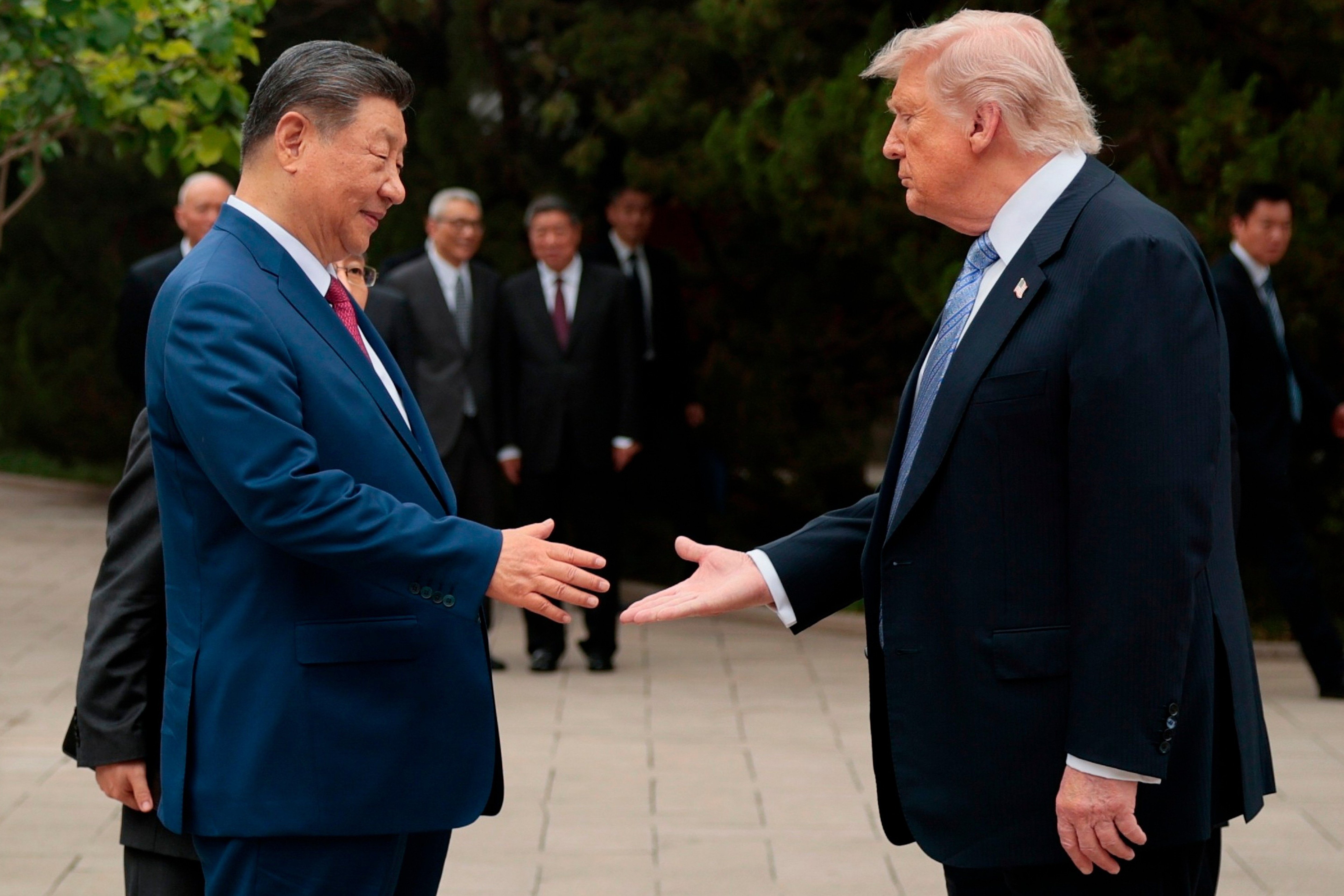
Bessent explained that the goal is to identify products that are “noncritical” to both sides and bring their tariffs down to most-favored-nation levels—the standard rates Washington and Beijing apply to most other trading partners. Under such an arrangement, American businesses would gain greater access to China’s market for agricultural goods and energy-related products, he said.
The development comes as Trump and Xi prepare to meet later this week, less than five months after their last encounter in Beijing. That earlier meeting ended without an extension of the trade truce that had been brokered in October, under which the president eased tariffs on Chinese imports in exchange for Xi’s commitment to maintain exports of critical minerals. That agreement is set to expire on November 10.
Greer, appearing on “Bloomberg Surveillance” on Monday, described the New York discussions as “positive” and “constructive,” but he also struck a cautious note, accusing China of restricting rare earth exports and cautioning that it would be “naive” to assume “full trust and full confidence” between the two nations. When asked whether he supported a three- to six-month extension of the truce, Greer replied, “That’s probably the right kind of range.”
The ongoing trade friction has already reshaped the bilateral economic relationship. According to U.S. Census Bureau data, the trade deficit with China fell to under $202.7 billion last year, the lowest level since 2005. Through July of this year, the deficit stands at roughly $91.2 billion, putting it on track to shrink further.
The potential tariff relief on nonessential goods could provide a modest opening in an otherwise tense trade relationship. However, officials on both sides remain wary, and the upcoming summit will test whether the two governments can translate preliminary discussions into a lasting deal. For more on the broader trade landscape, see how tariffs might reshape global trade rules.
Bessent, who has faced scrutiny in Congress over AI risks and bond market movements, is expected to play a central role in any final agreement. The administration has also signaled it will continue to use tariffs as leverage in other disputes, including potential actions against the EU over Canada's membership bid.
As the clock ticks toward the November 10 deadline, all eyes will be on Washington to see whether Trump and Xi can bridge their differences or whether the trade truce will lapse, potentially reigniting a broader tariff war.