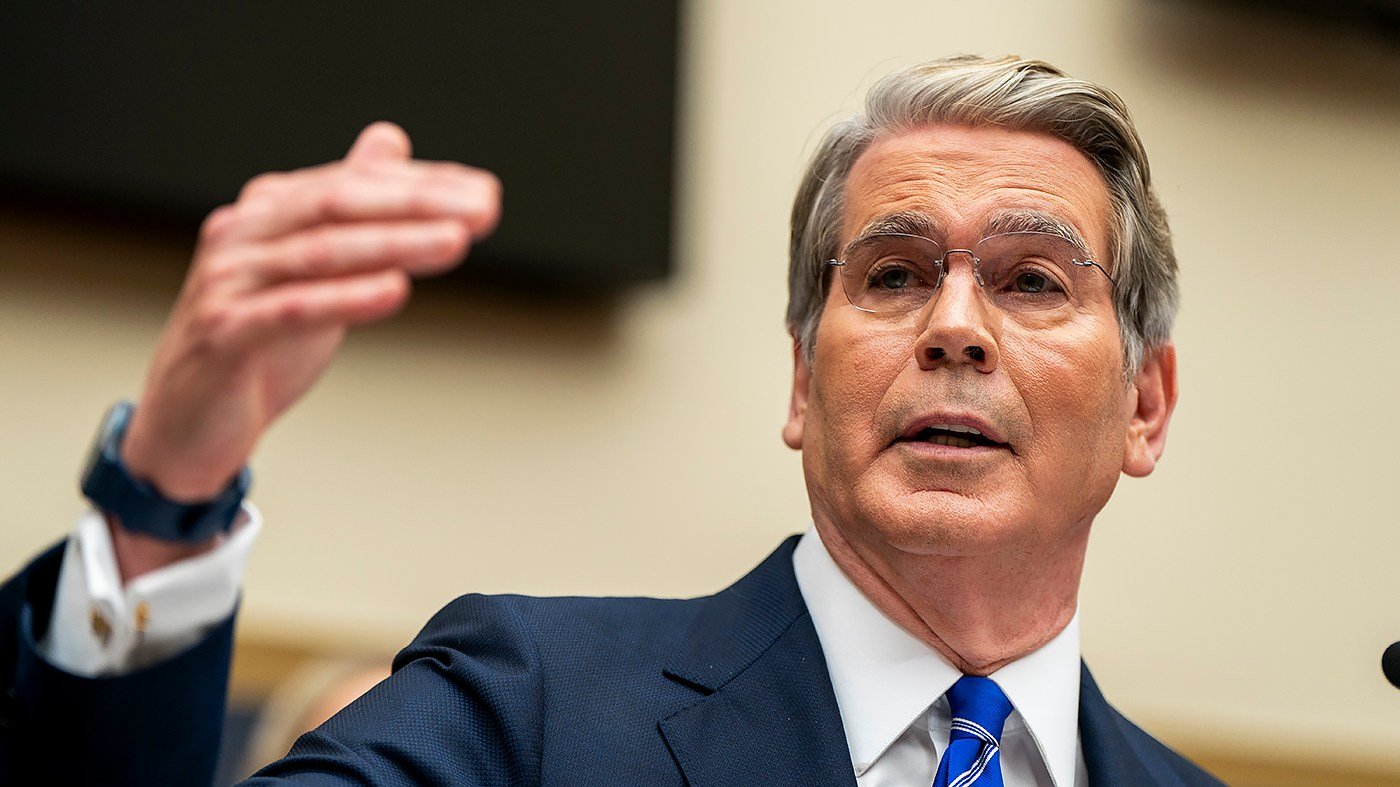
Treasury Secretary Scott Bessent faced a combative House Financial Services Committee on Tuesday, with Democrats pressing him on the risks of unchecked artificial intelligence and the administration’s intervention in a jittery bond market. The nearly three-hour session underscored growing unease on Capitol Hill over two of the most consequential issues confronting the Trump administration.
AI safety concerns dominate Democratic questioning
Lawmakers on the left, led by ranking member Maxine Waters (D-Calif.), repeatedly challenged Bessent on whether the administration is doing enough to rein in the rapid development of AI. Waters cited warnings from tech billionaires and industry leaders—including Bill Gates, Elon Musk, and Anthropic CEO Dario Amodei—who have called for a pause in model training amid fears of existential risk.
“Did you hear what your friends had to say? What the big billionaires had to say? Did you understand that they said, ‘We’re moving into a dangerous period of time. We need to watch it. We need to slow down.’ Did you hear that?” Waters asked, cutting off Bessent’s initial response.
Bessent countered that the administration has been “at the forefront of examining” AI models under a voluntary testing framework with the Commerce Department’s National Institute of Standards and Technology. He also echoed President Trump’s stance that the U.S. must outpace China in the AI race, a position the president reiterated on Truth Social, dismissing what he called a “SICK conspiracy” against AI and data centers.
Rep. Stephen Lynch (D-Mass.) pushed back hard, arguing that U.S.-China competition may be beside the point. “If you don’t have control of [an AI model], and it has preferences and goals that are inimical to the existence of humanity, it won’t matter,” he said. Lynch urged Bessent to “talk sense to the president” about the threats, but Bessent insisted that leadership in the AI race “matters a great deal.”
Bond market intervention under fire
The hearing also came as the 10-year Treasury yield hit its highest intraday level since July 2007, topping 5.04% on Tuesday morning. Bessent has moved to calm the market by tripling the Treasury’s buyback limit in the 10- to 20-year sector, from $2 billion to $6 billion, and the department executed nearly $5.2 billion in purchases on Thursday.
Rep. Jim Himes (D-Conn.) slammed the move as an unnecessary intervention. “I can think of no administration in the last 50 years that is quite as communist as the Trump administration,” Himes said, drawing a sharp contrast with the administration’s free-market rhetoric.
Himes noted that the 10-year yield had risen by nearly 20 basis points since the buyback plan was announced, questioning whether the policy was “successful.” Bessent defended the operations, calling the last two Treasury auctions “the two most successful” in 20 years and noting that U.S. bonds have been the best-performing in the developed world since Trump took office.
Protesters disrupt hearing
Bessent’s opening statement was interrupted twice by protesters. A woman shouted, “Stop the sanctions that are killing Iranian civilians,” holding a sign reading “Sanctions kill Iranians,” before being escorted out by Capitol Police. A second protester also disrupted the hearing, though details were not immediately available.
The protests highlighted the administration’s aggressive sanctions regime against Iran, which has targeted aviation, banking, and oil sectors—policies that have drawn criticism from human rights advocates who say they exacerbate civilian suffering.
The hearing underscored the widening partisan divide over both AI policy and economic management. Democrats are increasingly vocal in demanding safeguards, while the administration remains committed to a deregulatory, pro-innovation approach. Meanwhile, the bond market’s volatility continues to pose a challenge to the administration’s economic narrative.