A federal judge on Tuesday halted the Kennedy Center board's renewed push to place President Trump's name on the iconic performing arts venue, ruling that the board cannot proceed without congressional authorization. The decision marks the second time U.S. District Judge Christopher Cooper has intervened to stop the inscription and renaming efforts.
In a 22-page opinion, Cooper, an appointee of former President Barack Obama, found that the board's August resolution to add two inscriptions honoring Trump likely violated his earlier injunction. The proposed texts read: "renovated and restored by President Donald J. Trump" and "endowed by the Trump Kennedy Center Fund."
Cooper wrote that the board's action "bucks a federal court order and a statute Congress enacted." The ruling came just hours before the board was scheduled to meet Tuesday afternoon to consider closing the facility for repairs.
Representative Joyce Beatty, an Ohio Democrat who serves as an ex-officio board member and brought the challenge, praised the decision. "The law is extremely clear: The John F. Kennedy Center is named for President Kennedy — and no one else," Beatty said in a statement. "But President Trump is holding the Kennedy Center hostage unless he can put his name on this sacred memorial. The Court just rejected this proposal for the second time. This unlawfulness is as breathtaking as it is wrong, and it needs to stop."
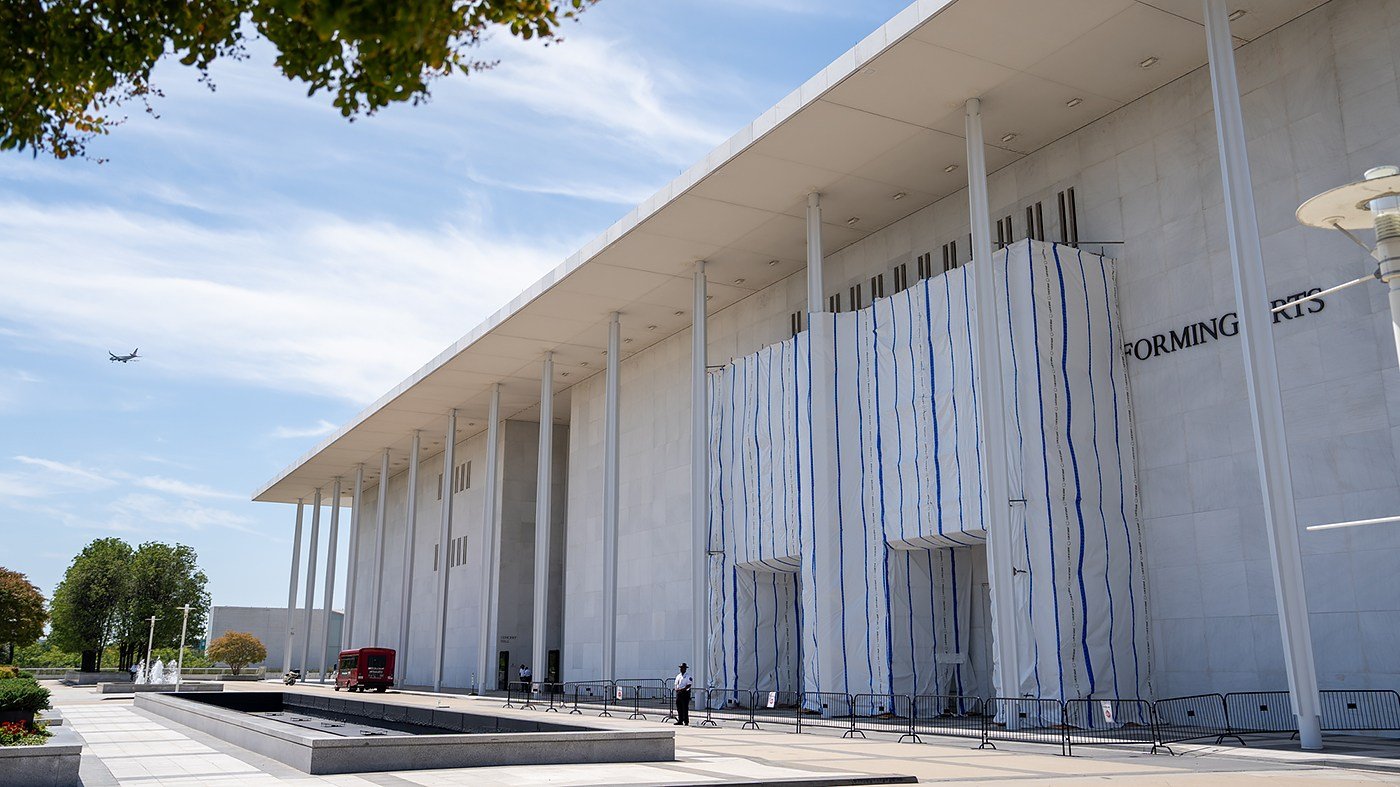
In late May, Cooper ordered Trump's name removed from the building's facade, concluding that the Trump-appointed board lacked the authority to rename the center. The Justice Department's attempts to pause that order failed, and workers stripped the lettering in the early hours of June 13, covering the area with a tarp.
The Justice Department has argued that the board is not renaming the institution but rather recognizing Trump's fundraising role, describing him as its "sole hope" for long-term survival. Officials have warned of "certain fiscal collapse" if the center cannot publicly acknowledge Trump's contributions, saying it could be weeks away from missing payroll or routine maintenance obligations.
A draft board resolution filed in court stated: "The Board understand that without such appropriate recognition it is unlikely that President Trump will provide the fundamental oversight of the renovation of the main building and lead the fiscal rescue of the Center."
Cooper's ruling reinforces that only Congress holds the power to alter the center's name, a point he made in his earlier decision. The dispute highlights the broader tensions between the Trump administration and cultural institutions, echoing similar clashes over presidential influence on the arts.
The Kennedy Center's financial struggles have been a recurring theme, with Trump's supporters arguing his involvement is essential to keep the venue afloat. Critics, however, view the naming push as an attempt to politicize a memorial dedicated to a Democratic president.
Tuesday's ruling does not permanently resolve the matter, but it sets the stage for further legal battles. The board could appeal or seek legislative action, though Congress remains divided along partisan lines.
For now, the Kennedy Center's facade remains without Trump's name, and the board's plans to add it are on hold. The decision is a setback for the president, who has often sought to leave his mark on Washington's landmarks, including the recent renovated White House helipad.
As the legal fight continues, the future of the Kennedy Center's naming remains uncertain, with the courts and Congress likely to have the final say. Beatty and other Democrats have vowed to keep challenging any attempts to rename the memorial, while Trump's allies argue that his contributions deserve recognition.