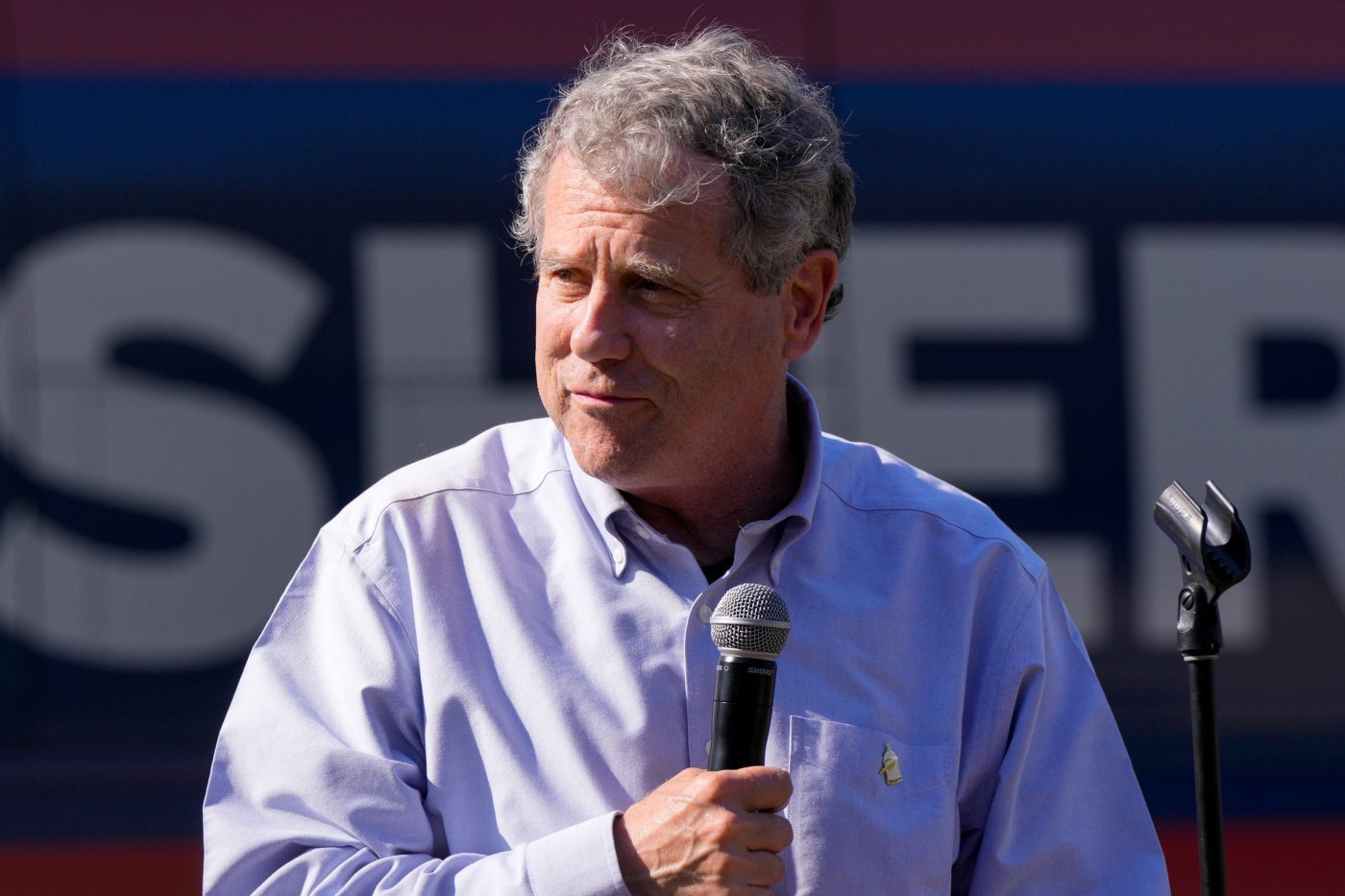
Fairshake, the cryptocurrency industry's leading super PAC, is injecting $30 million into Ohio's Senate race to block former Democratic Sen. Sherrod Brown from returning to Washington. The group confirmed the expenditure on Monday, escalating a political battle that pits the digital asset sector against one of its most prominent congressional skeptics.
Brown, who represented Ohio for nearly two decades before losing his seat in 2024, is locked in a tight contest with incumbent Republican Sen. Jon Husted. The outcome could tip the balance of power in the Senate, where Republicans currently hold a slim majority. The race has become a top target for both parties, and outside spending has already reached record levels.
Industry grudge match
The crypto industry has not forgotten Brown's tenure as chair of the Senate Banking Committee, where he frequently questioned the stability of digital assets and called for tighter oversight. In the 2024 cycle, Fairshake and allied groups poured roughly $40 million into Ohio to defeat Brown, helping propel Republican Bernie Moreno, a crypto entrepreneur, into the Senate. Now, with Brown attempting a comeback, the industry is doubling down.
"Sherrod Brown has been a consistent obstacle to innovation and consumer choice in digital finance," said a Fairshake spokesperson. "Ohioans deserve a senator who understands the future of the economy, not one stuck in the past."
Brown's campaign fired back, framing the spending as an attempt to buy influence. "Sherrod has always stood up to special interests, whether it's big banks or crypto billionaires," said a campaign aide. "Ohioans won't be fooled by millions in dark money."
Clarity Act collapse fuels the fight
The new ad blitz comes just days after the Senate rejected the Clarity Act, a long-sought industry priority that would have established a federal framework for digital asset regulation. The bill failed to advance past a procedural vote, with all Democrats and a handful of Republicans opposing it. Supporters had hoped to pass the measure before the midterms, but the defeat has left its future in doubt.
Industry insiders suggest the failure has only sharpened their political focus. As one lobbyist put it, "The legislative path is blocked for now, so we're going to make sure our allies are in office and our critics are not." The industry is now shifting its attention to regulatory agencies, as the SEC and CFTC take center stage in shaping crypto policy.
Money and momentum
Fairshake reported $108 million in cash on hand at the end of August, giving it ample resources to deploy in the final weeks of the campaign. The group has already reserved significant airtime in Ohio, and political analysts expect the race to be one of the most expensive in the country.
The spending also reflects a broader strategy: the crypto industry is seeking to solidify its influence across both parties. While Fairshake has backed Republicans in key races, it has also supported Democrats who take a favorable view of digital assets. The ethics standoff that sank the Clarity Act has only intensified the industry's determination to reshape Congress.
For Brown, the flood of outside cash is a familiar challenge. In 2024, he was outspent by a wide margin, and his defeat was attributed in part to the crypto sector's targeted campaign. This time, he is hoping that a stronger ground game and a focus on economic issues will carry him through. But with sky-high fuel costs and international tensions widening the Senate map, the political environment remains volatile.
As the midterms approach, the Ohio race has become a proxy war over the future of digital assets in American politics. The outcome will not only determine who represents the Buckeye State but also signal whether the crypto industry's political muscle can deliver decisive results. With six weeks to go, both sides are preparing for a bitter fight.