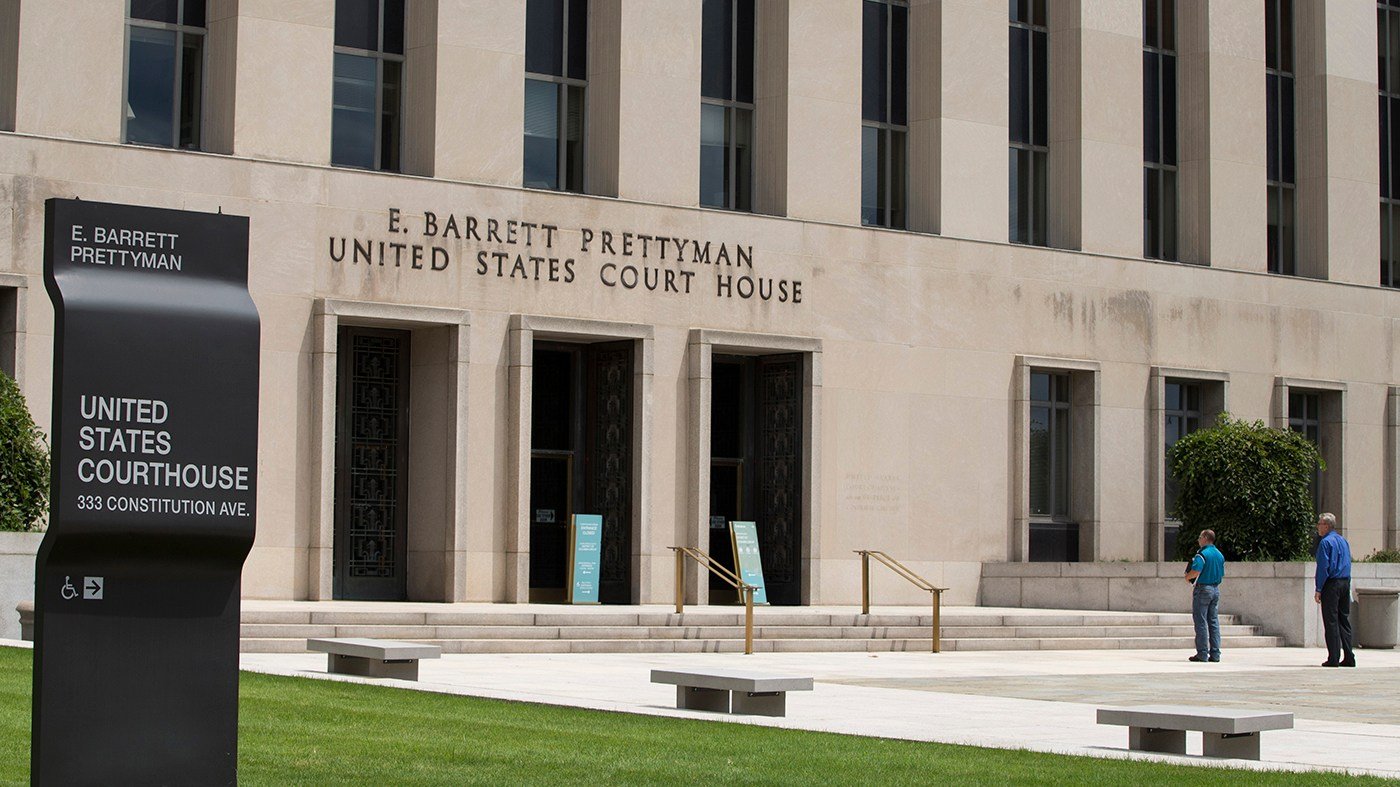
Three major news organizations—CNN, MSNOW, and Politico—announced Monday that they are taking legal action against the Trump administration following the revocation of their White House press credentials. The outlets say the ban, imposed without prior notice or a hearing, is a direct assault on press freedom and the First Amendment.
In a joint statement, the organizations said they notified the government of their intent to sue, framing the lawsuit as a defense of the constitutional guarantee that the government cannot dictate what the press reports. “This morning, we notified the government that we are filing a lawsuit today to protect our First Amendment rights and defend the principle that the government does not decide what the press reports or publishes,” the statement read.
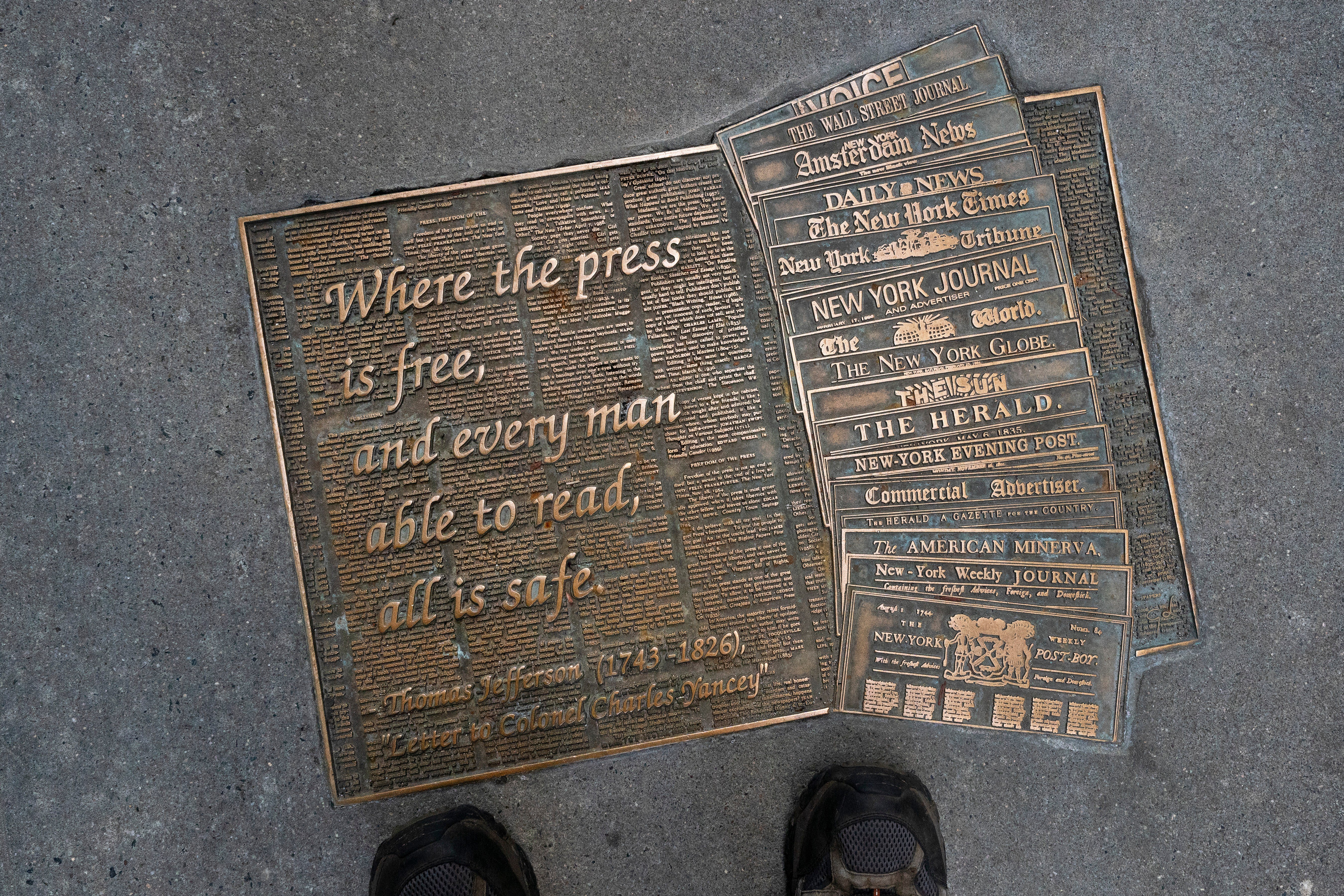
The statement went on to condemn the administration’s action as arbitrary and retaliatory. “Without notice or process, the White House revoked our journalists’ credentials because it objected to our reporting,” the outlets said. “Left unchallenged, this threatens press freedom and the public’s right to independent journalism free from government interference.”
The ban took effect Saturday, when reporters from the three outlets were barred from entering White House grounds. The move came a day after President Trump announced the exclusion on his social media platform, Truth Social, accusing the organizations of “constant” coverage of “FAKE NEWS.”
In his post, Trump wrote: “Media Outlets shouldn’t be able to constantly write or report FICTION and LIES when they’re covering the President of the United States, the Trump Administration, or the United States of America.” He also suggested that other outlets could face similar bans, though he did not name specific companies.
The lawsuit is expected to argue that the White House’s action violates the First Amendment by punishing outlets for their editorial content. Legal experts note that while the White House has discretion over press access, revoking credentials based on viewpoint discrimination could be unconstitutional. The case is likely to hinge on whether the administration can justify the ban as a content-neutral security measure or whether it is clearly retaliatory.
This is not the first time the Trump administration has clashed with the press. Earlier, national security adviser Mike Waltz defended the ban, calling the excluded outlets “bad-faith actors” and arguing that the White House should not be forced to accommodate organizations that “consistently misrepresent” the administration. His comments have drawn sharp criticism from press freedom advocates, who see the move as part of a broader pattern of hostility toward independent journalism.
The lawsuit comes amid heightened tensions over media access and government transparency. The White House Correspondents’ Association has yet to issue an official response, but several of its members have expressed solidarity with the affected outlets. Meanwhile, the administration has signaled it will defend the ban, with press secretary Karoline Leavitt stating that “the president has every right to decide who is allowed in the briefing room.”
Legal scholars are divided on the outcome. Some argue that the White House has broad latitude to manage press access, while others point to Supreme Court precedent that prohibits viewpoint-based restrictions on speech. The case could set a significant precedent for how presidents interact with the media, especially in an era of increasing polarization.
For the affected journalists, the fight is personal. They argue that the ban not only silences their reporting but also undermines the public’s ability to receive independent information. As the legal battle unfolds, the broader question remains: can a president selectively punish outlets for critical coverage without eroding democratic accountability?
The lawsuit is one of several legal challenges facing the administration, which has also been scrutinized for its handling of education policy and AI deregulation. But this case strikes at the heart of the First Amendment, and its outcome will likely resonate far beyond the courtroom.