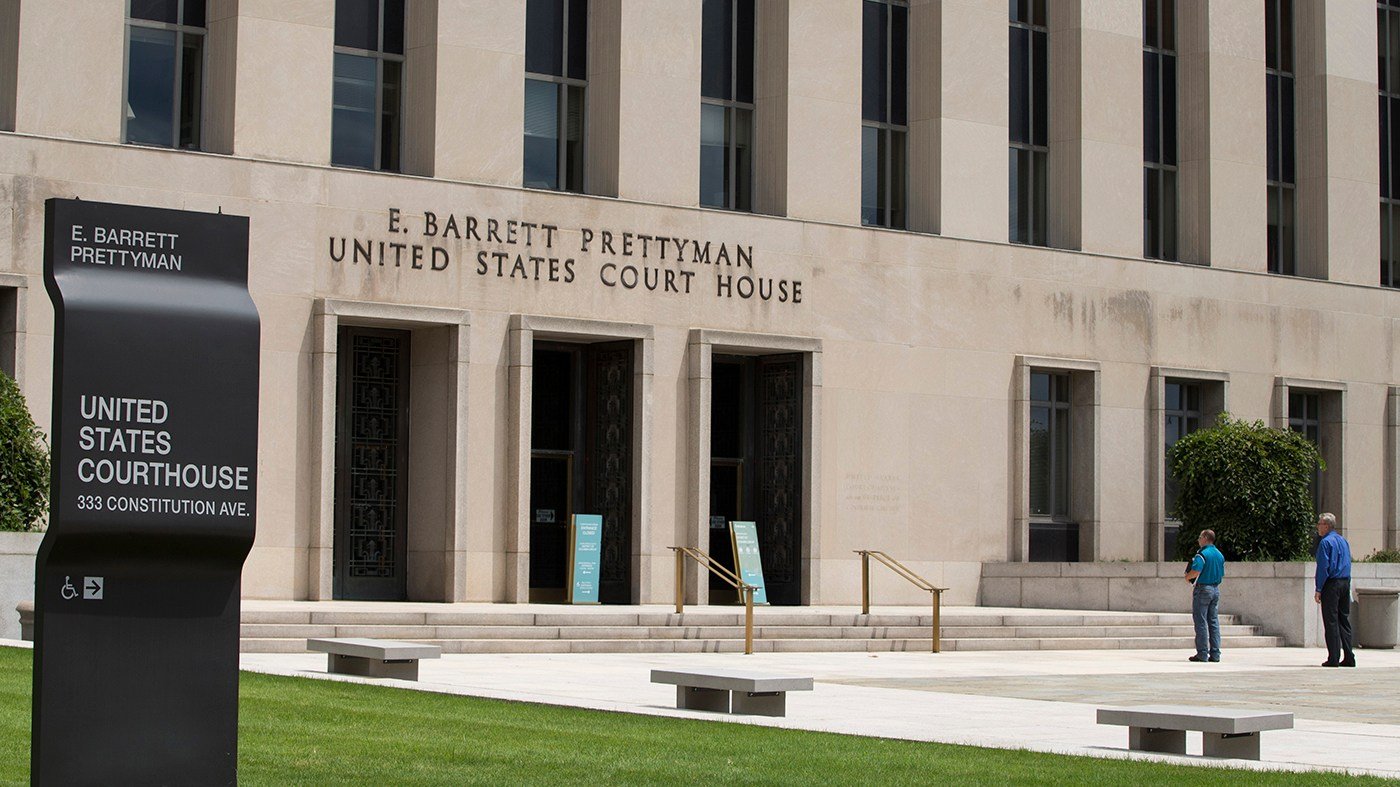
The District of Columbia Courts, the judicial backbone for the nation's capital, are sounding the alarm over a funding shortfall that officials say is pushing the system to the brink. With a budget frozen since fiscal 2023 and caseloads climbing sharply, court administrators warn that without congressional action, the ability to deliver timely justice is in jeopardy.
Herbert Rouson Jr., the executive officer of D.C. Courts, described the situation as a “critical inflection point.” The courts, which operate as both the local trial and appellate system for the District, are entirely dependent on federal appropriations—a unique arrangement that makes them particularly vulnerable to congressional budget politics.
The courts are requesting $298.1 million for the next fiscal year, a $35 million increase over current levels. That boost, officials argue, is essential to handle a surge in filings, bolster both physical and cyber defenses, and maintain core services. “Funding levels have remained unchanged since fiscal year 2023, but the demand for court services has actually surged since that time,” Rouson noted.
The numbers illustrate the strain. Since 2023, criminal case filings in D.C. Superior Court and the Court of Appeals have jumped 150%, while domestic violence misdemeanors are up roughly 37%. Unlike many state courts, D.C. Courts cannot pick and choose their docket. “Every case that's filed, we have to do something with it,” Rouson said. “We have to handle it. We have to process it, and that takes staff to do.” That includes cases brought by the U.S. Attorney's Office, which prosecutes most adult felonies in the District.
On a typical morning, courtrooms are packed. One recent session had a judge apologizing for delays as attorneys juggled appearances across multiple courtrooms. The docket included everything from misdemeanors to a theft on the Metro and a National Guardsman accused of pointing a gun at a fellow service member. Before the pandemic, roughly 10,000 people passed through the courthouse doors daily; that number is now “creeping back up,” according to Rouson.
The aggressive crime crackdown ordered by President Trump and led by U.S. Attorney Jeanine Pirro has added to the pressure. Since August, the “no paper” rate—where prosecutors decline to file charges—has dropped below 5%, funneling more defendants into arraignment court. Meanwhile, the criminal clearance rate has plummeted from 108% to 60% in just three fiscal years, meaning cases are being filed faster than they can be resolved.
Congress recently confirmed eight new judges to fill vacancies, but court leaders insist that alone won't solve the problem. In an August op-ed for The Washington Post, Chief Judge Anna Blackburne-Rigsby of the D.C. Court of Appeals and Chief Judge Milton Lee Jr. of the Superior Court wrote: “Adding judges without providing the workforce and infrastructure to support them limits the efficacy of that investment. Justice depends on an entire system working together.”
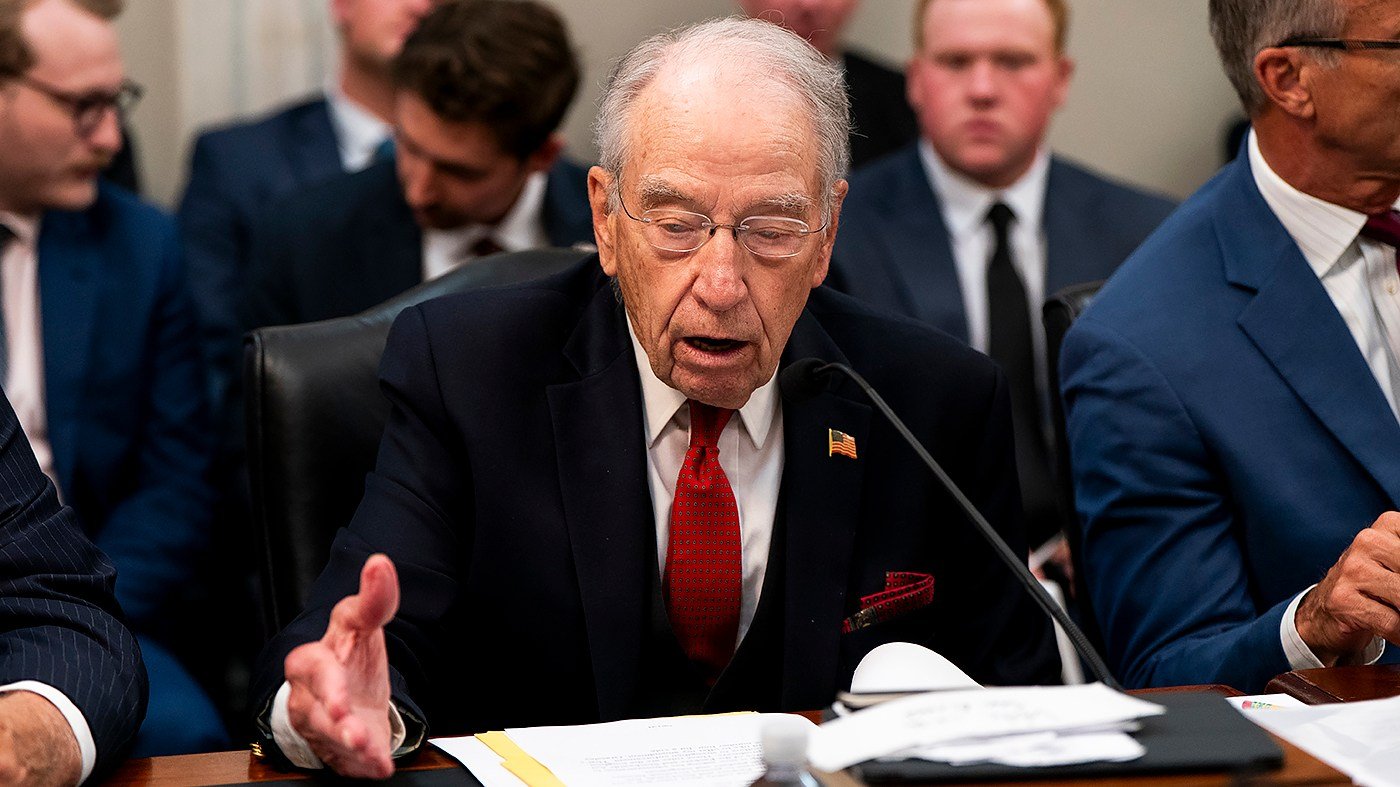
The budget request also includes $10 million for enhanced security. Threats against judges are a growing concern, with roughly 800 investigations into threats against D.C. Courts judges. That echoes warnings from Supreme Court Justice Amy Coney Barrett, who testified in July about the “really high” threat level facing federal judges. Rouson noted that courthouse security is a daily necessity.
Despite these needs, the House appropriations committee has advanced a budget that would cut D.C. Courts funding by $18 million in fiscal 2027—an amount officials say equals the entire annual security budget or the cost of processing 3,600 criminal cases. The proposal has not yet reached the House floor, and the Senate version remains in committee.
Rouson warned that such a cut would force “choosing between some critical security investments and compromising our court operations.” He said the courts have already trimmed hiring, contracts, and deferred maintenance over the past four years to avoid a deficit. “There's really no more meat on those bones,” he added, emphasizing that the system is running on fumes.
The stakes are high not just for the courts but for the public that relies on them. As the city's population and federal prosecutions grow, the gap between funding and demand widens. Without a significant infusion, the courts may be forced to make impossible choices that could delay justice for thousands.