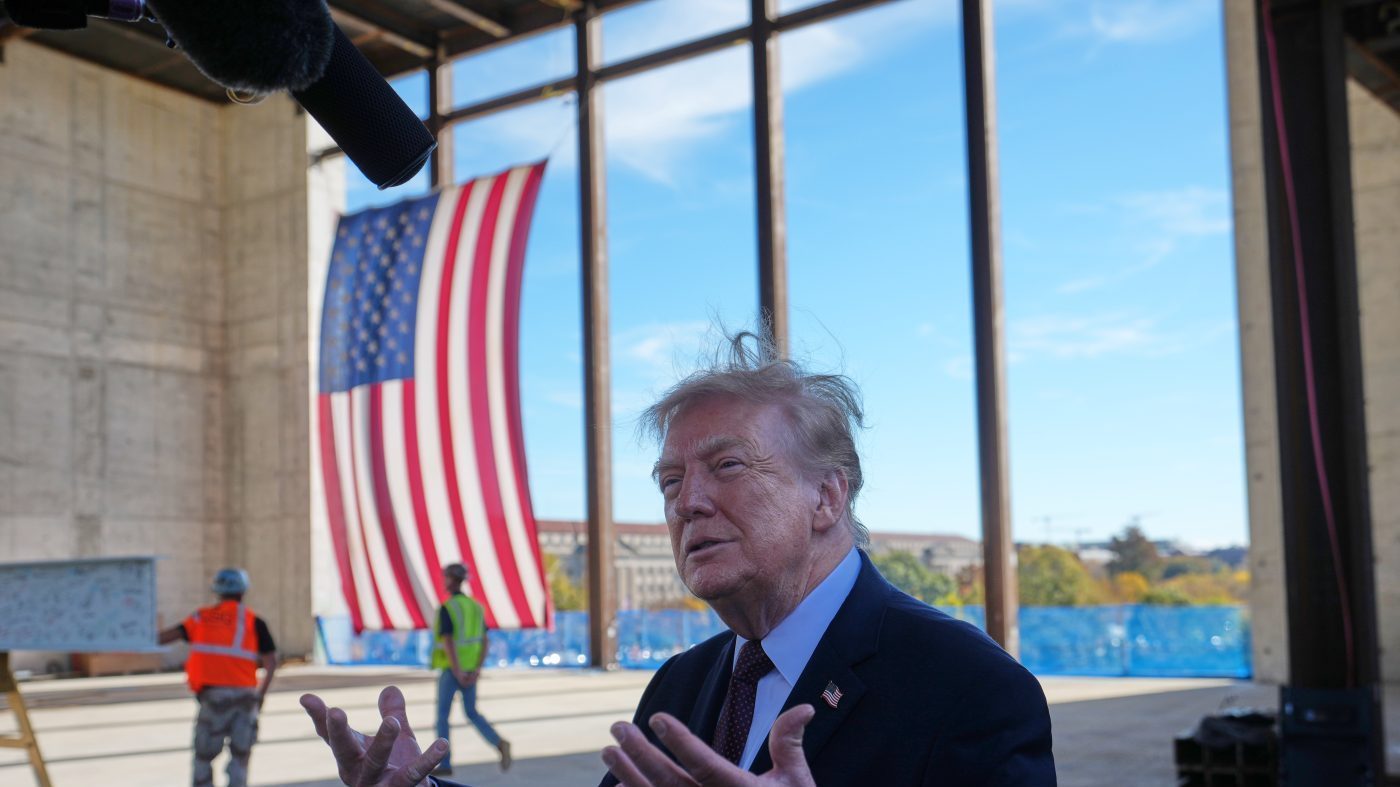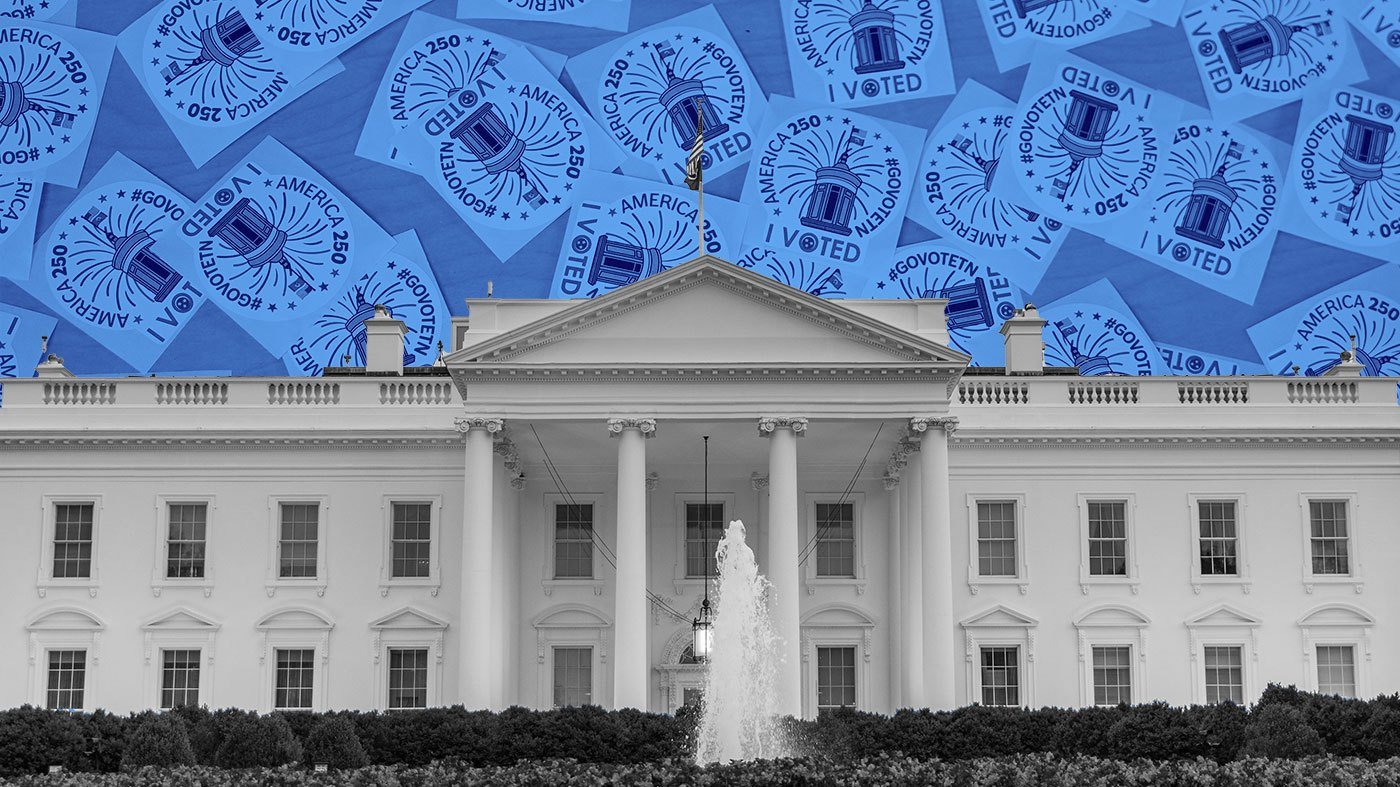
The Democratic Party's sweeping midterm victories have sent shockwaves through the Republican Party, fundamentally altering the 2028 presidential contest and leaving top Trump administration figures politically exposed.
Republicans lost control of both the House and Senate, including in reliably red states like Texas and South Carolina, in what many are calling the most severe repudiation of President Trump's agenda to date. The results have placed Vice President JD Vance and Secretary of State Marco Rubio—both central figures in an unpopular administration—in an awkward position as they weigh potential White House bids.

Mick Mulvaney, Trump's former chief of staff, captured the dilemma facing GOP contenders: “If you want to be the Republican President in 2028, not just the nominee, but actually the person who sits behind the Resolute Desk, you have to be close enough to Trump to win the primary, but not so close that he drags you down in the general.” He added, “That is a tall order. Of course, Trump’s ability to rehabilitate himself is almost superhuman, so that calculus could easily change in the next 12-18 months. But if he doesn’t, it will be difficult sledding.”
Vance is widely viewed as the biggest loser among potential 2028 contenders, having invested significant political capital in races that ended in defeat. Tim Chapman, president of Advancing American Freedom, said the results “100 percent” transform the landscape. “You cannot experience a once-in-100-year tsunami-like election and conclude that the status quo is acceptable,” he said. “You just can’t do that, and you certainly cannot experience repudiation like that, and conclude that there should be a coronation going into 2028.”
Vance's allies, however, argue that his position as vice president still gives him the strongest launchpad. Ohio Republican strategist Chris Johnson noted, “Everybody in the administration is going to be tied politically to the challenges that we saw last night, everybody is kind of hurt equally. He’s the vice president. He’s the next guy, and I think folks are going to be looking for somebody who is going to say hard truths about what happened yesterday and also have a vision for the future that’s going to work in the next election.” One anonymous GOP strategist conceded his odds have diminished “but he is still the favorite.”
Vance, who has not formally announced a 2028 bid, blamed the losses on the Iran War, which he opposed within the administration. In a lengthy post on X, he urged Republicans to channel their anger into “getting back to the work of saving our country.” He cited four reasons from former GOP voters for their defection: ending the war, addressing the cost of living and inflation, prioritizing America First, and changing the relationship with Israel. Trump responded approvingly, saying he “thought it was good,” but declined to speculate on 2028 candidates, saying, “We will see what happens. You don’t know who’s talking about running.”
No major Republican has formally entered the race, but early jockeying has begun. Rep. Marlin Stutzman (R-Ind.) immediately endorsed Rubio. Chapman noted that Rubio faces the same challenge as any potential nominee: “You’ve got to find a way to fuse together a coalition that right now is at war with itself.”
Florida Gov. Ron DeSantis, a Trump rival in 2024, emerged as one of the few bright spots for the GOP, keeping his state red despite the national blue wave. Term-limited and leaving office in January, DeSantis called the results “the political equivalent of a meteor strike” but touted Florida as “the one state that was able to hold the line.” Some Republicans see governors like DeSantis, Brian Kemp of Georgia, and Glenn Youngkin of Virginia as the party's best hope. A second GOP strategist said, “DeSantis, Kemp, and even Youngkin are the smart play for our party,” adding that DeSantis appears open to a run.
The midterm rout has also raised questions about Trump's legacy, with some analysts drawing parallels to historical realignments. As the GOP grapples with its future, the 2028 race is now wide open, with the party's direction—and its relationship to Trumpism—hanging in the balance.