The Environmental Protection Agency has greenlit a drinking water study that will, for the first time, test for residues of the abortion medications mifepristone and misoprostol. The decision follows years of lobbying by anti-abortion activists, state attorneys general, and lawmakers who have pressed the agency to investigate potential contamination.
While the EPA stopped short of designating mifepristone as a regulated contaminant under the Safe Drinking Water Act, abortion opponents see the move as a step toward restricting the drug's availability or shaping the public debate over its safety.

Kristi Hamrick, head of policy at Students for Life of America, called the development "exciting after a very long journey that's been almost 10 years," noting that the issue is now being taken seriously enough to appear on an official list. She added that much more information is needed for the study to be useful.
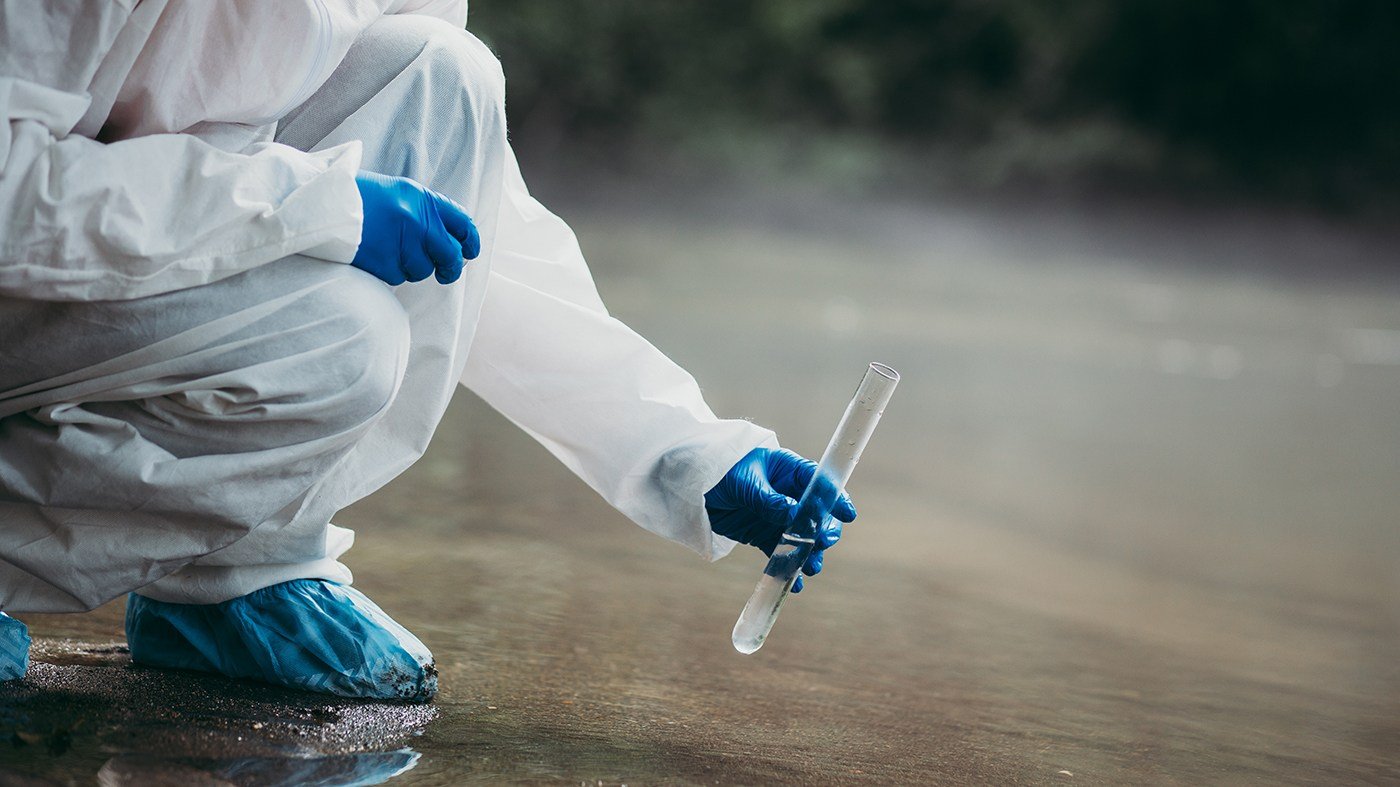
The EPA announced earlier this month that it will conduct a "cutting edge scientific study" to screen for "emerging" contaminants. The agency will select several metropolitan locations and test for more than 1,400 pharmaceuticals, pesticides, and other chemicals, including mifepristone and misoprostol. It will also look for hormones like testosterone and progesterone, as well as levonorgestrel, a hormone used in some contraceptives and emergency contraception.
There is currently no evidence that these drugs pose a threat to drinking water or human health. Environmental scientists and abortion rights advocates have dismissed the effort as a political stunt by the Trump administration aimed at appeasing a frustrated anti-abortion base ahead of the midterm elections.
Anna Bernstein, principal federal policy adviser at the Guttmacher Institute, said she is not particularly worried about immediate federal action based on the study's results. Instead, she fears state and local officials could use the findings to justify further crackdowns on abortion access. "There's already a culture of criminalization around abortion, especially since Dobbs," she said, "and the potential to use this as justification for further surveillance could create more fear for abortion seekers and providers."
Nathan Donley, environmental health science director at the Center for Biological Diversity, pointed out that the EPA's list includes chemicals that are known contaminants and should be regulated—but mifepristone is not one of them. He argued that spending resources on "a witch hunt" for mifepristone diverts attention from real water quality problems. "Its presence on the list is meant to stigmatize the drug instead of a true effort to identify a new water contaminant," he said.
The EPA's tests will only indicate whether a chemical is present, not the concentration or potential harm. The agency has not yet specified testing locations or how it will use the results. In a statement, the EPA said it is working with the water sector to identify participating systems and expects the study to take about a year, with results published after quality assurance reviews.
The study is not part of the EPA's routine contaminant monitoring under the Safe Drinking Water Act, meaning no regulation is automatically triggered. Scientists note that any regulatory process for mifepristone would take years. Betsy Southerland, a former EPA career scientist, called the effort an "unprecedented fishing expedition" and suggested that Administrator Lee Zeldin intends to use the results to pressure the FDA to remove mifepristone from the market.
Medication abortion has become the most common method since Roe v. Wade was overturned, and anti-abortion groups have focused on limiting access to the pills. Students for Life of America has been a leading voice in pushing the EPA to investigate water contamination, though the organization's allegations have not been substantiated by scientific evidence.
Critics see the EPA's move as part of a broader anti-abortion political campaign that includes state-level restrictions and efforts to criminalize abortion. Meanwhile, abortion rights groups are investing in key House races to counter such measures. The study's outcome could influence future policy debates, but its immediate impact appears to be more symbolic than scientific.