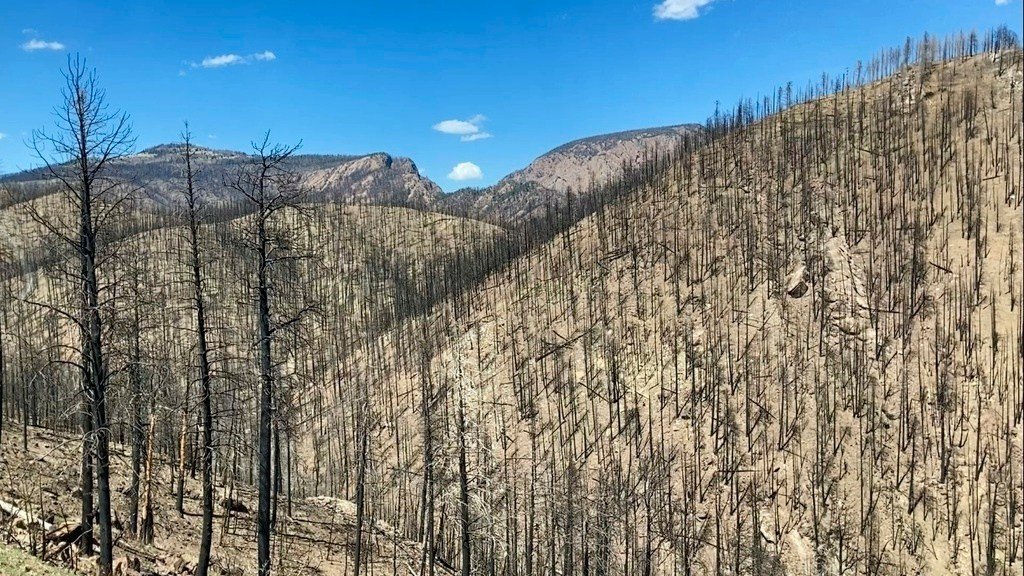
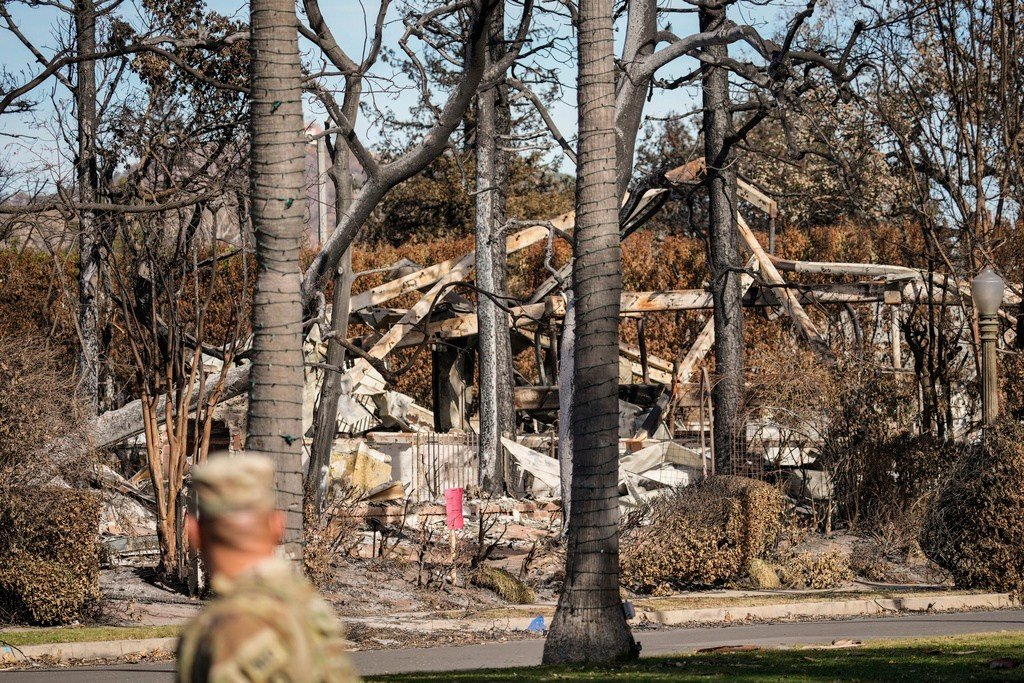
Hurricane Helene, which struck in September 2024, caused an estimated $1.28 billion in timber damage in Georgia alone, affecting nearly 9 million acres of forestland—88% of it privately owned. For family forest owners, a lifetime of investment can vanish in a single afternoon, and the cost of replanting has outpaced existing tax relief.
Now, House Agriculture Committee Chairman Glenn “GT” Thompson (R-PA) and Forest Landowners Association CEO Scott Jones are pressing Congress to act. In a joint appeal, they urge lawmakers to finalize a new farm bill and pass two bipartisan measures: the Save America's Family Forests Act and the Wildfire Reduction Market Expansion Act. These bills would update tax deductions and expand markets for low-value wood, helping landowners recover from disasters and stay in forestry.
The House already passed its version of the farm bill, the Farm, Food, and National Security Act of 2026, which includes a forestry title addressing management, partnerships, and forest health. The Senate Agriculture Committee has advanced its own version, and Thompson and Jones want a final bill by year's end.
They also point to the recently enacted Emergency Conservation Program Improvement Act, which allows nonindustrial private forest landowners to receive advance payments for emergency restoration measures. That law, they say, is a step forward but doesn't solve the broader challenge of market instability and replanting costs.
“Restoring a working forest also requires access to strong timber markets and the financial ability to replant,” the two write. “Emergency assistance alone cannot solve the loss of a nearby mill or the cost of starting another decades-long growing cycle.”
Timber markets are under pressure as mills close and demand for lower-value wood shrinks. That hits rural communities hard—loggers lose work, truckers lose loads, and population flight to cities accelerates. Without viable returns, landowners may convert their land out of forestry, undermining rural economies and the environmental benefits of working forests.
The Wildfire Reduction Market Expansion Act would modernize the Renewable Fuel Standard's definition of renewable biomass to include more low-value woody material from forest management, hazardous-fuel reduction, and restoration. That could create new revenue streams for clearing fire-prone undergrowth, offsetting management costs and turning a disposal problem into an opportunity.
On the tax side, the Save America's Family Forests Act would raise the annual reforestation deduction from $10,000 to $30,000 and allow an immediate deduction of up to $500,000 for qualifying expenses after federally declared disasters. The current $10,000 cap dates to 2004 and no longer covers the cost of site prep, seedlings, and planting—especially after catastrophic storms.
“Updating this existing tax provision would help landowners reinvest sooner, recognizing that the cost of establishing a forest comes decades before the income from harvesting it,” Thompson and Jones argue. They stress that disaster recovery, timber markets, and reforestation are connected challenges that Congress must address together.
They call on lawmakers to include both bills in an end-of-year legislative package, alongside a new farm bill. “The job is not finished,” they write. “Healthy, resilient forests for the next generation depend on landowners being able to recover from disasters, find markets for their timber, and afford to plant again.”