President Trump's second term has been a political disaster for the Republican Party. Despite his promise that Americans would grow weary of winning, the 2026 midterm elections delivered a resounding defeat, with the blame resting squarely on his shoulders. Trump's relentless focus on his base, which constitutes a minority of the electorate, has tarnished the MAGA brand to the point where it is now viewed more unfavorably than the Democratic Socialists of America.
Trump led the Republican messaging during the midterms, leveraging his 37% approval rating to urge voters to treat the election as a referendum on him. They did—and the result was a sweeping rejection of Republican candidates nationwide. This was pure political malpractice, driven by Trump's misguided belief that being president equates to political genius.
One glaring example came on October 24 in Georgia, where Trump boasted, "The United States oil and gas business is making hundreds of billions of dollars. I don't give a damn, I'm going to say it—we're making a freaking fortune." He conveniently omitted that those profits come directly from the pockets of hardworking American families—many of whom vote.
The electoral fallout was catastrophic. Republicans lost at least 24 House seats and seven Senate seats, with races in Alaska and Mississippi still undecided. Trump's interference in primaries proved particularly damaging. He pushed Senator Thom Tillis (R-N.C.) out of his reelection campaign, and Republicans lost the seat. He did the same to Senator Joni Ernst (R-Iowa), and Republicans lost that seat as well. His attacks on Iowa Governor Kim Reynolds forced her into retirement, and Republicans lost the governorship.
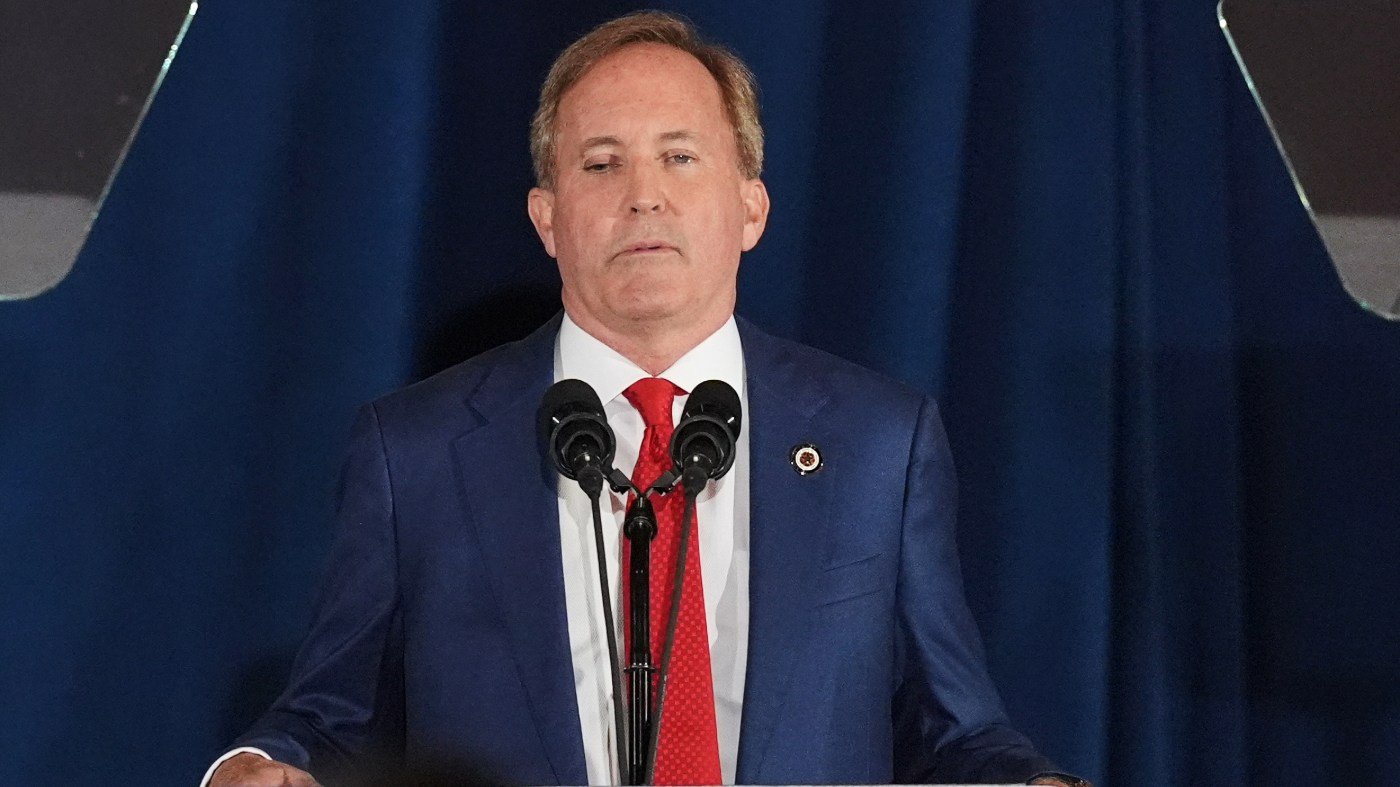
In Florida, Trump's criticism of Rep. Maria Salazar's immigration stance may have inadvertently helped her narrowly survive, as she stood up to his unpopular ICE raids. But in Texas, Trump's endorsement of Attorney General Ken Paxton—despite Paxton's legal and ethical baggage—against incumbent Senator John Cornyn, a staunch Trump ally, forced Republicans to spend millions on a losing race. Those resources could have been used to win in Ohio or Iowa, but instead Republicans lost even the Texas seat.
In South Carolina, Trump pushed Darline Graham, sister of the late Senator Lindsey Graham, into a Senate run after her appointment, solely to block Rep. Ralph Norman, who had supported Nikki Haley in the 2024 primary. Republicans lost that seat too.
This bloodbath was entirely preventable. As I wrote fifteen months ago, the MAGA agenda was pushing Trump out of the political mainstream. His obsession with niche issues and his dismissal of voters' real concerns—like rising grocery prices, which he called "peanuts" and a Democratic "hoax"—alienated the very families who decide elections. The midterms cried out for localized campaigns, but Trump's "me" presidency demanded that everything be about him.
The damage extends beyond Congress. Hundreds of state legislative races were lost, decimating the Republican bench. In 2028, freshman Democrats will face weaker opponents because many promising Republicans lost their down-ballot races. The party's future is bleak.
For young conservatives who believe in limited government, the Constitution, and principled leadership, the path forward is clear: run for local office. City councils, county boards, and state legislatures need you. The party must rebuild from the ground up, and it starts with you.