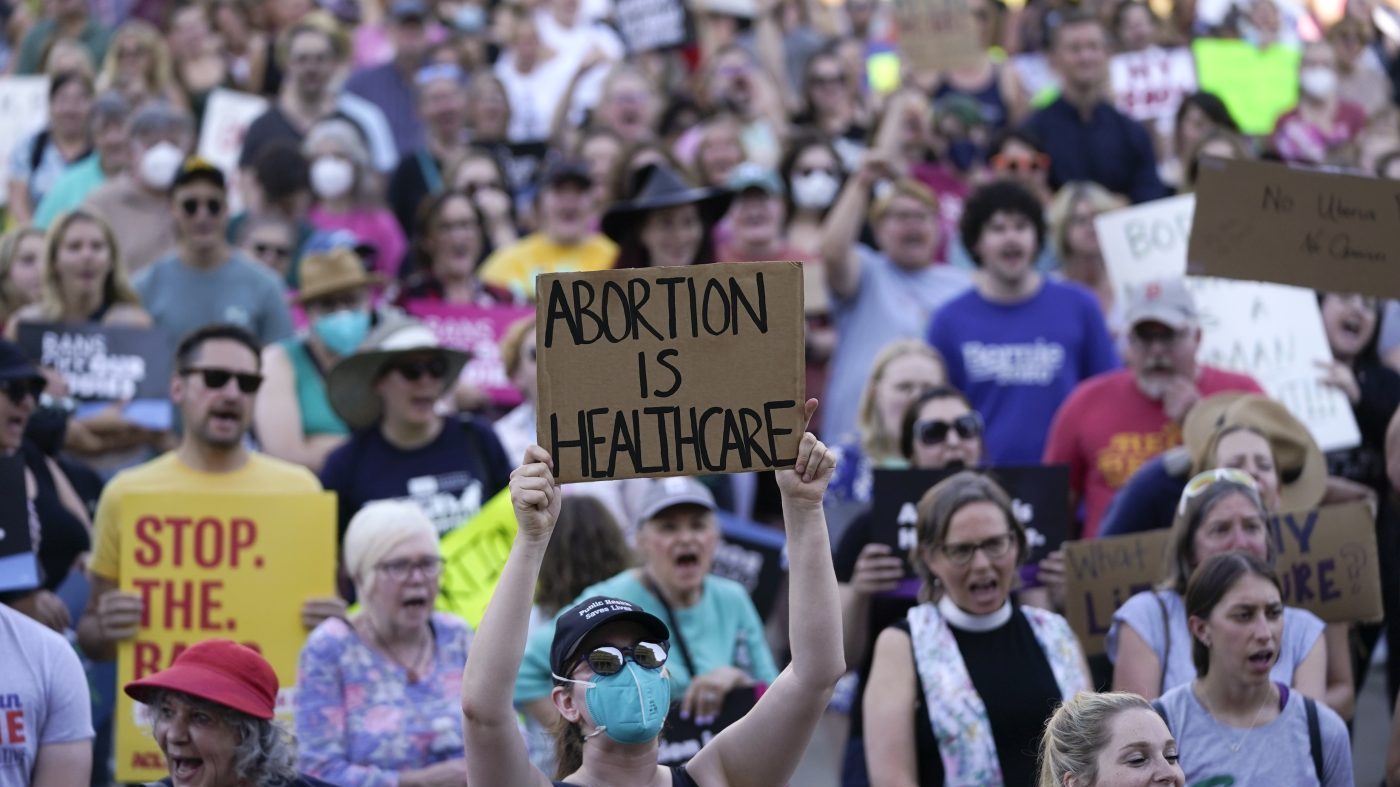
A prominent abortion rights organization is scaling up its ground game in several competitive House districts as the November midterms approach. Reproductive Freedom for All (RFFA) announced a roughly $1 million investment in direct voter contact operations targeting three priority races in Arizona, Michigan, and Nevada.
The initiative, first shared with The Hill, will fund paid canvassing and voter mobilization in Arizona's 1st Congressional District, where Democrat Amish Shah is challenging Republican incumbent David Schweikert; Michigan's 10th Congressional District, where Democrat Christina Hines is vying for the open seat left by Republican John James, who is running for governor; and Nevada's 3rd Congressional District, where Democratic Representative Susie Lee faces Republican Marty O'Donnell.
This targeted spending is part of RFFA's broader $23.5 million midterm strategy aimed at rallying voters and flipping GOP-controlled seats to Democratic control. The organization's push comes amid a political landscape where abortion access remains a potent issue, particularly following the Supreme Court's 2022 decision to overturn Roe v. Wade, which energized Democratic voters and contributed to their success in that year's midterms.
While abortion is not the top national issue for Democrats this cycle, the fight has persisted at the state level. RFFA is working to keep the issue prominent, especially in states with abortion-related ballot measures. In Nevada, the canvassing effort will also promote Question 6, which would enshrine abortion rights in the state constitution if approved again in 2026.
"Control of Congress — and our ability to fight back against national attacks on reproductive freedom — could come down to these races with razor-thin margins," said RFFA President and CEO Mini Timmaraju in a statement.
With affordability dominating voter concerns this year, Timmaraju noted that her organization has been framing abortion as an economic issue that resonates with all voters. "This investment will power meaningful conversations with voters about what is at stake and why electing champions of reproductive freedom is crucial this November," she added.
The move reflects a broader Democratic strategy to leverage abortion rights as a mobilizing force in key contests. Recent polling suggests that Democrats hold an edge on key issues heading into the midterms, though the party faces headwinds on the economy.
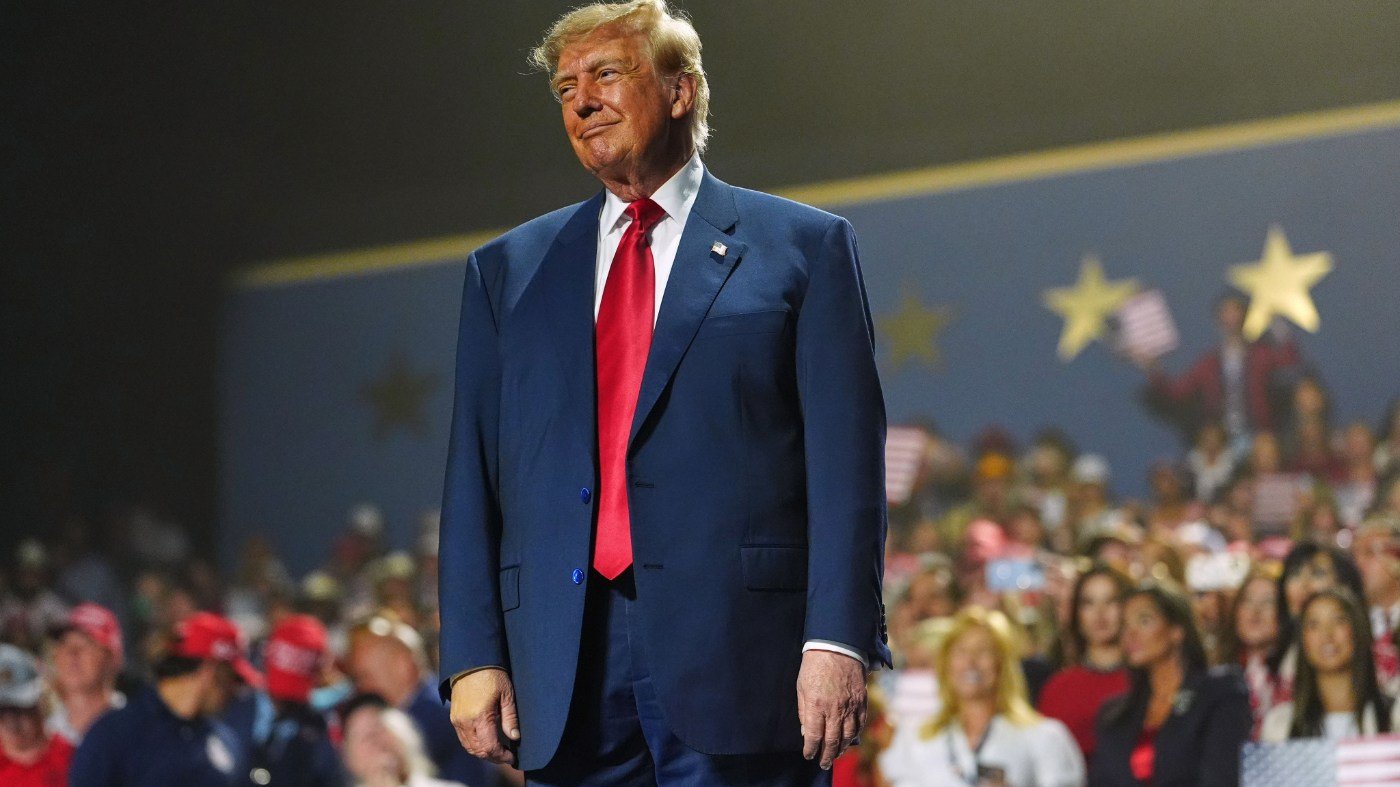
Republicans, meanwhile, have focused on inflation and border security, and former President Trump has sought to make the election a referendum on his own agenda, as his own metrics tell the real story. The Supreme Court's recent rulings on voting procedures have also added uncertainty, with Trump blasting the conservative majority over a mail-in ballot decision.
For RFFA, the investment in these three districts is a calculated bet that abortion rights can still swing close races. The organization's efforts in Nevada are particularly notable, as the state's ballot measure could drive turnout among pro-choice voters, potentially aiding Lee's reelection bid.
As the midterm campaign intensifies, both parties are sharpening their messages on a range of issues, including technology policy. House Democrats, for instance, are pressing for AI rules as part of their midterm messaging, a sign that the election will be fought on multiple fronts. But for RFFA, the focus remains squarely on reproductive freedom, and the group is betting that its message will resonate with voters in the districts where it is investing.