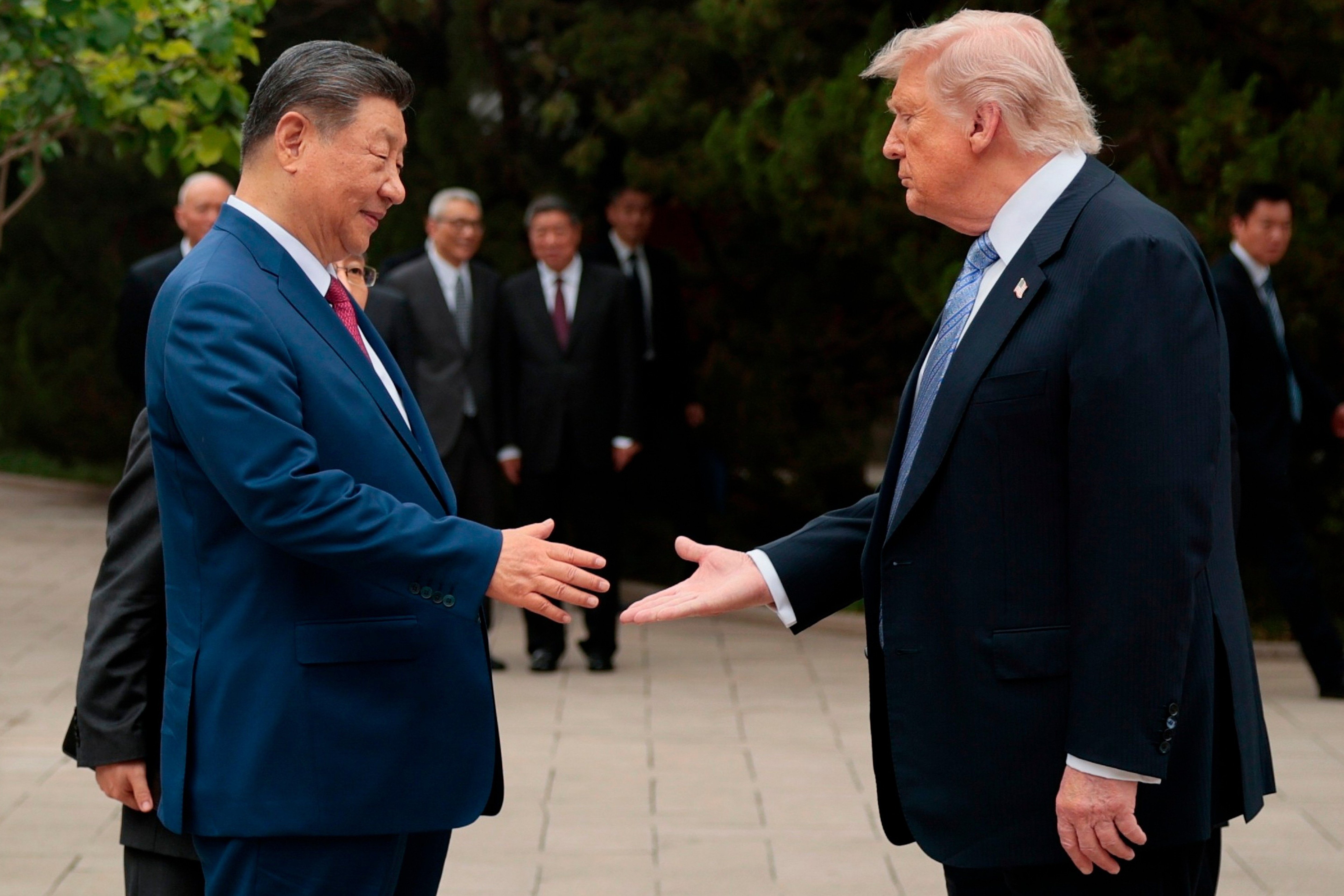
When Chinese President Xi Jinping arrives in Washington this week, the ceremonial warmth will mask a deeper friction between the world's two largest economies. Beyond the photo opportunities, trade disputes and tariff threats loom large, but equally pressing is the U.S. government's intensifying examination of Chinese companies operating on American soil.
From data servers and networking gear to cooling systems and data centers, Chinese-made components are woven into the fabric of U.S. digital infrastructure. This penetration extends to ports, automobiles, hospitals, supply chains, rare-earth minerals, and even the electrical grid. The cumulative effect has triggered a regulatory response from the Pentagon, Commerce Department, and Federal Communications Commission, along with sanctions on various Chinese products.
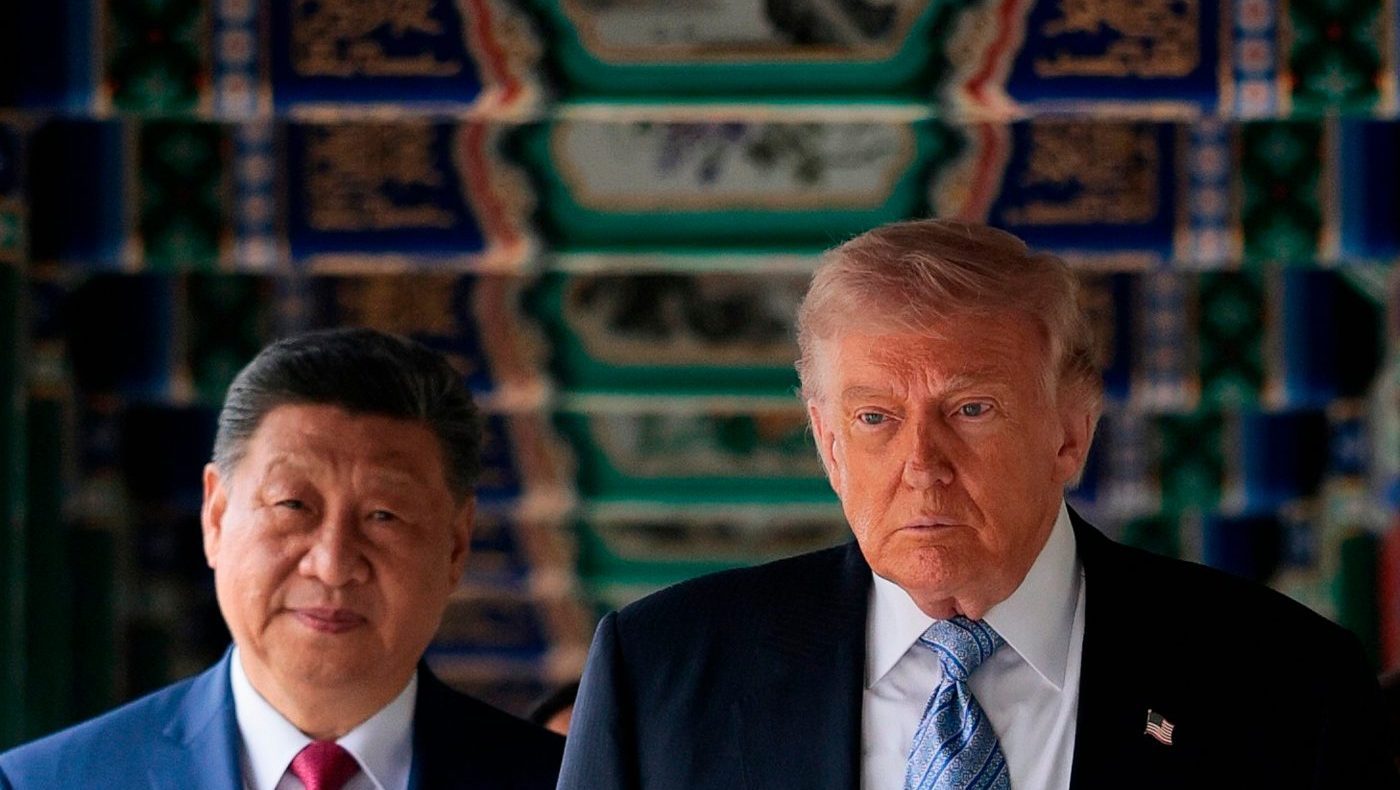
Despite the tensions, the summit holds potential. Both nations are bound by intricate trade, investment, and supply-chain ties that neither can easily sever. Xi is expected to bring a delegation of Chinese business leaders ready to strike deals, and China has already been purchasing U.S. agricultural goods—a gesture that appeals to American farmers eager for more soybean exports.
But the trade imbalance remains a sticking point. Chinese companies have adeptly leveraged the open U.S. market, offering affordable drones that help farmers and first responders, telecom equipment that cut costs for providers, and batteries and solar panels that accelerate green tech. These products, along with popular apps, have won over American consumers, while Chinese manufacturing has helped U.S. firms lower expenses.
This state of affairs didn't emerge overnight. Decades of permissive trade policies under both parties laid the groundwork. The Trump administration is now pivoting from enablement to enforcement, with new rules taking shape. The shift is most visible in the government's expanding lists of restricted entities.
The FCC's covered list, established under federal law, names equipment that poses national security risks—Huawei, ZTE, Hytera, Hikvision, and Dahua are long-standing entries, now joined by certain drones and routers. The Pentagon's Section 1260H list identifies Chinese military companies operating in the U.S., targeting Beijing's military-civil fusion strategy. The Commerce Department's Entity List restricts exports and now extends to affiliates of listed firms, signaling that ownership structure matters as much as the name on the door.
Beyond these, CFIUS reviews foreign investments, and Treasury sanctions add further layers. Being on one list doesn't automatically mean a company is sanctioned—the legal consequences vary—but collectively, they signal a new era: automatic access to U.S. markets is over.
For Xi's business entourage, the message is clear. America still offers unmatched capital markets, consumers, research institutions, and legal protections—CFIUS itself aims to balance security with openness. But access now comes with tough questions: Who owns the company? Who controls it? Where does data flow? What ties exist to the Chinese government or military? These inquiries, once rare, are now routine, and they underscore a fundamental shift in how Washington views Chinese commercial activity—not just as trade, but as a matter of security, ownership, and control.
As the summit proceeds, the deals may be signed, but the scrutiny will only deepen. The era of benign neglect is behind us; what lies ahead is a more guarded, transactional relationship.