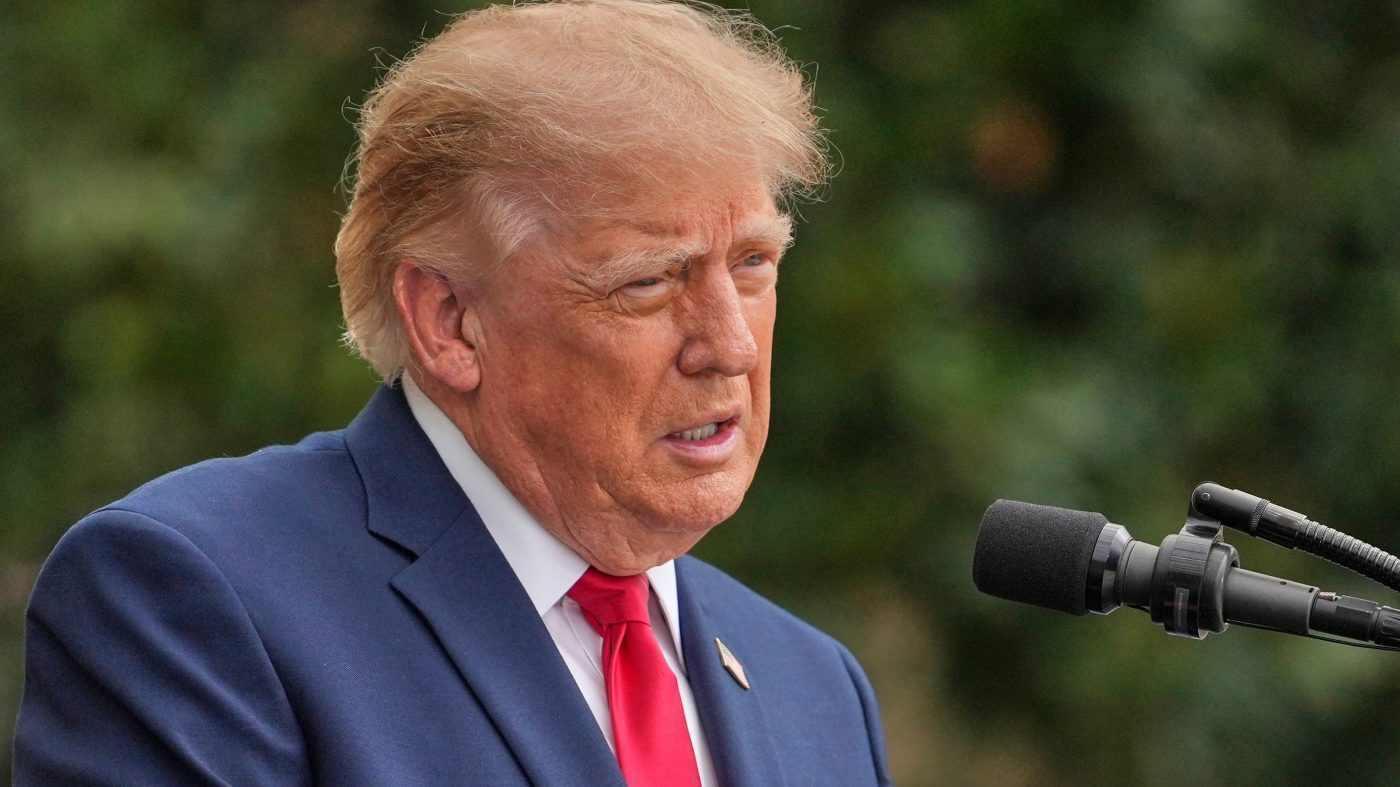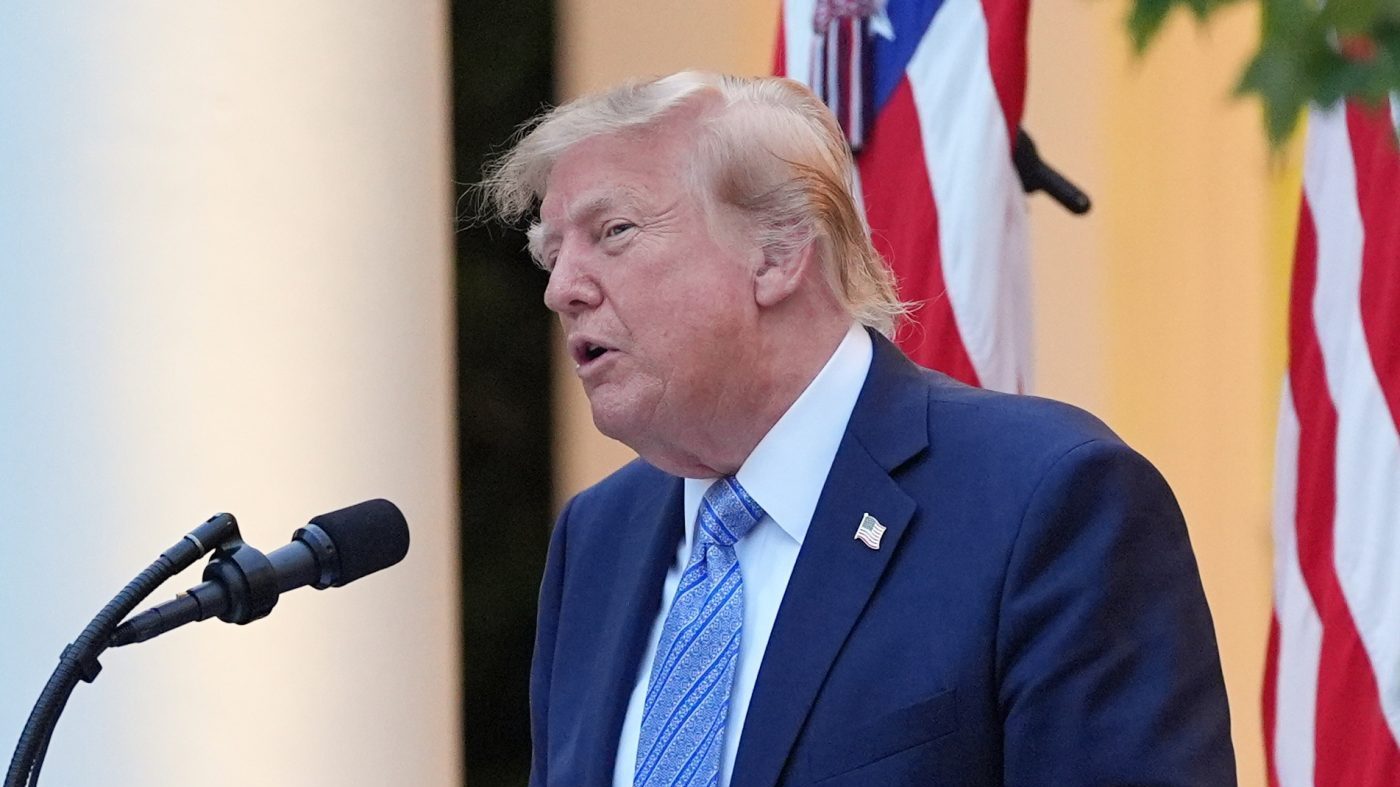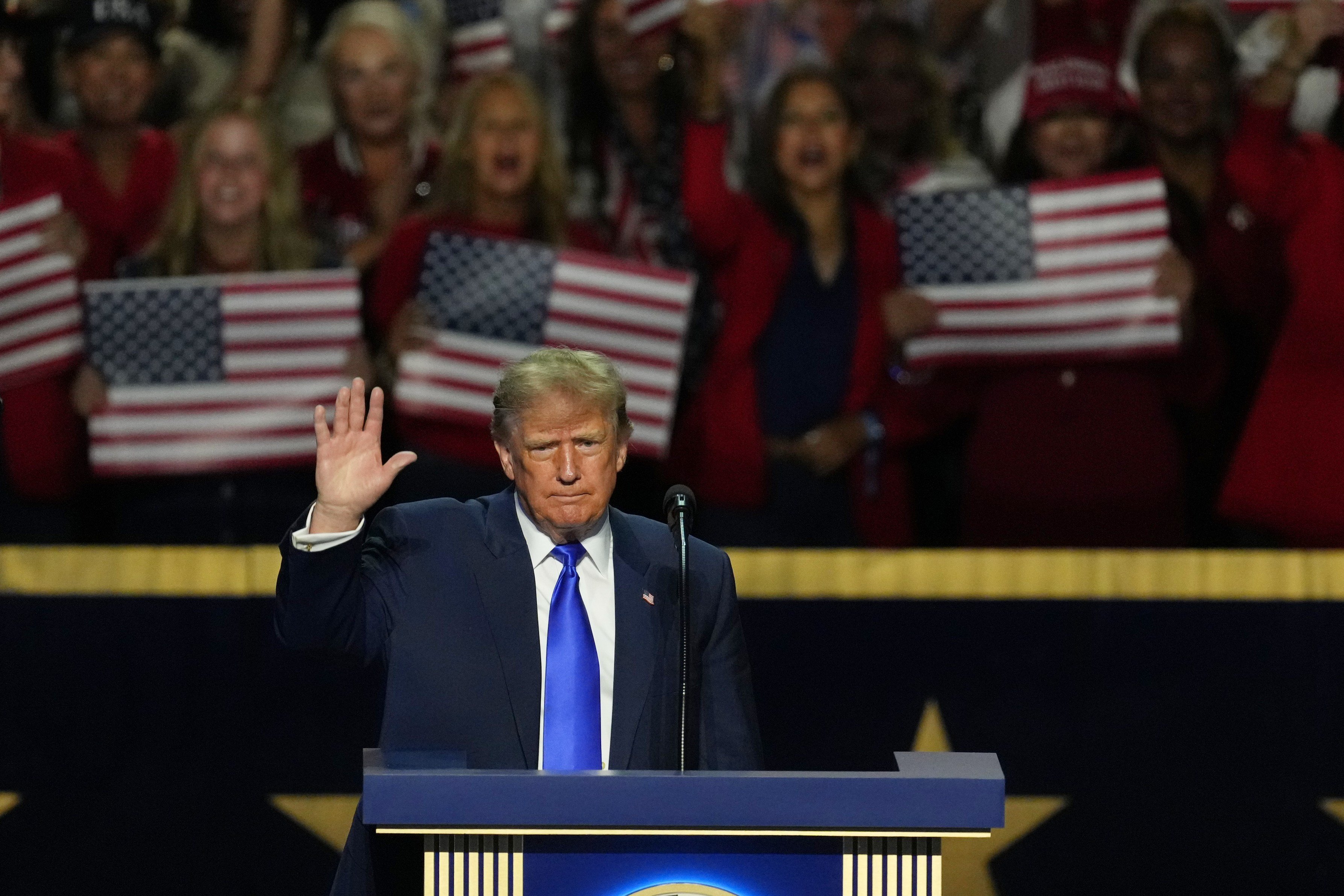
As the midterm elections approach, there is a glimmer of hope for Democrats: they have a realistic shot at taking control of at least one chamber of Congress. But that victory would be largely symbolic when it comes to restraining President Trump. Even with a Democratic House or Senate, Trump's behavior is unlikely to change, and the next two years are set to be as contentious as the last.
Trump has already signaled he will challenge the integrity of the election results, but Democrats must push through. If they win the House, they could initiate impeachment proceedings over any number of alleged abuses. Yet without a two-thirds majority in the Senate to convict and remove him, such a move would be performative. Two prior impeachments have done nothing to alter his conduct, and a third would likely be equally futile.
Should Democrats capture both chambers, they could pass legislation to curb presidential overreach, but Trump would veto it. Overriding those vetoes would require supermajorities that are highly unlikely. And while Congress holds the power of the purse, Trump has shown little regard for spending restrictions.
Short of Trump resigning—whether out of boredom, health issues, or crimes even his base can't stomach—we should expect more of the chaos that has defined his tenure. Yet this turmoil is not without lessons. Trump is inadvertently teaching us about the fragility of democratic institutions and the consequences of electing leaders who embody our worst instincts. The Constitution's protections are not self-executing; they require vigilance and leaders of principle.
Many on the right view Trump's presidency as divinely ordained. Perhaps they are right. America may need these hard lessons, and Trump is uniquely suited to deliver them. As his former chief of staff, General John Kelly, remarked, "The depths of his dishonesty is just astounding to me. He is the most flawed person I have ever met in my life."
The challenge for the rest of us is to turn this negative into a positive. At the grassroots, that means showing grace to those who voted for Trump—none of us are immune to being fooled. We need to reunite for the work ahead. In Congress, Democrats promise accountability, but that should not mean endless political theater. Instead, investigations should focus on exposing systemic weaknesses and crafting reforms to protect democracy and the rule of law.
Over the next two years, Congress should build a reform agenda that addresses the vulnerabilities Trump has exposed. This includes tightening the Voting Rights Act, clarifying the "major questions" doctrine to bolster the EPA's authority, and restoring key environmental regulations. Congress should also codify the endangerment finding on greenhouse gases, settle questions about domestic military deployments, and protect the constitutional rights of immigrants.
Further reforms should include an enforceable ethics code and term limits for Supreme Court justices, shielding the Justice Department from political interference, and creating presidential ethics rules to prevent profiteering. A carefully defined package of constitutional amendments could address campaign finance, presidential pardons, and the recent Supreme Court ruling that grants presidents immunity from prosecution for official acts.
This agenda—a sort of "Project 2028" for the common good—could repair the damage done and rebuild government better. The Trump presidency has been a relentless crisis, damaging to the American spirit and our global standing. But if we brace for the rough road ahead and recommit to our democratic ideals, we can emerge stronger.