In an extraordinary turn, leaders of the artificial intelligence industry are now urging Washington to impose limits on their own sector. This is a stark reversal of the usual corporate plea for deregulation. Imagine 19th-century railroad magnates lobbying Congress to cap their track mileage, or tech pioneers asking the Clinton administration to slow the spread of the internet. The tobacco industry, before public health warnings, never voluntarily admitted its products were lethal. Yet today, AI executives—who have amassed fortunes from this technology—are publicly calling for guardrails, citing existential risks.
The public backlash against AI has been building across party lines. Communities have protested data centers, students have jeered at commencement speakers over job fears, and many workers have been laid off as companies cite AI-driven automation or investment. Both Republicans and Democrats on the campaign trail have tried to appear skeptical of AI, except for one notable figure: President Trump.
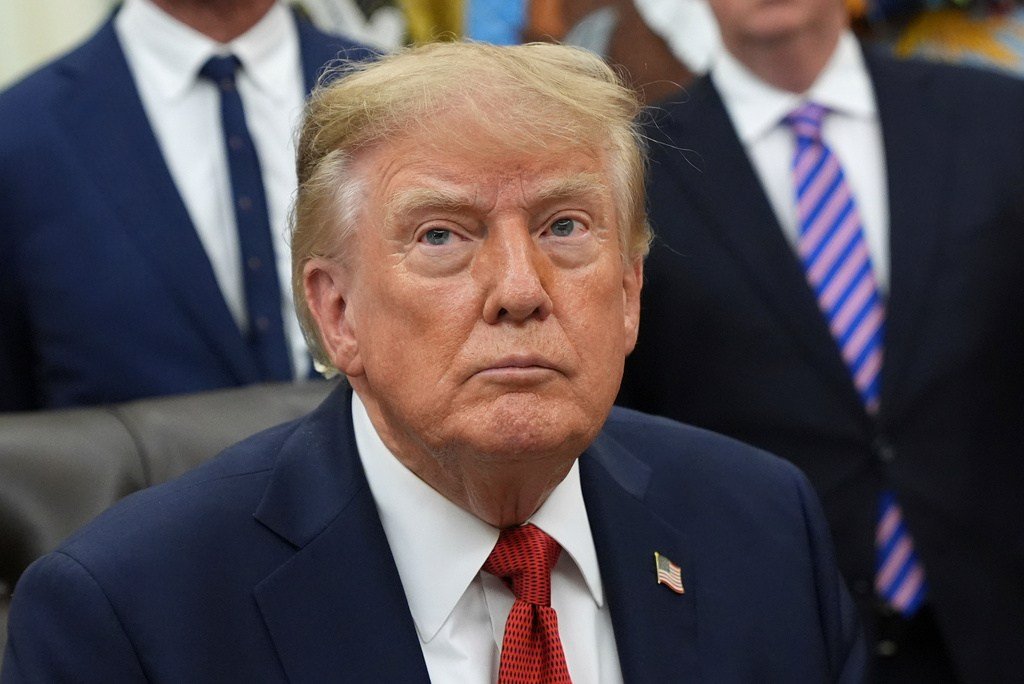
Trump has repeatedly dismissed AI doomsday scenarios as a hoax, insisting no moratorium or regulation is needed—only a “high IQ” president. His critics often attribute this to ignorance, but the more plausible explanation lies in his political calculus. The stock market, which has been a rare bright spot in an otherwise troubled economy, is increasingly fueled by AI speculation. With inflation, high interest rates, and soaring debt, the market’s resilience has been Trump’s key economic talking point. Even recent dips due to rate hikes are seen as temporary, largely because AI hype keeps investor optimism alive.
This dynamic is not lost on corporate America. Companies that announce AI-driven layoffs often see their stock rise, as investors interpret the move as a strategic pivot. The market’s AI-linked value is estimated at a staggering 36%, much of it based on future promise rather than proven performance. Analysts have warned of a bubble, and rising bond yields suggest the party may be ending.
For Trump, a market correction would be politically devastating. It would erase the one economic achievement he can tout. The tell came when then-Attorney General Pam Bondi bizarrely shouted “Dow at 50,000” during a hearing—a sign of how central the market is to the administration’s narrative. With over 90% of stocks owned by the top 10% of Americans, and the top 10 companies—many of them AI-centric—accounting for 43% of market capitalization, any AI slowdown would hit Trump’s core supporters: billionaires, CEOs, and baby boomers with substantial portfolios.
These are the constituencies Trump cannot afford to alienate, especially given the influence of corporate money in politics, as reinforced by the Citizens United ruling. The White House’s vague talk of an “AI Force” suggests they are aware of the tension but unwilling to take concrete action that could spook markets. For Trump’s opponents, this is his Achilles heel. A slowdown in AI, whether through regulation or natural market correction, could trigger a downturn that would expose his economic vulnerability. As AI safety tensions loom over international summits, the pressure on Trump to act—or not—will only intensify.
No one wants a stock market crash; it would harm everyone. But for those seeking to challenge Trump, his handling of AI presents a clear political opening. If the bubble bursts, Trump loses his only economic shield, and the consequences could reshape the political landscape.