Negotiations between the United States and Iran have hit an early pause on the second day of a 60-day window for talks, as Israel escalated its military campaign in Lebanon with fresh strikes against Hezbollah. The development adds a volatile new layer to an already contentious diplomatic push by the Trump administration.
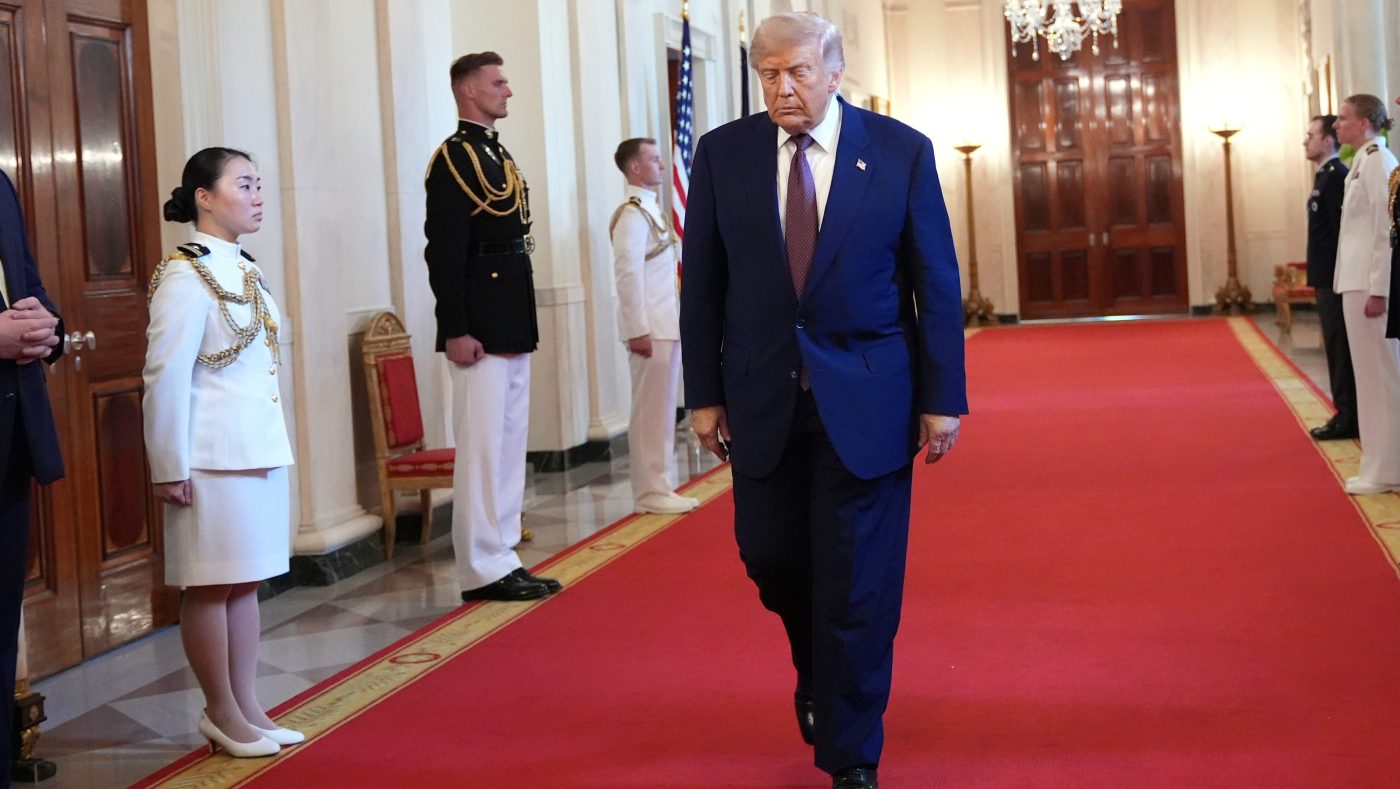
President Donald Trump, facing a growing revolt within his own party over the memorandum of understanding signed with Tehran, took to Truth Social on Friday morning to lash out at both Democratic and Republican critics of the deal. In a combative post, he declared, “The War has diminished Iran! It doesn’t, any longer, have an Air Force, a Navy, Antiaircraft Equipment, Radar, or practically anything else, and yet the Dumocrats say that Iran is better off now than it was four months ago. Can you imagine getting away with that??? How stupid can some people be???”
The president also pushed back on assertions that the agreement provides Iran with a financial windfall, a key point of contention among lawmakers. GOP senators, in particular, have voiced deep unease over the deal’s terms, with many warning that the arrangement could funnel billions to Tehran. As reported earlier, several Republican senators are dismayed by the potential $300 billion economic boost to Iran, fearing it will undercut U.S. security interests.
Meanwhile, Iran’s leadership is publicly celebrating the agreement as a major diplomatic victory, framing it as a sign of American retreat under pressure. Hard-liners in Tehran remain split, however, as detailed in recent coverage of the internal regime divisions.
The pause in talks comes amid a 60-day timeline set by the administration to resolve outstanding issues on nuclear, missile, and regional conflicts—including the situation in Lebanon. The framework agreement was intended to create a structured path for negotiations, but the early delay underscores the fragility of the process.
Trump is scheduled to depart for Camp David on Friday for the weekend, a retreat he has visited only once before this term, in June. The trip comes as his administration juggles multiple foreign policy crises, including the escalating Israel-Lebanon conflict and the fragile Iran talks.
On Capitol Hill, Republican senators are demanding more transparency from the White House on the deal’s specifics, with several questioning whether the administration has adequately consulted Congress. The opposition has created an unusual rift between Trump and his party’s foreign policy hawks, who have long advocated for a hard line against Tehran.
As the 60-day clock ticks, the administration faces mounting pressure to demonstrate progress—or risk seeing the deal unravel under bipartisan criticism. With Israel’s military campaign adding a new dimension of instability, the path forward appears increasingly uncertain.