Chevron Chair and CEO Mike Wirth said the ongoing Iran war has left global energy markets in a precarious state, describing the situation as "somewhat fragile and uncertain." In an interview with Fox News's Maria Bartiromo on "Sunday Morning Futures," Wirth highlighted the heightened risks facing all major transit corridors for oil exports, particularly the Strait of Hormuz and the Red Sea.
Wirth noted that despite "pretty strong" demand, the challenges have expanded, leading to significant drawdowns in both strategic and commercial oil inventories worldwide. "And so, inventories have been drawn down around the world, whether it's strategic stocks or commercial stocks, and the situation remains somewhat fragile and uncertain," he said.
The CEO credited the U.S. for stepping up its oil production to help stabilize markets, saying the industry has "done well" with American support. However, he cautioned that long-term structural changes are likely. "Longer term, I think you will see some changes in the system," Wirth added, referencing discussions about building a pipeline to the Mediterranean Sea as a response to Iran's closure of the Strait of Hormuz—a chokepoint for roughly 20% of global oil—and the Houthi blockade in the Red Sea, which has stranded about 5% of the world's oil supply.
Wirth expressed concern that the conflict has directly targeted energy infrastructure, which degrades the system's ability to meet global demand. "I think the unfortunate thing is that energy assets have been targeted in this conflict, and what that means is it degrades the capacity of the energy system to meet global demand, and how quickly that comes back will be one of the things that determines when markets actually get back to some sort of a new equilibrium," he said.
Oil producers are exploring alternative routes, including a pipeline across Saudi Arabia from Yanbu to the Suez Canal, which would bypass the Red Sea blockade. However, analysts like Homayoun Falakshahi of Kpler question whether enough oil can move through the canal quickly enough to meet global needs, as he told Al Jazeera last month.
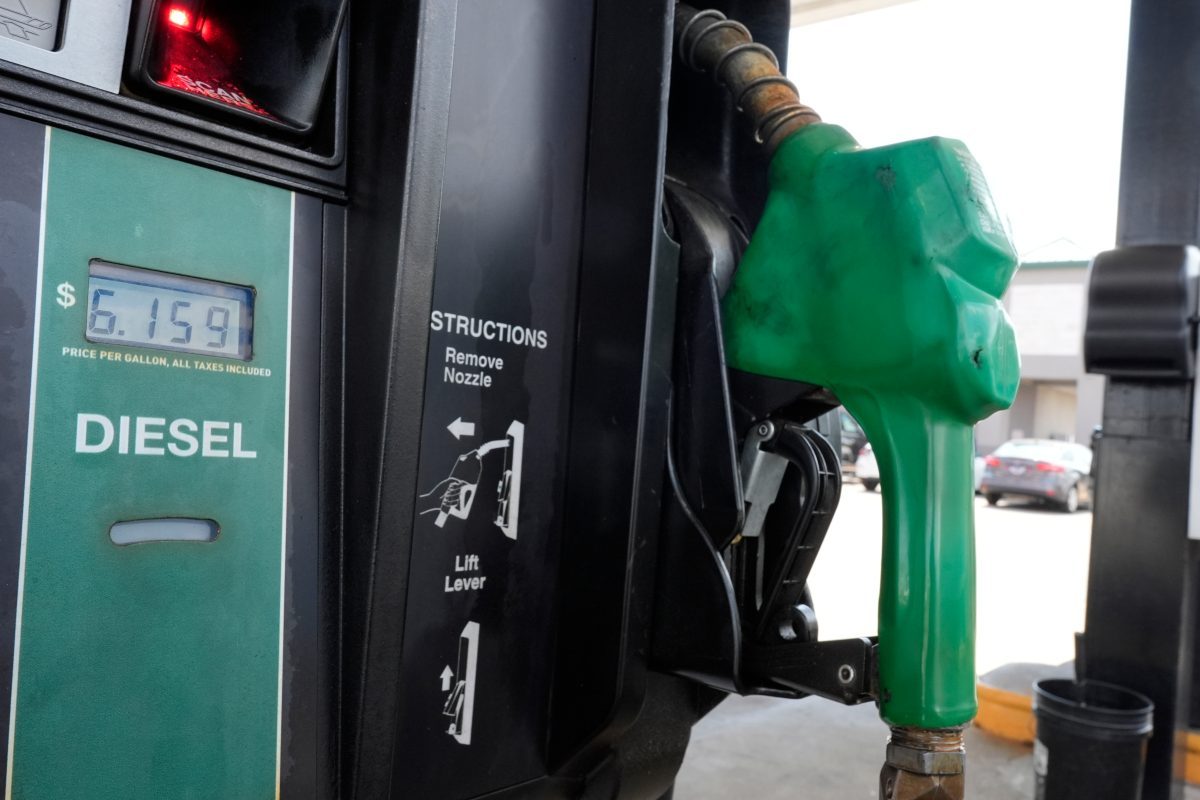
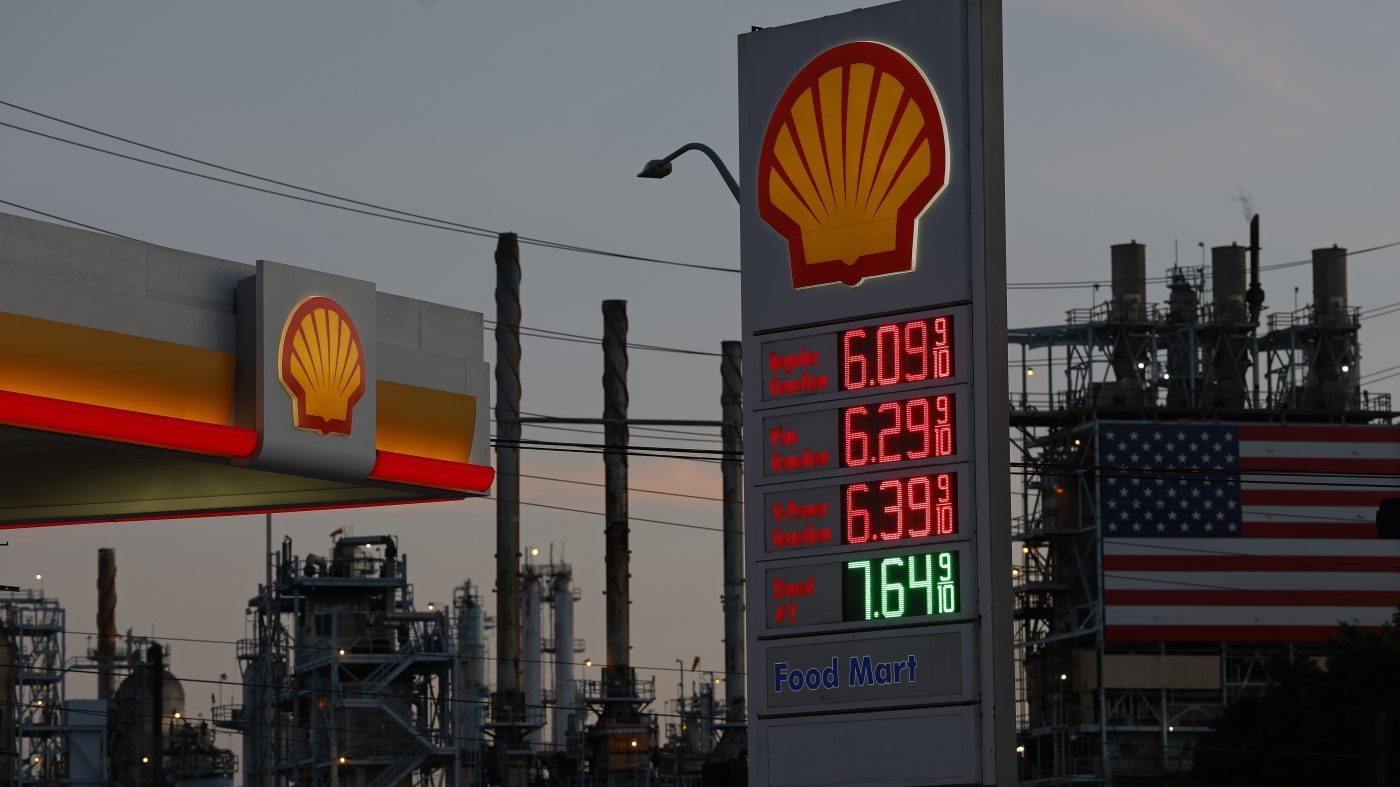
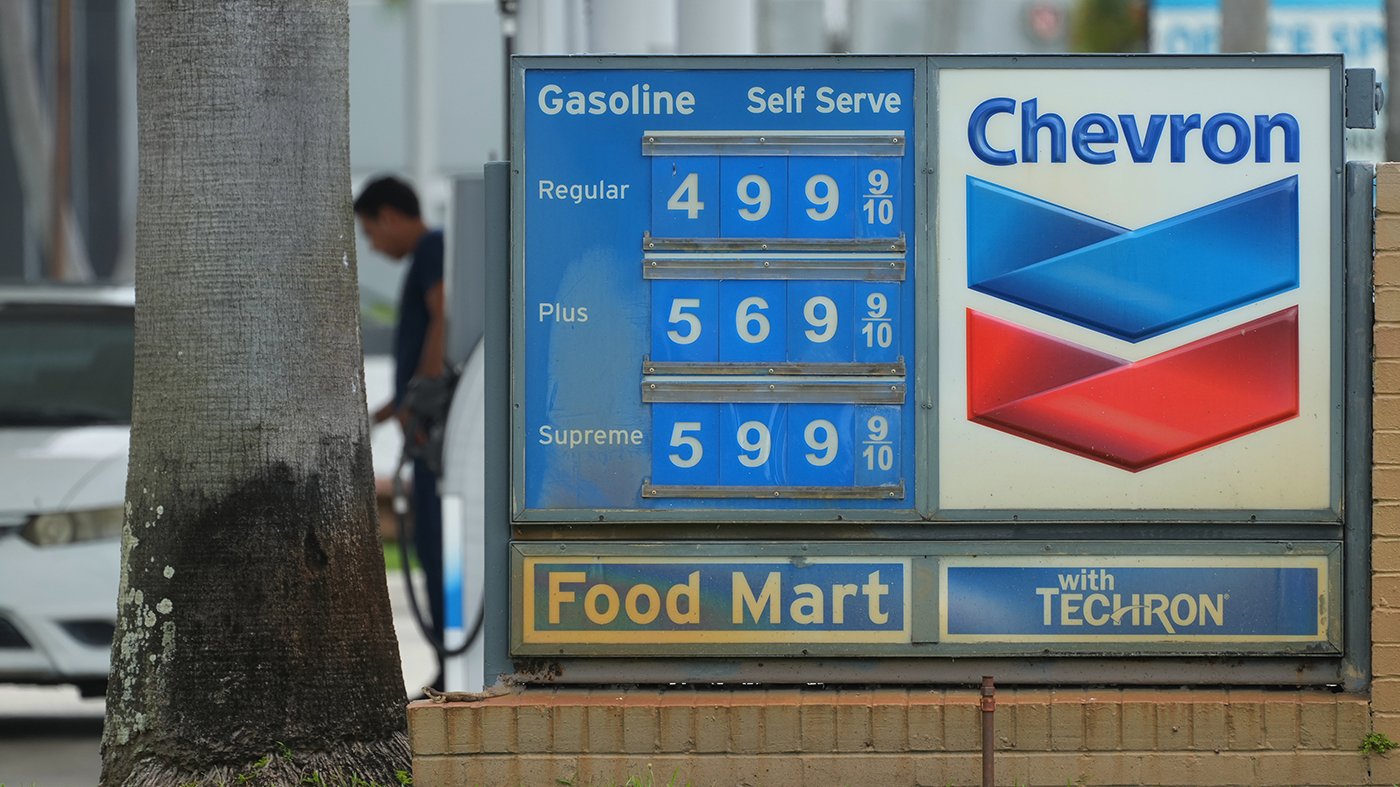
The conflict has already sent U.S. gasoline prices soaring. The national average reached $4.10 per gallon on Sunday, according to AAA—more than a dollar higher than when the war began on February 28. The Trump administration is reportedly considering reopening closed refineries, including the St. Croix facility in the Virgin Islands, which was designed to process Venezuelan crude. That refinery has been shut down since 2021 after the EPA ordered its closure over environmental and public health risks.
These developments come as the Federal Reserve holds rates steady amid inflation fears linked to the Iran war, and as the administration's energy price promises face mounting pressure. Wirth's remarks underscore the fragility of the current market, with gas and electricity costs surging despite earlier pledges to lower them.
As the conflict continues, the path to market equilibrium remains uncertain, with the potential for further disruptions to global supply chains and energy security.