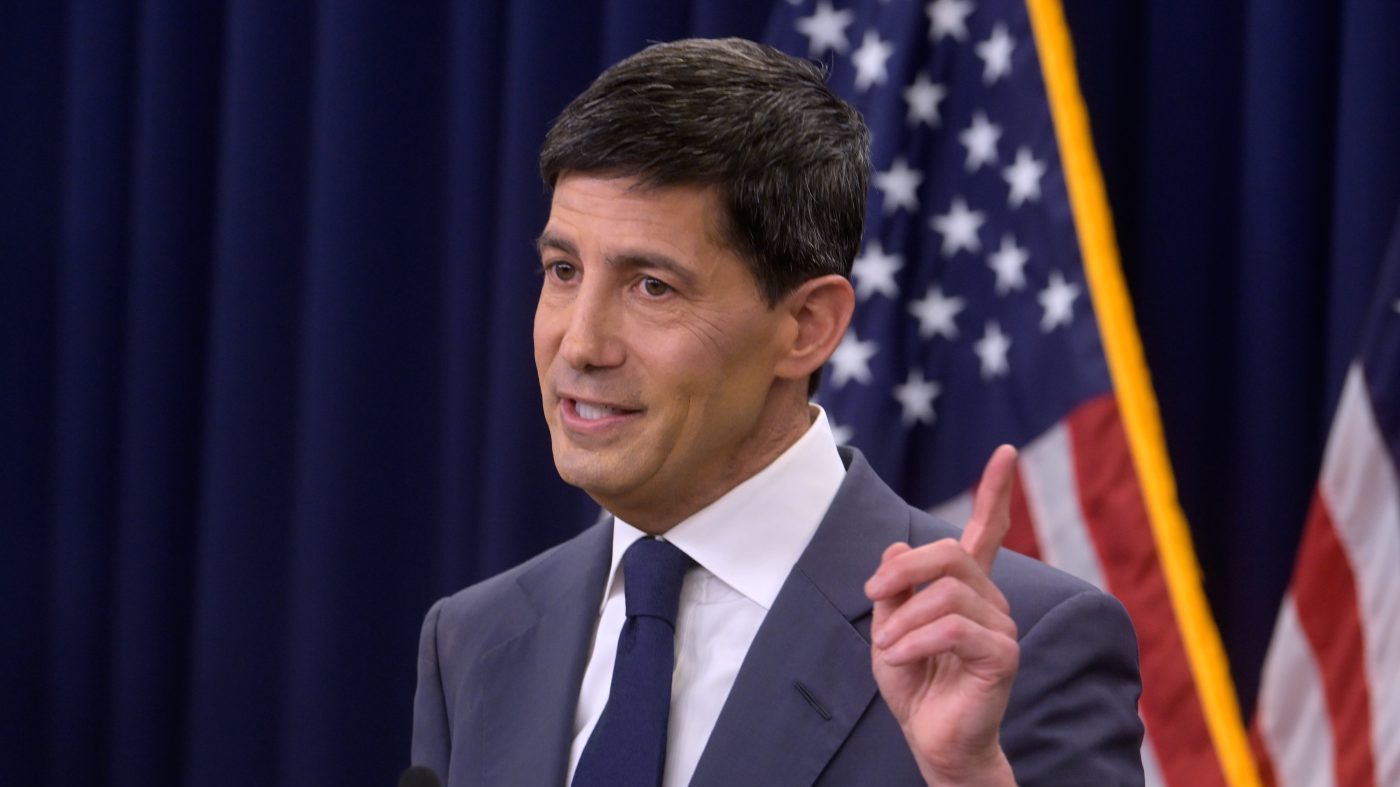
Federal Reserve Chair Kevin Warsh is set to address reporters Wednesday afternoon, following the central bank's unanimous decision to raise its benchmark interest rate by a quarter percentage point. The move lifts the federal funds rate to a target range of 3.75% to 4%, marking the first increase in over three years and the first time the rate has touched 4% in nearly a year.
The rate hike comes as the Fed seeks to tamp down inflation pressures exacerbated by the ongoing Iran war, which has disrupted energy markets and driven up costs across the economy. In a statement, the Federal Open Market Committee cited the need to "maintain price stability" amid supply-side shocks and elevated inflation expectations.
The decision puts Warsh on a collision course with President Trump, who has repeatedly called for lower rates to stimulate economic growth. The president's public pressure campaign has intensified in recent weeks, with Trump warning that the Fed's policies could undermine U.S. competitiveness. According to reports, Trump has even floated the possibility of halting trade negotiations over the Fed's stance, though White House economic adviser Larry Kudlow has downplayed those threats, saying the president's comments are "more bark than bite."
Warsh's relationship with Trump has been closely watched since his appointment, and today's action is likely to test that dynamic. Some analysts suggest the Fed chair may be trying to assert the central bank's independence in the face of political interference. "He's signaling that the Fed won't be bullied," said one former Fed official, speaking on condition of anonymity.
The rate increase is expected to have ripple effects across the economy, particularly in the housing market. Mortgage rates have already climbed to a 14-month peak as Treasury yields surge, and existing home sales have plunged to a 14-month low. Higher borrowing costs could further cool the housing sector, which has been a key driver of economic activity.
The Fed's decision also comes amid rising energy prices, with Costco hiking motor oil prices by nearly 100% and capping purchases as crude surges. These cost pressures are feeding into broader inflation, making the Fed's job more difficult.
Warsh's press conference, scheduled for 2:30 p.m. EDT, is expected to provide further insight into the Fed's thinking. Analysts will be listening for any hints about the pace of future rate increases and how the central bank plans to balance its inflation mandate with the political pressures from the White House.
The decision has also sparked debate among lawmakers, with some Democrats pushing for more aggressive action on inflation while others worry about the impact on working families. Meanwhile, the administration's focus on trade and tariffs remains a wildcard, as Hassett downplays Trump's threat to halt trade over Fed rates.
As the press conference gets underway, markets will be watching closely for any signs of discord between Warsh and the president. The Fed's credibility and independence are on the line, and the stakes for the economy could not be higher.