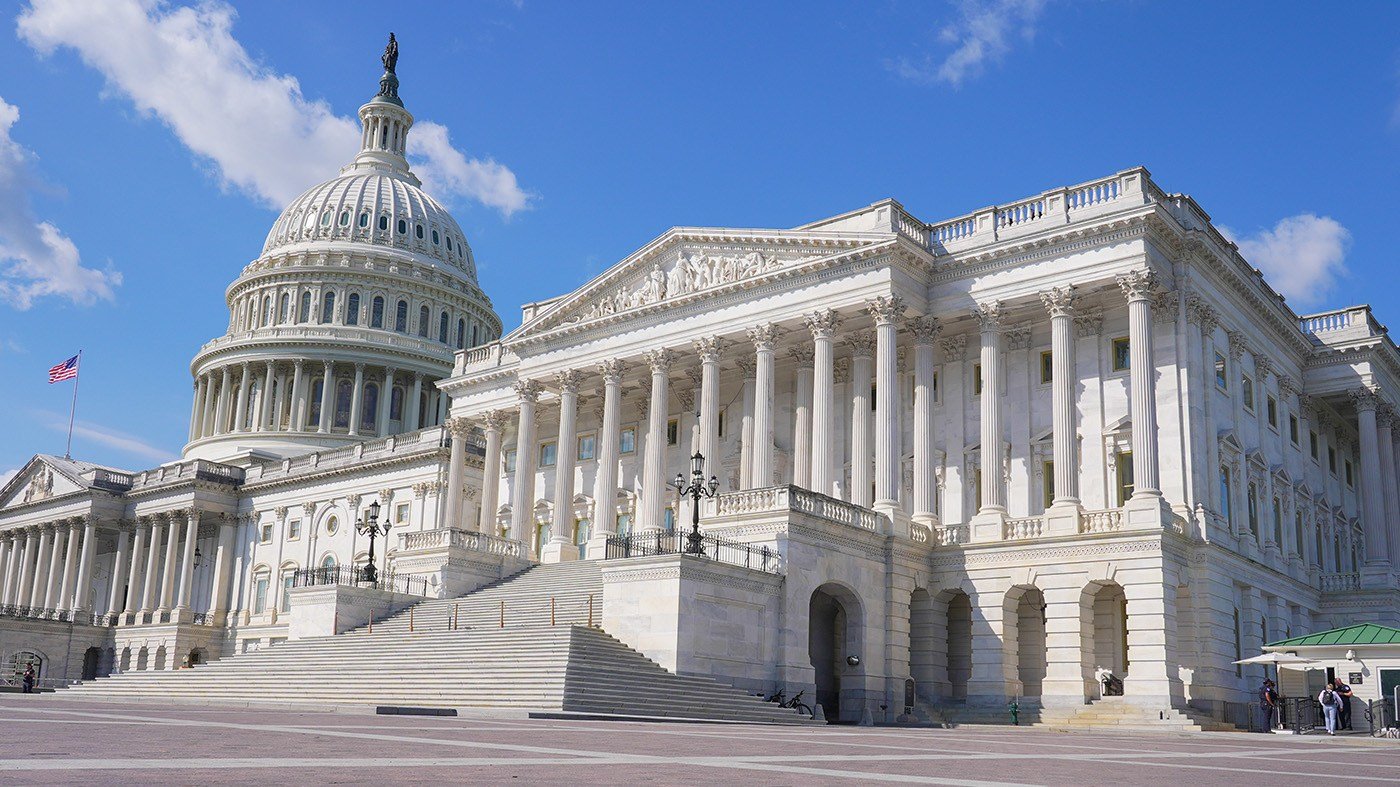
After a five-week summer recess, House Republicans returned to Washington and immediately signaled their legislative priorities: a non-binding resolution urging enactment of the SAVE America Act—a bill that has already passed the House once. The move, which came as lawmakers faced constituents back home grappling with rising costs, underscores the party's focus on election rules rather than kitchen-table issues.
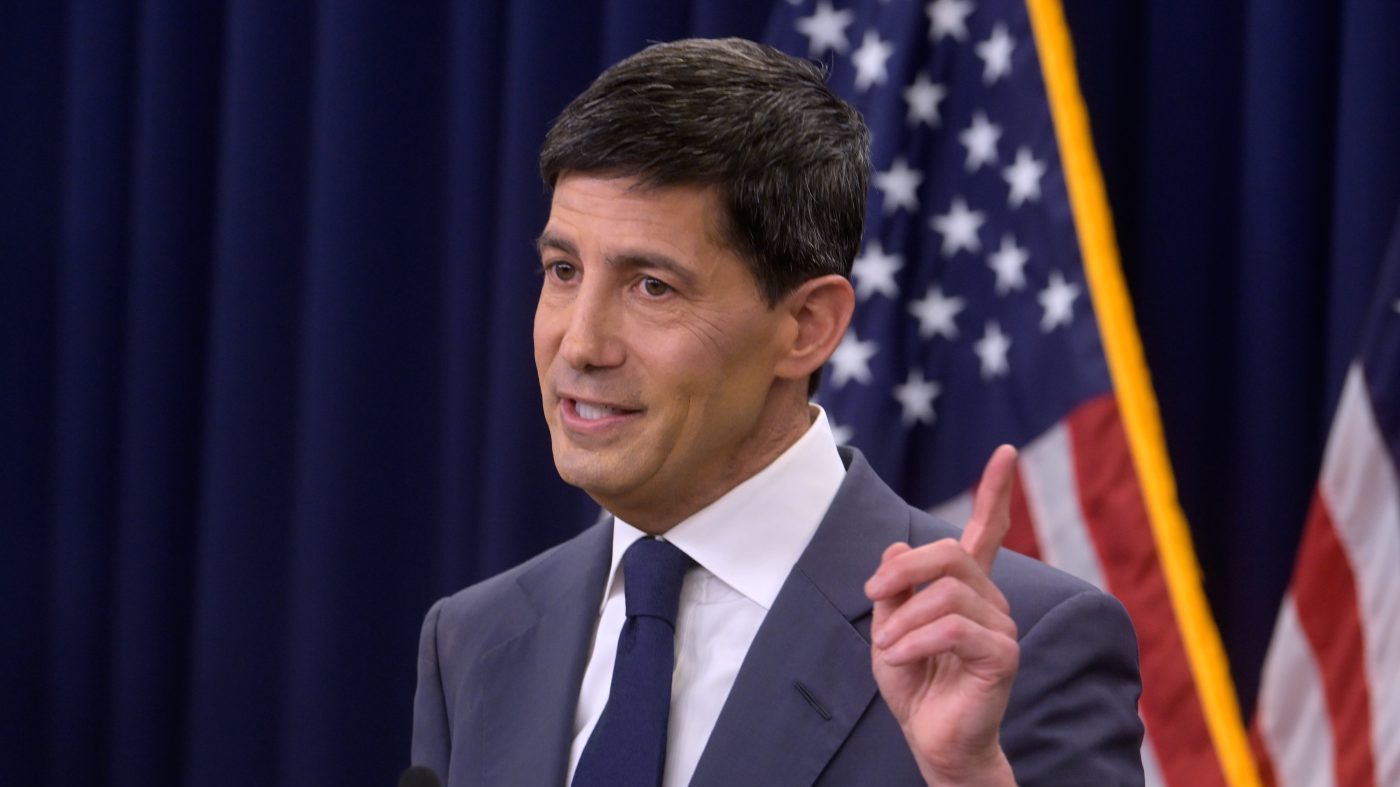
Democratic critics were quick to pounce. Rep. Joe Morelle (D-N.Y.), ranking member of the House Administration Committee, called the resolution "remarkably tone deaf" and an embarrassment. In a blistering statement, Morelle noted that Republicans "heard from families struggling with grocery bills, housing costs and everyday expenses" during the recess, yet chose to spend their first days back on a messaging vote rather than substantive policy.
What the SAVE America Act would do
The SAVE America Act is a sweeping elections bill that Democrats argue would erect new barriers to voting. Among its provisions, it would require proof of citizenship for voter registration, effectively ending same-day registration in many states. It would also restrict mail-in and online voting, and mandate that states share voter rolls with the Department of Homeland Security—a move critics say is an overreach that could lead to voter purges.
Morelle highlighted that the bill "would make it harder for married women and veterans to vote" because they often change their names or lack current citizenship documents. He also warned that it "would essentially gut mail and online voter registration" and force states to hand over voter data to the Trump administration.
Broader context: Trump's voting agenda
The resolution is part of a broader push by President Trump and his allies to tighten election laws. The administration has issued executive orders targeting mail-in voting, including an attempt to overhaul the U.S. Postal Service's handling of ballots—a move that was blocked by the Supreme Court. Courts have repeatedly rejected the administration's efforts, with the Department of Justice losing 23 consecutive cases related to voter roll demands.
Democrats argue that these actions are designed to suppress turnout among likely Democratic constituencies. "Instead of changing course or addressing the problems families are facing, they are making it harder for Americans to vote," Morelle said. He also pointed to the administration's defunding of the Cybersecurity and Infrastructure Security Agency, which had supported election officials against cyber threats.
Public sentiment and political stakes
The resolution comes as Republicans face a brutal midterm hangover. A recent poll put congressional approval at just 15%, a figure Morelle noted with sarcasm: "Some might understandably think that number is low. After watching exercises like this, I am surprised it's that high."
Morelle argued that the symbolic vote does nothing to address inflation, housing costs, or accountability for the administration. "Would this symbolic resolution do anything to lower gas prices? Would this messaging bill make groceries cheaper? Would it do anything to hold the crooks in the White House accountable? The answer is simple: it would not."
Democratic response and path forward
House Democrats have vowed to resist the SAVE America Act and similar measures. They point to the success of state and local election administrators, who run elections independent of the White House, and to court rulings that have upheld voting rights. "Every eligible American must have a meaningful opportunity to cast a ballot, and those ballots must be counted fairly and accurately," Morelle said.
As the midterm campaign season intensifies, the fight over voting access is likely to remain a central battleground. But for now, Republicans' first legislative gesture after recess has drawn sharp criticism—and done little to reassure voters that Congress is focused on their priorities.