President Trump's second-term promise to slash energy prices is falling flat, with both gasoline and electricity costs climbing well above levels from two years ago. The trend undercuts a central pillar of his 2024 campaign and is fueling voter anxiety ahead of the midterms.
On the trail, Trump vowed to cut electricity bills by 50 percent within 12 to 18 months. But through the first five months of 2026, average household electricity prices are running about 12 percent higher than the same stretch in 2024, far outpacing inflation, according to federal data.
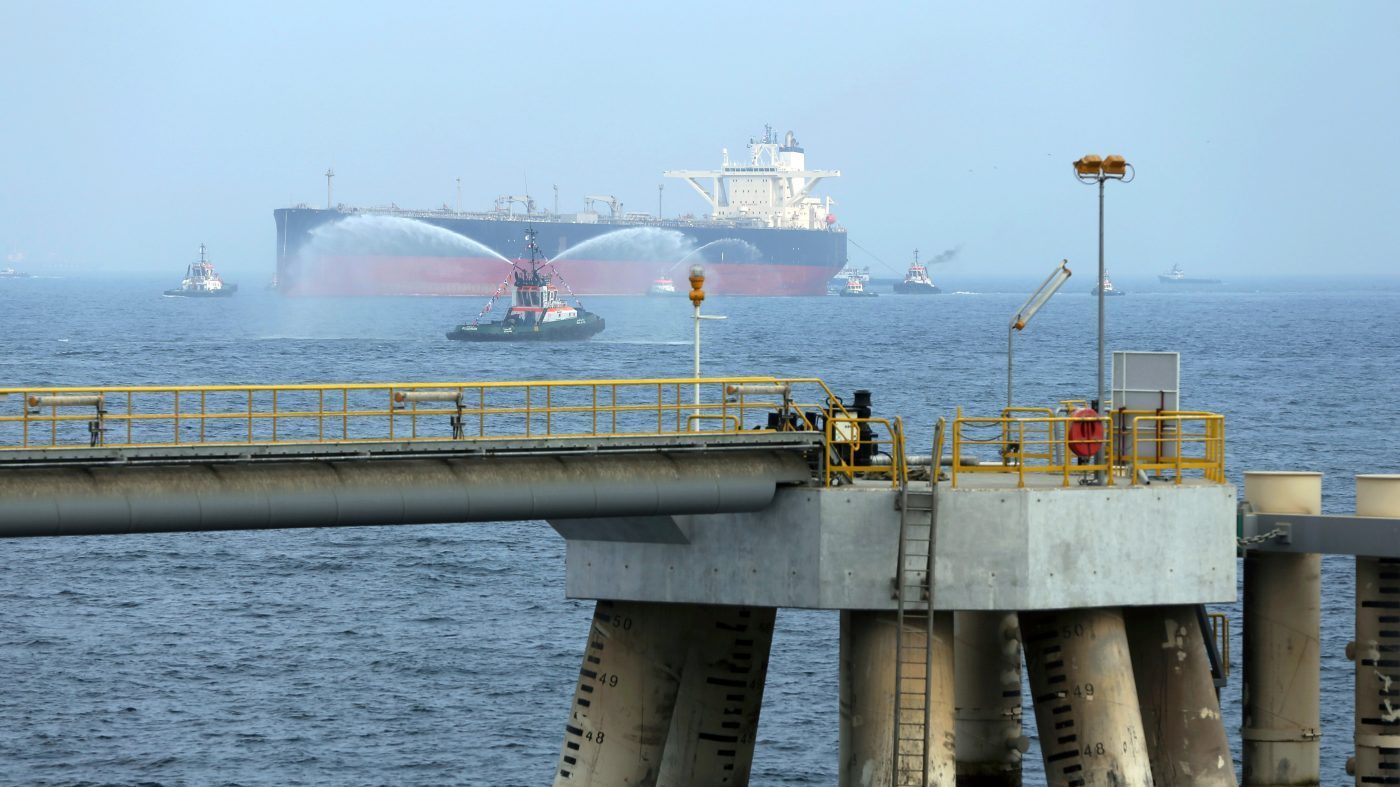
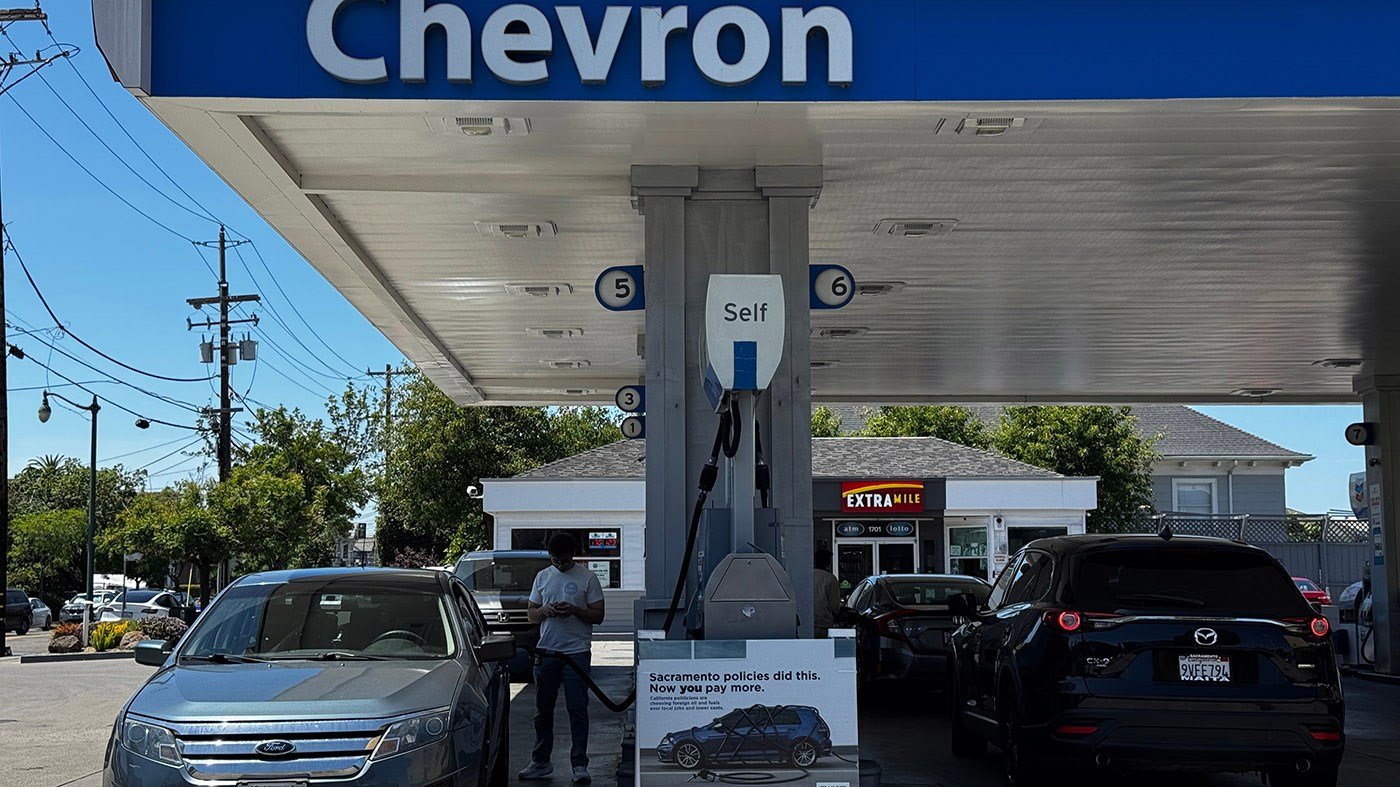
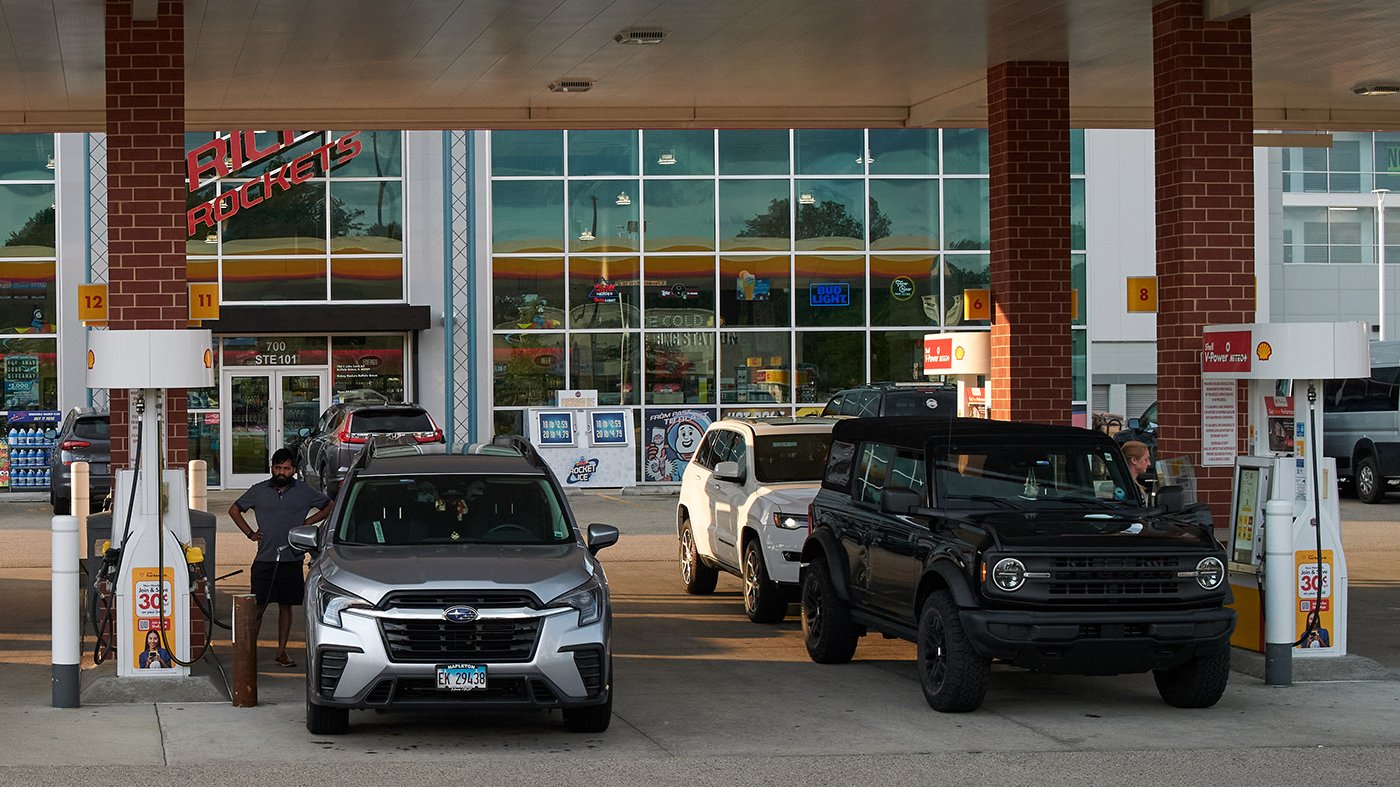
Gasoline prices tell a similar story. At $4.11 per gallon on Friday, according to AAA, a gallon of regular is roughly 60 cents more expensive than at this time in 2024. The spike stems largely from the ongoing U.S. military campaign against Iran, which has disrupted shipping through the Strait of Hormuz and the Bab-el-Mandeb Strait, key arteries for global oil supply.
“It’s a direct result of the war,” said Mark Wolfe, executive director of the National Energy Assistance Directors Association. “It’s pushing up prices and creating this instability in the market.” Wolfe estimated that if oil stays at $100 per barrel for a year, a typical family could spend an extra $800 annually on gasoline alone. Higher fuel costs ripple through the economy, he noted, driving up food prices and heating bills.
The White House disputes that the conflict is to blame for sustained price increases. Spokeswoman Taylor Rogers accused Iran of violating a ceasefire and argued that once the U.S. neutralizes Iran’s ability to attack commercial vessels, “oil and gas prices will plummet back to pre-conflict levels.” She reiterated Trump’s commitment to “unleashing American energy dominance” and cutting costs for families.
Electricity price dynamics are more complex. Thomas Rowlands-Rees, head of Global Power Markets Analysis at BloombergNEF, said the increases reflect long-deferred investments in grid modernization. “We’re getting to a point where the bill is coming,” he said, adding that federal policy operates on “a timescale of years and decades” and that no administration could have cut prices in half within 18 months. He warned that Trump’s push to expand liquefied natural gas exports could actually drive up domestic natural gas prices in the next few years by boosting demand faster than supply grows.
Wolfe also criticized the administration for erecting barriers to renewable energy, which he said “provides stable pricing.” He noted that while electricity costs have been rising faster than inflation for years, clean energy could offer a hedge against future volatility.
Political strategists see the energy price squeeze as a vulnerability for Republicans. “It’s a problem for any incumbent,” said GOP strategist Keith Naughton, who also contributes to The Hill. “Anything that’s raising prices is going to be a challenge for whoever’s in office.” The issue could deepen rifts within the party, as Senate leaders like John Thune navigate pressure from Trump while trying to maintain GOP unity on other fronts.
With midterm elections approaching, rising energy costs threaten to erode the economic argument that has been central to Trump’s political brand. Whether the White House can deliver on its promise of a price rebound remains uncertain, especially as the conflict with Iran shows no signs of a quick resolution.