Oil markets snapped back into high gear Wednesday, with Brent crude crossing the $100 threshold for the first time since late July. The surge came as fresh exchanges between Washington and Tehran amplified concerns about the security of global energy arteries, just weeks before voters head to the polls.
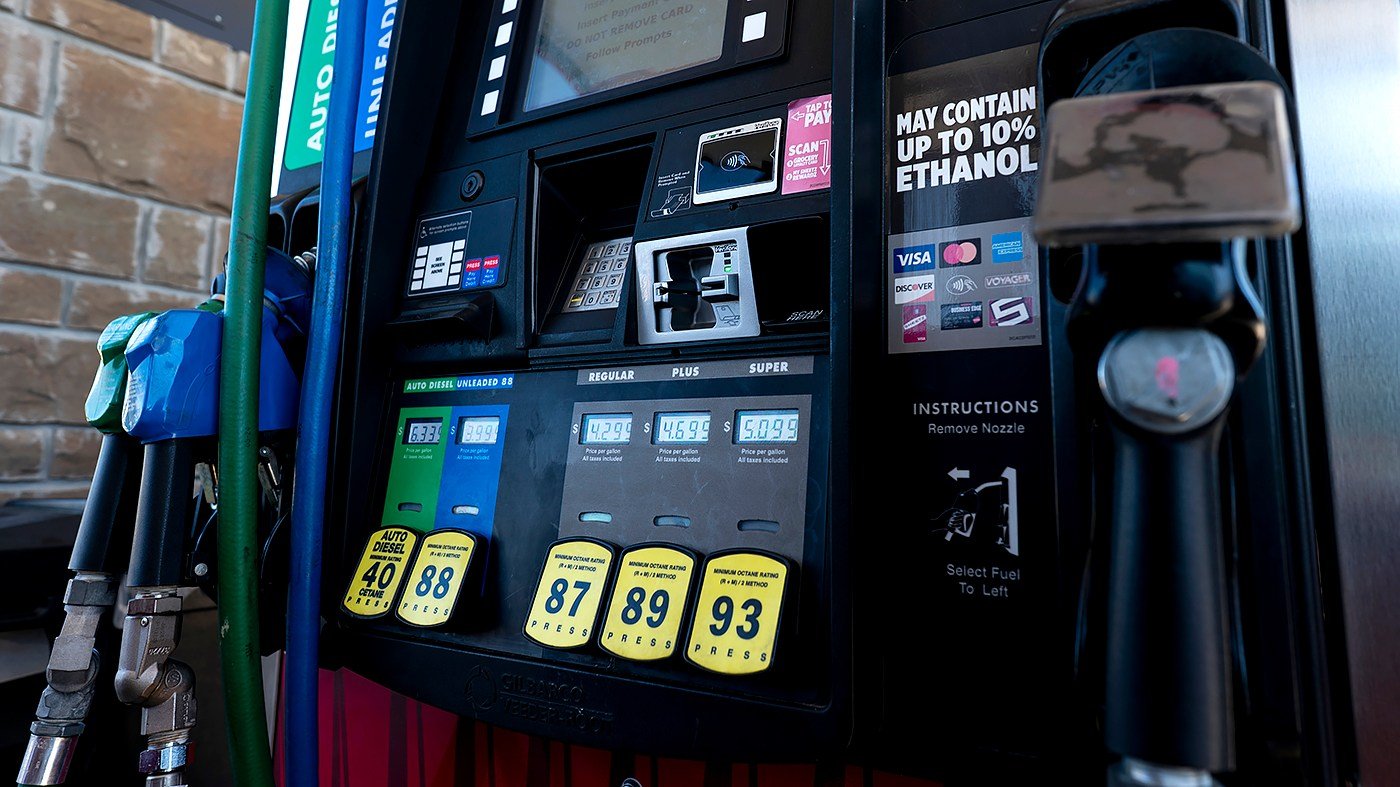
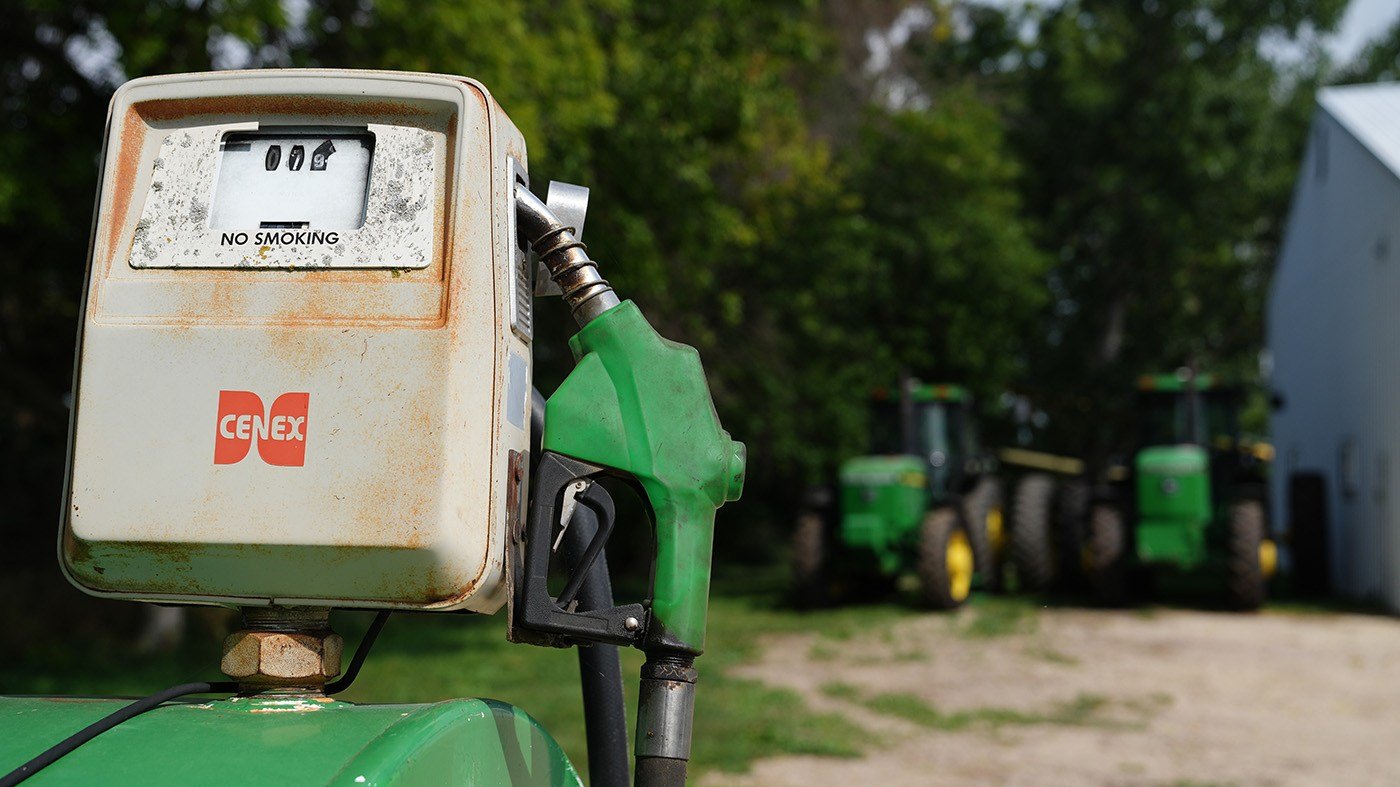
Brent, the international benchmark, jumped nearly 3% to $100.72 a barrel in early trading. U.S. crude followed suit, climbing 2.4% to $95.25. At the pump, the national average for a gallon of regular gas ticked up to $4.22, according to AAA—a 7-cent jump overnight and more than a dollar above year-ago levels. Diesel prices, already at record highs over the weekend, continued their upward march.
Escalation in the Strait of Hormuz
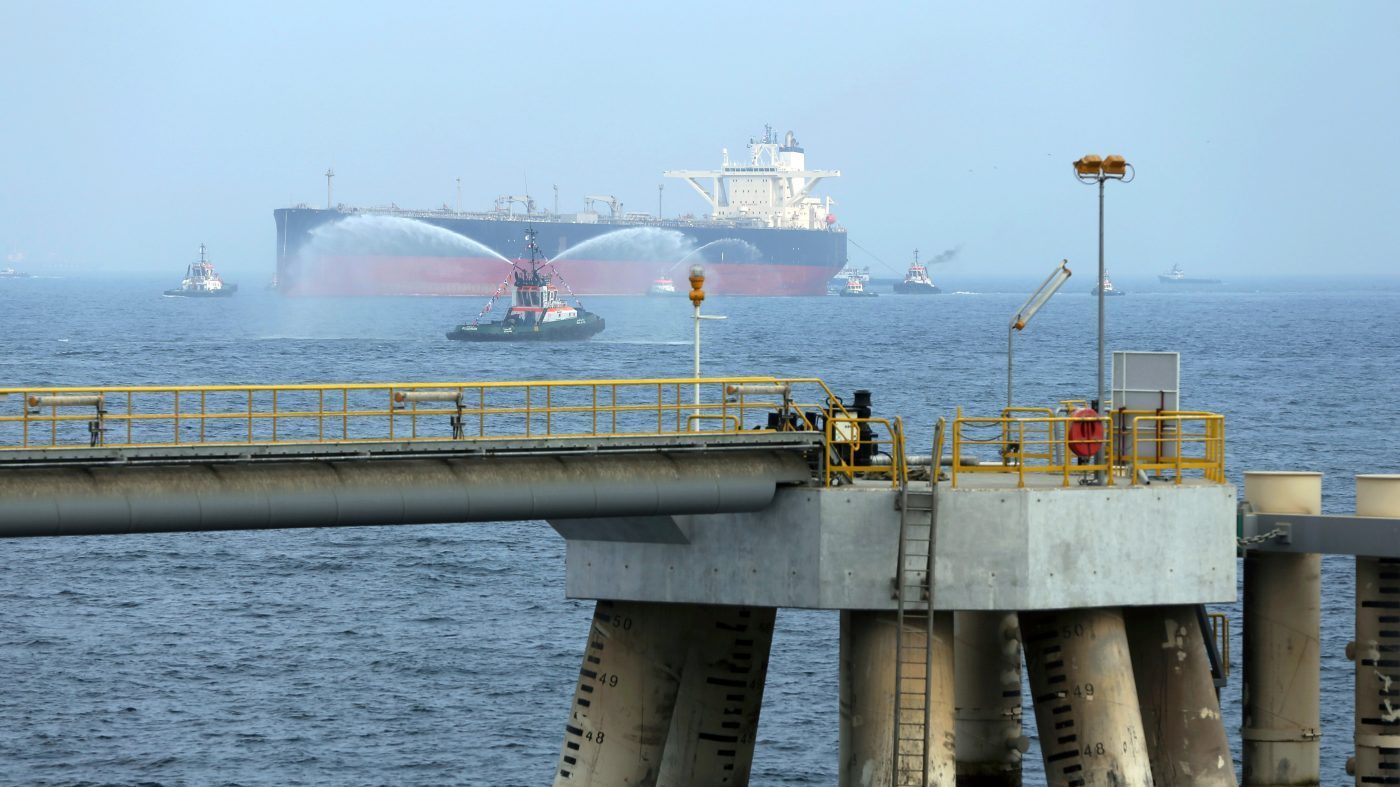
The price spike was triggered by another round of tit-for-tat attacks. The U.S. military said it struck five Iranian oil tankers on Tuesday, drawing a swift response from Tehran, which claimed it hit ten vessels and a U.S. base in Jordan in retaliation. These exchanges mark the latest chapter in a conflict that has already severely curtailed oil shipments from the region since the six-month war began.
Traffic through the Strait of Hormuz—a chokepoint that once carried about 20% of global energy supplies—remains far below normal levels. The ongoing fighting has left the strait's navigability in doubt, and analysts warn that the latest price action reflects a market bracing for prolonged supply losses.
Market Signals and Expert Views
“Oil investors are expressing their view about the impact of the latest bout of escalation in the Middle East in an unambiguous way,” said Tamas Varga, an oil broker at PVM, in comments to Reuters. “They are voting with their dollar, and this vote strongly indicates that unless the Strait of Hormuz re-opens, and oil starts flowing again uninterruptedly, supply will not be aligned with demand in the foreseeable future.”
The spike underscores how fragile global energy balances have become. With the strait effectively impaired, even the prospect of prices eventually falling after the conflict ends seems distant to many traders. Meanwhile, the record fuel costs are straining consumers and businesses alike, adding fresh urgency to the political debate over energy policy.
Political Fallout Ahead of Midterms
The run-up in energy prices lands at a politically sensitive moment. Republicans, seeking to maintain their narrow majorities in the House and Senate, are sharpening their economic messaging around inflation and the cost of living. Gasoline above $4 a gallon has become a potent symbol for voters, and the White House faces renewed pressure to respond.
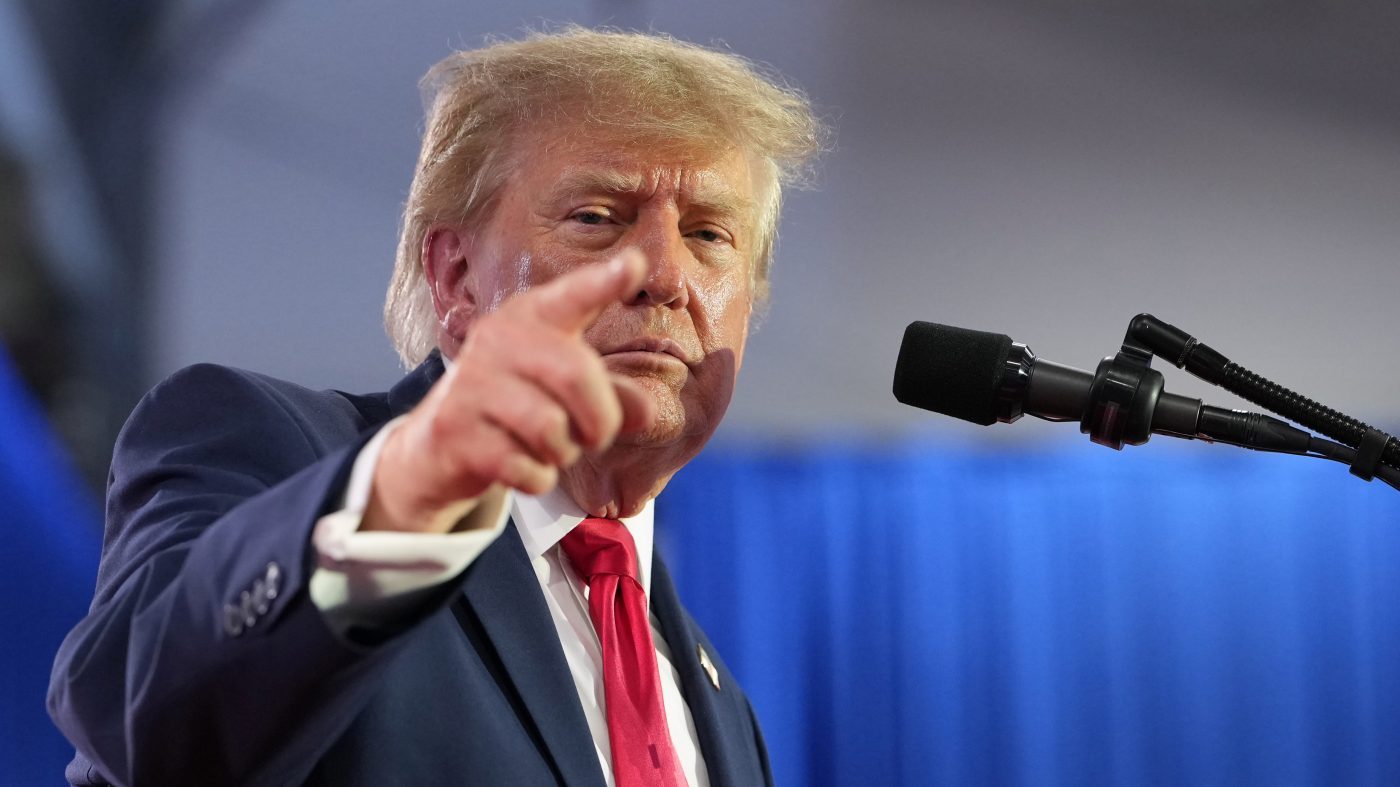
President Trump has signaled he will press refiners on pump prices in the coming days, though options to cool the market are limited. The administration has already tapped strategic reserves and engaged in diplomatic efforts, but the conflict's trajectory remains unpredictable.
Analysts note that the current crisis is not just about barrels but about the reliability of supply chains. “The market is pricing in a real risk of sustained disruption,” said one energy strategist. “Until there is a clear de-escalation, volatility is likely to remain the norm.”
For now, the latest attacks on U.S. bases and the U.S. strikes on Iranian forces suggest that both sides are digging in. With midterms looming, the economic and political stakes of this standoff are only set to rise.